
Vandaag of morgen in huis

Kwaliteit gegarandeerd

Welkomstaanbiedingen ontgrendelen: GRATIS bezorging | Tot 80% korting | Gratis 30 dagen JoyPlus-proefperiode
Download de app
Asian drinks are available in the Netherlands in many varieties, from Chinese and Korean drinks to tropical fruit drinks, iced tea and fizzy drinks. There is plenty of choice, but the packaging does not always tell the whole story. For example, a prominent fruit flavour does not necessarily mean that the drink contains much fruit juice.
Comparing products carefully helps you avoid a disappointing purchase. Pay particular attention to these three pitfalls:
Do not just look at the name on the front. The ingredients list shows whether you are choosing fruit juice, juice from concentrate, fruit pulp or mainly a flavoured soft drink.
Examples:
A higher fruit percentage does not automatically mean that a drink contains less sugar. Therefore, always check both details.
Nutritional values are usually listed per 100 ml. Convert this to the full bottle or can for a meaningful comparison.
Remember that “zero fat” or “fat-free” only refers to fat, not sugar or energy. For everyday use, a smaller can or a 250 ml bottle may be more convenient than a larger format.
Ready-to-drink beverages are easy to take to work, school, a picnic or a meal. However, packaging formats vary considerably:
Always check the best-before date on the packaging. Store unopened products according to the label, generally in a cool, dry place away from direct sunlight. Opened drinks often need to be refrigerated and consumed within the stated period.
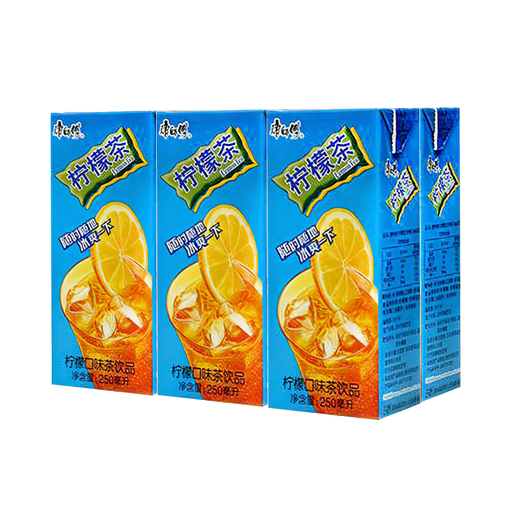
Why it suits this profile: Six 250 ml portions are an easy way to get acquainted with Chinese iced tea, whether at home or on the go.
The product information lists black tea and 0.2 g/l concentrated lemon juice, allowing you to compare your flavour expectations with the ingredients list.
250 ml per carton, ready to drink and 38 kcal per 100 ml according to the product details.
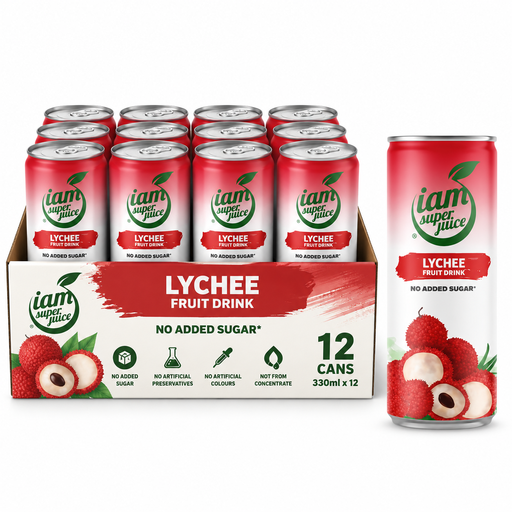
Why it suits this profile: A 12-pack of 330 ml cans is ideal if you want a regular supply of lychee drink at home or with meals.
The product description states 30% lychee juice and “no added sugar”. Check the current packaging for the full nutrition table.
30% lychee juice according to the product information, 12 cans and a 330 ml serving.
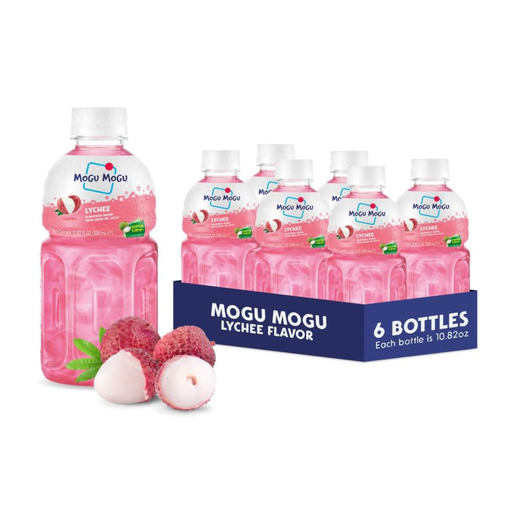
Why it suits this profile: Ideal for fans of a sweet lychee drink with added texture, for example at parties, during film nights or when sharing with guests.
The product details explicitly state that it contains 25% nata de coco. You are therefore choosing a drink with coconut jelly rather than smooth fruit juice.
320 ml per bottle, six per pack and 50 kcal per 100 ml according to the stated nutritional values.
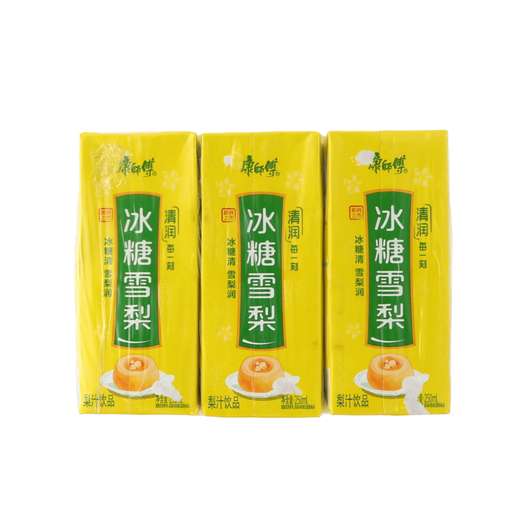
Why it suits this profile: A mild pear drink in small packs for anyone who wants to try Chinese flavours without buying a large supply.
The product details state 11% pear juice and 0.5% rock sugar. This allows you to compare the fruit content with other Asian drinks.
Six 250 ml bottles, 45 kcal per 100 ml and ready to drink according to the product information.
We have put together a complete, up-to-date list of products that fully meet these strict selection criteria and the applicable European safety regulations.
Choose a small multipack with 250 to 320 ml servings. This allows you to try lemon tea, winter melon tea, lychee drink or nata de coco drink without immediately buying a large box. Then compare the flavour, sugar content and fruit percentage.
Usually, yes. Always follow the label. The product information for various ready-to-drink beverages states that an opened pack should be refrigerated and consumed within a short period. Unopened products should generally be stored in a cool, dry place away from direct sunlight.
That depends on the price per litre, the format and how much you actually use. Divide the total price by the number of millilitres and also check the best-before date. A multipack of drinks is practical for a household, office or gathering, while individual bottles are more convenient for comparing new flavours such as mango drink, hawthorn drink or soya drink.
