
Vandaag of morgen in huis

Kwaliteit gegarandeerd

Welkomstaanbiedingen ontgrendelen: GRATIS bezorging | Tot 80% korting | Gratis 30 dagen JoyPlus-proefperiode
Download de app
Curious about the world of Asian drinks? Maybe you've spotted a brightly coloured can in a K-drama or stumbled upon a unique flavour on social media. The shelves, both online and in-store, are brimming with options. But how can you be sure you're buying something you'll love, and not just a disappointment in a pretty package?
Many shoppers fall into a few common pitfalls. It's a waste of money if your choice doesn't live up to expectations. Let's look at the most frequent mistakes so you can avoid them.
By knowing what to look for, you can feel more confident buying specialty sodas and enjoy some truly unique soft drinks.
Before you place a can or bottle in your basket, it's wise to check a few details. This will help you separate marketing hype from reality.
The foundation of a good fruit-flavoured drink is... fruit. Check the ingredients list for terms like fruit purée, fruit juice from concentrate, or pulp. These indicate that real fruit has been used in the product. If the list only mentions "flavourings," there's a high chance the taste is entirely artificial. Also, pay attention to the sweeteners. Some drinks use sugar or fructose syrup, while others opt for alternatives like stevia or sucralose.
Asian beverages are renowned for their surprising textures. This is a key part of the experience.
Check the product description to see if a special texture is mentioned. That way, you'll know exactly what to expect.
Not every Asian drink is a sweet soda. The range is diverse:
By identifying the type, you can better match your choice to your current craving.
To help you get started, we've highlighted a few popular choices that suit different preferences.
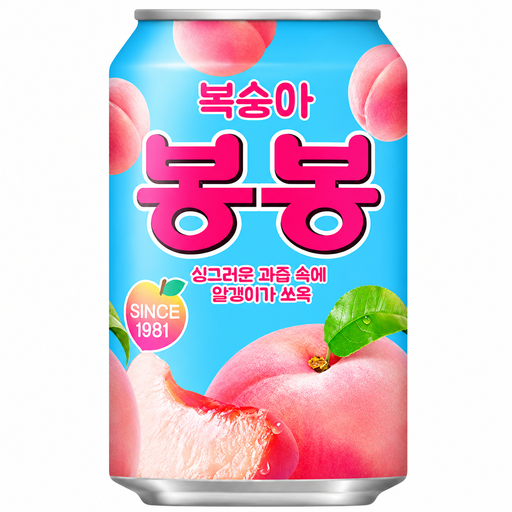
Why This Fits Their Persona: This is the iconic Korean drink you often see on social media and in TV series. The combination of sweet peach flavour and real fruit pulp makes it a unique experience, perfect for anyone wanting to try something new and Instagram-worthy.
This drink is transparent about its texture. The name and description highlight the presence of peach pulp (5%), so you know you're getting a drink with pieces. No surprises.
The combination of juice and real fruit pulp creates a rich, satisfying texture you won't find in standard soft drinks. It's refreshing and sweet without tasting artificial.
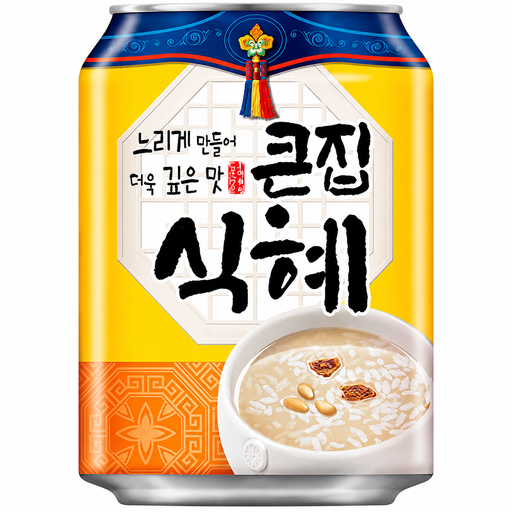
Why This Fits Their Persona: For those looking to explore beyond fruit flavours, Sikhye is a perfect choice. This is a traditional Korean rice drink made from barley malt and glutinous rice. The taste is unique: lightly sweet with a hint of ginger and a soft texture from the rice kernels.
This isn't a generic product with an Asian label. Sikhye is an authentic Korean beverage. The name "Sweet Rice Drink" and the ingredients list (barley malt extract, glutinous rice) immediately clarify that this is a unique, traditional drink.
Offers an authentic taste experience that is far removed from Western soft drinks. It's refreshing and is often consumed after a meal in Korea to aid digestion.
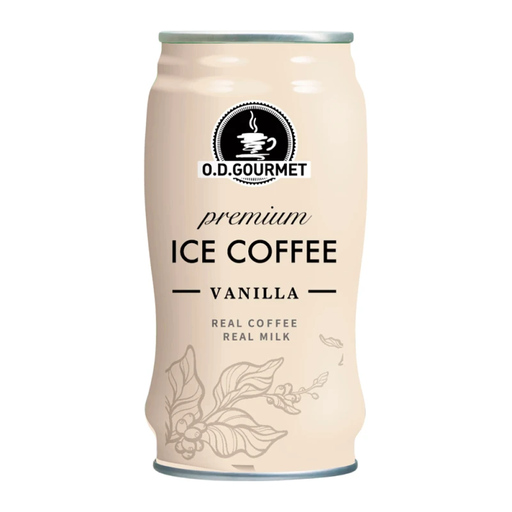
Why This Fits Their Persona: Ideal for those who love a good iced coffee but don't have the time or inclination to make it themselves. This ready-to-drink iced coffee in a can is easy to take on the go and offers a smooth, balanced coffee flavour with a subtle hint of vanilla.
This isn't a weak, watery "coffee drink." The ingredients list clearly states coffee extract (7.0%) and coffee powder (0.95%). The caffeine content (36 mg / 100 ml) is also specified, confirming its quality and potency.
Delivers the convenience of a ready-to-drink product without compromising on taste. The touch of vanilla gives it a more premium feel than standard supermarket versions. Perfect when chilled for on-the-go enjoyment.
We have compiled a complete, real-time list of products that fully satisfy these strict selection criteria and UK safety regulations.
While there is a lot of overlap, there are some general differences. Japanese soda often focuses on light, refined, and sometimes unique flavours like yuzu, sakura (cherry blossom), or melon, with an emphasis on fizzy drinks. Korean drinks cover a broader spectrum, from very sweet fruit juices and creamy milk drinks (like Milkis) to traditional, less sweet options such as barley tea and rice drinks.
Like most other beverages, it's best to store an opened bottle or can in the refrigerator. Try to consume it within 24 to 48 hours to preserve the flavour and any carbonation. For canned drinks, it's best to pour the remainder into a sealable bottle if you don't finish it in one go.
It really depends on the type of drink. Many popular fruit drinks and sodas are indeed quite sweet, comparable to Western soft drinks. However, there are also many less sweet options available, such as unsweetened teas, light 'ades', or traditional beverages. Checking the amount of sugar on the nutritional label (under 'Carbohydrates, of which sugars') will give you a good indication.
