
Vandaag of morgen in huis

Kwaliteit gegarandeerd

Welkomstaanbiedingen ontgrendelen: GRATIS bezorging | Tot 80% korting | Gratis 30 dagen JoyPlus-proefperiode
Download de app
Asian drinks are becoming increasingly easy to find online in the Netherlands. From Japanese fizzy drinks and Ramune to Chinese tea, oolong tea and fruit drinks, there is plenty of choice. That can make comparing products difficult. An eye-catching label or familiar brand name does not always tell you enough about the flavour, sugar content, volume or ease of use.
If you order without doing your research, you are most likely to encounter three pitfalls:
Always compare products per 100 ml. A 350 ml bottle contains more drink than a 200 or 250 ml can, so the total amount of sugar and energy may be higher, even if the values per 100 ml are similar.
For example:
A lower sugar content does not automatically mean the flavour will suit you better. Sweeteners, acids and flavourings all affect the taste experience. So check the full ingredients list, especially when buying an Asian fizzy drink or squash.
For fruit drinks, the difference between fruit juice, concentrate and flavouring is important. According to the product information, FOCO Mango Passion Fruit Drink contains 10% mango juice and 5% passion fruit juice. Senpure Meco Orange Mocha Jasmine Juice Tea Drink lists 5% orange juice, 4.7% apple juice from concentrate and 0.3% jasmine tea.
For tea products, you can look at the type of tea:
Also look out for terms such as “tea extract”, “instant tea” or a specific added percentage. According to the product information, for example, Naïsnow Green Grape Scented Oolong Tea contains oolong tea added at a quantity of at least 4 grams per litre and at least 9% fruit juice, calculated as original juice.
A 6-pack of 250 ml contains 1.5 litres in total. This size is practical for lunch, at home or when serving with a meal. Individual 350 ml bottles are more convenient when you are out and about, while a box of 24 or 30 is mainly suitable for heavy use or a shared stockpile.
Before ordering, check:
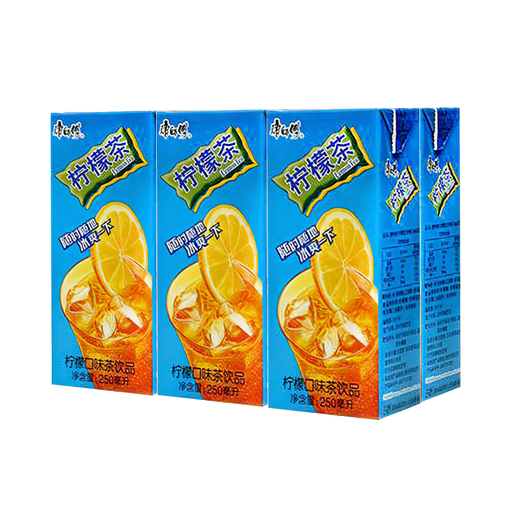
Why it suits this profile: The six 250 ml portions offer a manageable introduction to Chinese iced tea without requiring you to buy a large box straight away.
The product information lists a total volume of 1.5 litres and 9.5 grams of sugar per 100 ml, so you can compare the packaging and nutritional value in advance.
Black tea with lemon juice concentrate; ready to drink and, according to the product information, best served chilled.
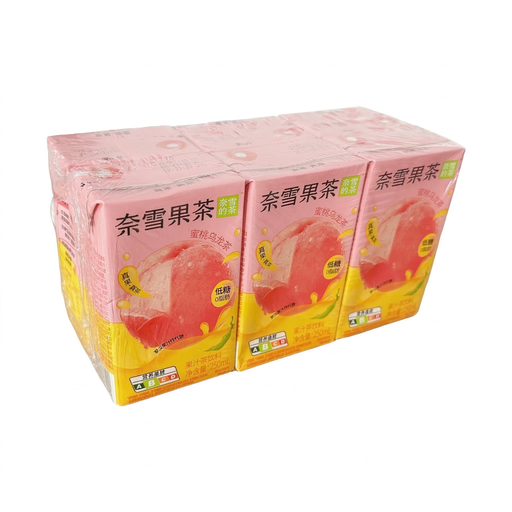
Why it suits this profile: This combination is ideal if you are looking for a fruity ready-to-drink beverage with a distinct tea profile.
The product description states a minimum of 10% fruit juice and lists 4.8 grams of sugar per 100 ml, making the fruit and sugar profile easy to verify.
Baiya Qilan oolong tea; combined with concentrated peach and apple juice; six 250 ml bottles.
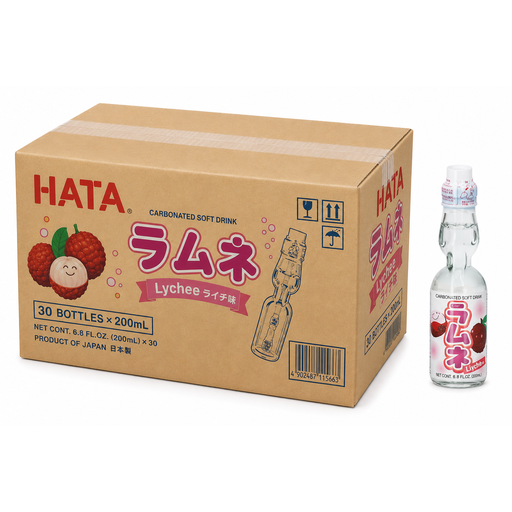
Why it suits this profile: The box of 30 small bottles is well suited to events, hospitality-style presentations or fans of Japanese fizzy drinks.
The fixed format of 30 x 200 ml makes the total stock clear. The product information lists 9.4 grams of sugar per 100 ml and recommends refrigerated storage after opening.
Lychee flavour; carbonated; distinctive Ramune bottle with a glass marble stopper.
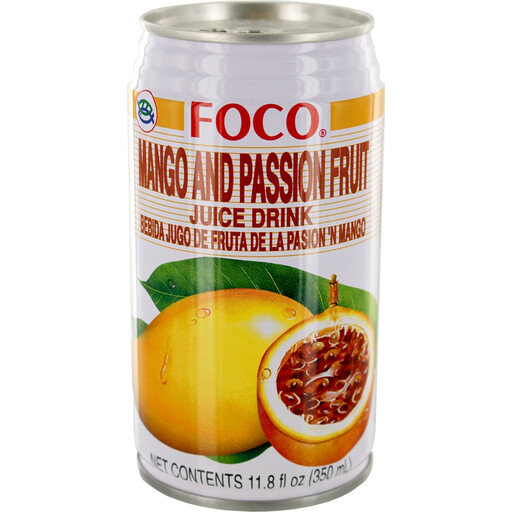
Why it suits this profile: The 350 ml bottle is a practical serving for when you are out and about, with lunch or alongside an Asian meal.
The product information specifies 10% mango juice and 5% passion fruit juice. It also lists 42 kcal and 9.8 grams of sugar per 100 ml.
Mango and passion fruit combination; 350 ml per bottle; according to the product information, free from artificial colourings and preservatives.
We have put together a complete, up-to-date list of products that fully meet these strict selection criteria and the applicable European safety regulations.
Choose a small pack, such as 200 or 250 ml, or a 6-pack. This lets you compare several flavours without immediately ordering 24 or 30 bottles. A 200 ml Ramune is suitable for trying on its own; a 6-pack of Chinese tea is more practical if you want to share the flavour with others.
Ramune is a Japanese carbonated soft drink, often recognised by its bottle with a glass marble stopper. The flavour can be fruity and sweet-and-sour, such as lychee. When buying, check the closure, ingredients and nutritional information. The packaging makes the product distinctive, but on its own it says nothing about the sugar content.
Always follow the date and storage instructions on the packaging. Unopened drinks should generally be stored in a cool, dry place away from direct sunlight. After opening, the advice varies by product: some should be consumed immediately, while others can be kept refrigerated for a short time. Check the label before opening a multipack or spreading it across several occasions.
