
Vandaag of morgen in huis

Kwaliteit gegarandeerd

Welkomstaanbiedingen ontgrendelen: GRATIS bezorging | Tot 80% korting | Gratis 30 dagen JoyPlus-proefperiode
Download de app
When you buy Asian drinks online, you’ll quickly come across terms like “100% pure”, “no sugar” and “naturally refreshing”. These claims sound clear enough, but they don’t always tell the full story. The real difference often lies in the ingredients list, the sugar content, the portion size and how you use the packaging.
Whether you’re looking for coconut water, soya milk, an aloe vera drink or a multipack for home: look beyond the front of the can or carton. Below are the key points to watch out for, along with some popular choices based on verifiable product information.
Coconut water and fruit drinks can naturally contain sugars. With a product that has no added sugar, it’s important to check the nutritional values per 100 ml. A drink can still contain several grams of sugar from coconut water or fruit juice.
Also pay attention to the difference between:
An example is Iam Superjuice Passionfruit Drink. According to the product description, this drink contains 30% passion fruit juice, no added sugar and 17 kcal per 100 ml. Always check the current label before purchasing.
Coconut water is the liquid from inside the coconut. A coconut drink can also contain water, sugar, coconut extract, stabilisers or flavouring. FOCO Coconut Juice, for example, contains coconut extract, sugar, stabiliser and flavouring. That makes it a different type of product from FOCO 100% pure coconut water, whose ingredients list, according to the product information, only mentions coconut water.
If you’re specifically looking for coconut water in bulk, it’s a good idea to check the percentage of coconut water and look out for added fructose, cane sugar or flavourings.
A box of 12 or 20 packs is handy for work, family or stocking up, but compare the price per litre. A 330 ml can works well as a single portion; a 1 litre carton is better suited to breakfast, cooking or sharing. Also think about storage space and shelf life after opening.
Read the full ingredients list, especially with plant-based drinks. Soya drink and soya milk typically contain soya, while some variants may also contain gluten. V-SOY Original Soy Drink, for example, lists soya and gluten from barley milk as allergens.
With a vegan drink, it’s wise not just to look for the vegan logo, but also to check the product information and any warnings on the packaging. When in doubt, the label is what counts.
Compare the values per 100 ml and per pack. A 330 ml can with 5 grams of sugar per 100 ml contains around 16.5 grams of sugar in total. That gives you a more realistic picture of your consumption.
For a lighter option, you can look for products labelled “no added sugar” or “zero”, but check which sweeteners have been used. Tropical Aloe Vera Zero, for example, lists acesulfame-K as a sweetener and 5 kcal per 100 ml according to the product information provided.
Ready-to-drink drinks are practical for on the go, but once opened they usually need to be kept refrigerated. Many unopened cartons and cans can be stored in a cool, dry place. Always check the packaging for the exact storage instructions.
A 1 litre carton is efficient for home use, while 250 ml or 330 ml is handy for a bag, lunch or a quick break. Shake drinks with pulp or sediment gently before use if the label advises it.
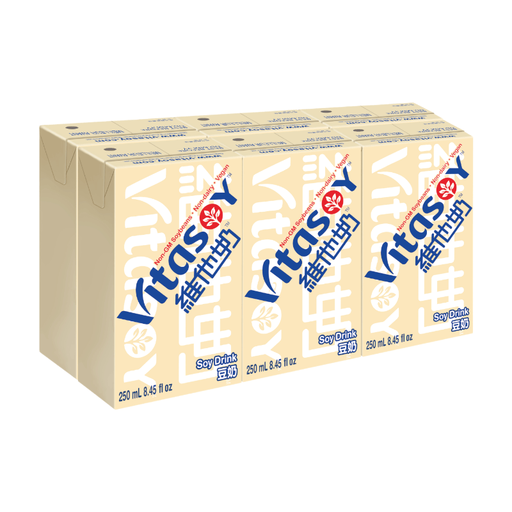
Why this fits: Six individual 250 ml packs are straightforward for breakfast, work or on the go.
The portion is clearly defined. The ingredients list states water, sugar and soya beans; so you know exactly what you’re buying.
250 ml per pack, ready-to-drink and, according to the product information, 2.0 g protein per 100 ml.
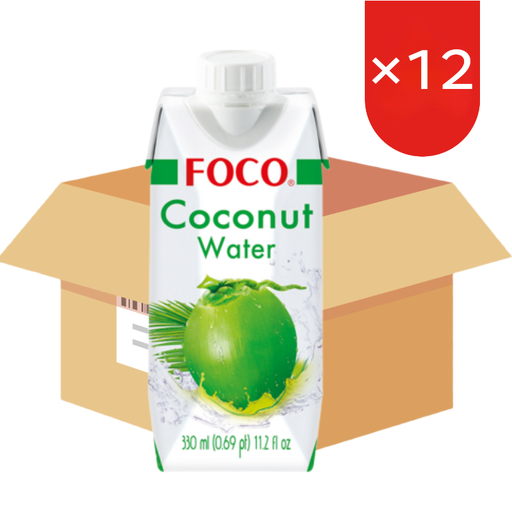
Why this fits: The tray of 12 cans is practical for a household or the store cupboard.
The product information states 100% coconut water and no added ingredients. Do check the actual can label.
330 ml per can; according to the description, can be stored at room temperature when unopened.

Why this fits: A tropical flavour for those who prefer passion fruit over coconut or soya drink.
The product description mentions 30% natural passion fruit juice, no added sugar and 17 kcal per 100 ml.
Twelve 330 ml cans are suitable for sharing, stocking up and drinking on the go.
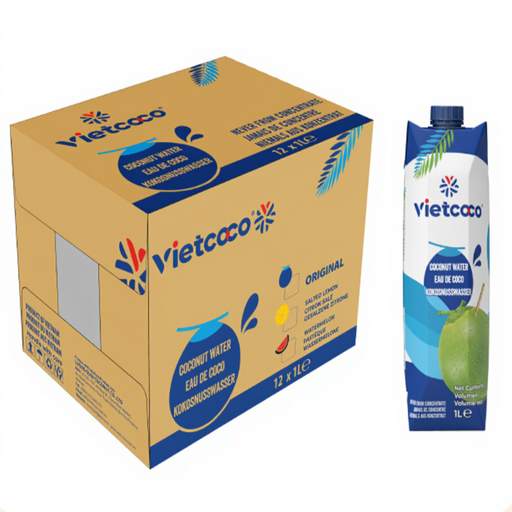
Why this fits: The litre cartons are ideal for daily use, cooking, smoothies or a household with several drinkers.
The product information states 99% coconut water and less than 1% fructose. So it’s not the same as 100% coconut water.
1 litre per carton and a tray of 12; check your storage space and the price per litre before ordering.
Browse a current selection of Asian and plant-based drinks and compare ingredients, sizes and packaging based on your needs.
That varies from product to product. Drinks labelled “no added sugar” contain no added sugar according to the product description, but may contain natural sugars from fruit or coconut water. So always compare the of which sugars line per 100 ml. An aloe vera drink with sweetener may be low in sugar, but that doesn’t automatically make it sugar-free.
Unopened cartons, cans and bottles can often be stored outside the fridge in a cool, dry place, unless the label says otherwise. Once opened, coconut water or soya drink usually needs to be refrigerated and used within the stated time. With Vitasoy Original, according to the product information: refrigerate after opening and consume within 24 hours. Always follow the instructions on your specific pack.
A multipack is practical when you regularly use the same drink or share it with several people. Choose 250 or 330 ml for fixed portions and on-the-go drinking. A 1 litre pack is usually more sensible for home, breakfast, smoothies or recipes. Work out the price per litre before you order and check the shelf life.
