
Vandaag of morgen in huis

Kwaliteit gegarandeerd

Welkomstaanbiedingen ontgrendelen: GRATIS bezorging | Tot 80% korting | Gratis 30 dagen JoyPlus-proefperiode
Download de app
Shelves are increasingly filled with colourful bottles and cans from Asia. From sweet, tropical fruit juices to surprising drinks with chewy bits, the selection is enormous. But how do you choose a drink that truly suits you, without falling into the usual traps? Many exotic packages hide a less appealing reality: an overload of sugar, artificial flavours, or an unexpected texture.
As a Joybuy Product Recommendation Officer, I'm here to help you see past the marketing hype. We'll focus on what's really inside the bottle, so you can make an informed choice. These are the most common pitfalls to watch out for:
To avoid a purchase you'll regret, it's helpful to check a few specifications before making your choice. This will help you find exactly what you're looking for in the wide range of exotic soft drinks.
One of the most distinctive features of many Asian drinks is the texture. Are you looking for a smooth, traditional juice, or something with a surprising bite?
Asian drinks go far beyond just mango or lychee. The flavour palette is broad and diverse.
The front of the label is designed to entice, but the back tells the real story. Pay close attention to two things:
Based on these criteria, we have selected a few popular choices that cater to different preferences.
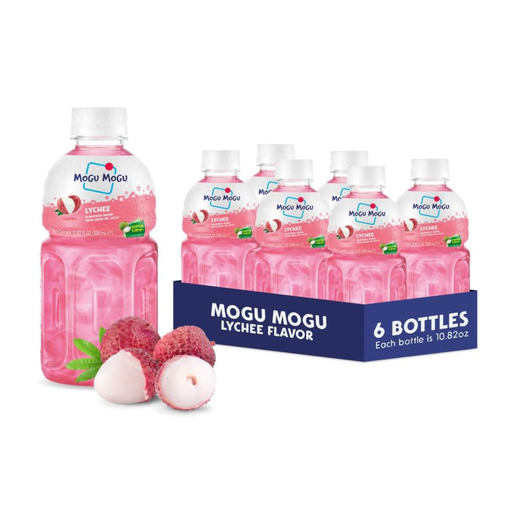
Why This Fits Their Persona: Perfect for anyone trying a drink with bits for the first time. The sweet lychee flavour is accessible, and the combination with the chewy Nata de Coco makes it a fun and unique experience. Ideal if you're curious about the texture Mogu Mogu is known for.
This product is transparent about its contents. The name explicitly states "with Nata De Coco," so the texture isn't an unexpected surprise. You know exactly what you're getting.
Offers a unique drinking and chewing experience in one. The combination of a refreshing drink and a snack-like element is what sets this product apart.
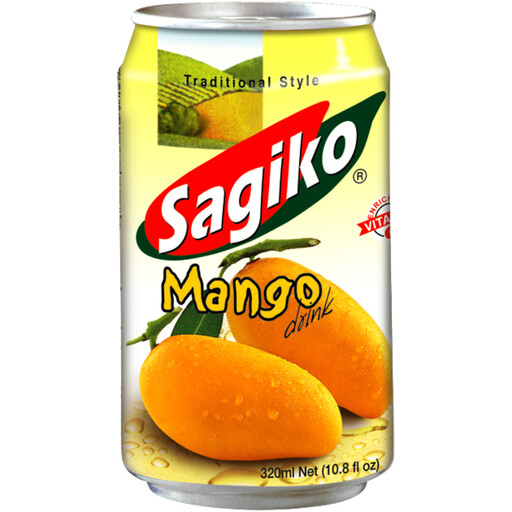
Why This Fits Their Persona: For those looking for a classic, no-frills tropical fruit juice. This Sagiko drink delivers a rich and smooth mango flavour, perfect to accompany an Asian meal or as a refreshment on a warm day.
This is a straightforward juice without unexpected textures. The ingredients list mentions mango puree, indicating the use of real fruit instead of just flavourings.
A consistent, full, and sweet mango flavour. It's a reliable choice for lovers of classic fruit juices who don't want any chewy bits.
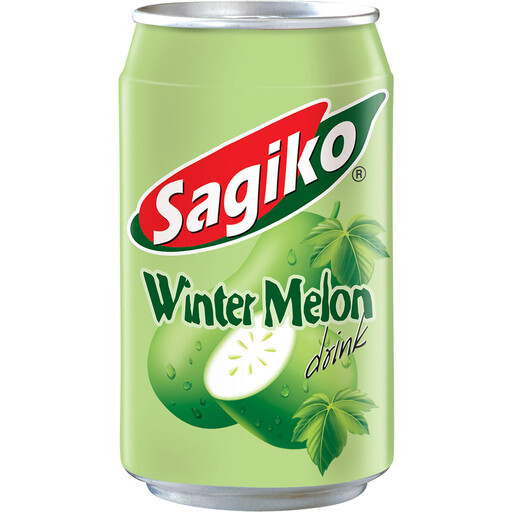
Why This Fits Their Persona: For those who are familiar with the standard fruit flavours and want to try something new. Winter melon juice is a popular thirst-quencher in many parts of Asia, with a unique, subtly sweet, and herbal taste sometimes compared to cucumber.
This product is clearly positioned as a unique flavour. It's not a standard fruit drink, which avoids the expectation of a typically sweet juice and instead piques curiosity.
Offers a very refreshing, not overly sweet taste experience that is different from most Western soft drinks. The main ingredient is winter melon extract.
We have compiled a complete, up-to-date list of products that meet these selection criteria and current regulations.
Nata de coco is a chewy, jelly-like substance produced by the fermentation of coconut water. It has a neutral to slightly sweet taste on its own and absorbs the flavour of the drink it's in. It adds a playful and filling texture, making a Nata de Coco drink a unique experience.
Unopened bottles and cans are best stored in a cool, dry place away from direct sunlight. This helps to preserve the flavour and quality. Once opened, it is recommended to store the drink in the refrigerator and consume it within a few days, as often indicated on the packaging.
Yes, absolutely. Although many fruit drinks are on the sweeter side, there are alternatives. Beverages like unsweetened or lightly sweetened iced tea, winter melon tea, or soy milk often contain significantly less sugar. It always pays to check the nutrition label on the back to find a drink that matches your preference for sweetness.
