
Vandaag of morgen in huis

Kwaliteit gegarandeerd

Welkomstaanbiedingen ontgrendelen: GRATIS bezorging | Tot 80% korting | Gratis 30 dagen JoyPlus-proefperiode
Download de app
Buying Asian drinks can give you a surprising amount of choice. One range might include Japanese soft drinks, Korean drinks, Thai drinks, green tea drinks, lychee drinks, mango drinks and bubble tea-style drinks with nata de coco. But eye-catching packaging doesn’t always tell you what’s inside.
So look out for these three common pitfalls:
With a few simple checks, it’s easier to find a fruit drink, tea or Asian soft drink that suits your taste and the occasion.
First, compare the nutritional values per 100 ml. Then check the total volume of the bottle, can or sachet. A drink with 10 grams of sugar per 100 ml contains around 32 grams of sugar in a 320 ml bottle. It’s easy to overlook the difference.
If you’re looking for a sugar-free drink, check the ingredients list too. “Zero sugar” doesn’t automatically mean the drink is unsweetened. A product may contain sweeteners, for example. According to the available product information, Mogu Mogu Zero Tropical Delight contains 0 grams of sugar per 100 ml and uses mango, pineapple, passion fruit and lychee juices, among other ingredients, alongside nata de coco.
Preparation also matters for instant drinks. Ranong Tea 3 in 1 Instant Thai Tea Mix lists 10 grams of sugar per 100 ml of prepared drink. The final nutritional value therefore depends on how much water you use.
An exotic fruit drink may contain juice, purée or concentrate, or simply have a fruit flavour. These terms don’t mean the same thing. For example, Maaza Guava Fruit Drink lists 16% guava juice from concentrate. According to the product information, its ingredients are water, guava juice from concentrate and sugar.
Texture is another important difference. Nata de coco consists of soft, chewy pieces, which you’ll find in drinks such as Mogu Mogu. Check the percentage if that’s what you’re after. Mogu Mogu Zero Tropical Delight lists 15% nata de coco. Not everyone enjoys pieces in their drink; shaking it before use helps distribute them more evenly.
A product’s name doesn’t always tell you where it was made. Check the country of origin and the responsible importer on the label. For example, the available product information lists:
Check the allergens too. Ranong Tea contains milk. LOTTE Milkis Melon lists milk and soya, and may contain traces of egg, cereals containing gluten, peanuts, sulphites and nuts, among other allergens. Product information on a webshop may change, so always read the current label before consuming.
The right choice depends on when you plan to enjoy it. Are you looking to try something new, enjoy an unusual texture or stock up for several people? This selection is based on the listed volume, ingredients, nutritional values and packaging.
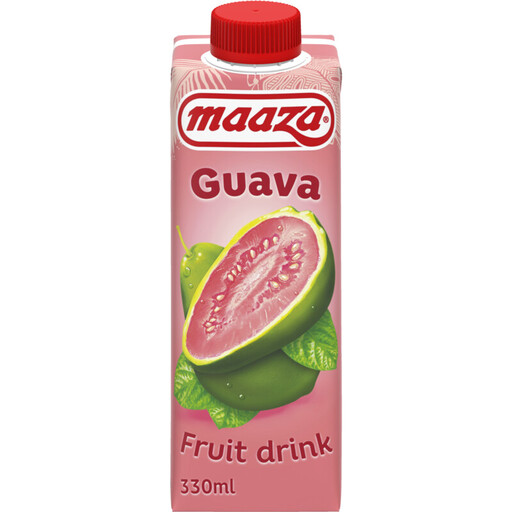
Why it suits this profile: A single 330 ml bottle is a practical way to try guava flavour without ordering a large multipack straight away.
The ingredients and nutritional values are clearly listed: 16% guava juice from concentrate and 6.9 grams of sugar per 100 ml, according to the product information.
330 ml per pack, guava purée as the flavour base, and best served chilled.
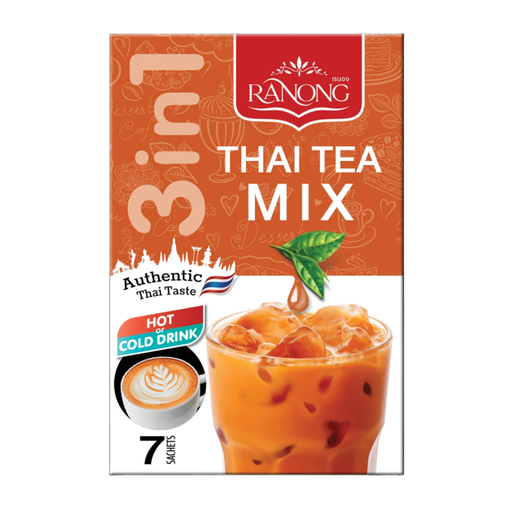
Why it suits this profile: Convenient individual sachets give you more control over preparation and portions, at home or in the office.
The preparation instructions and nutritional values are clearly stated. Bear in mind that the product contains sugar and milk powder.
7 sachets, suitable for hot or cold preparation, with milk clearly listed as an allergen.
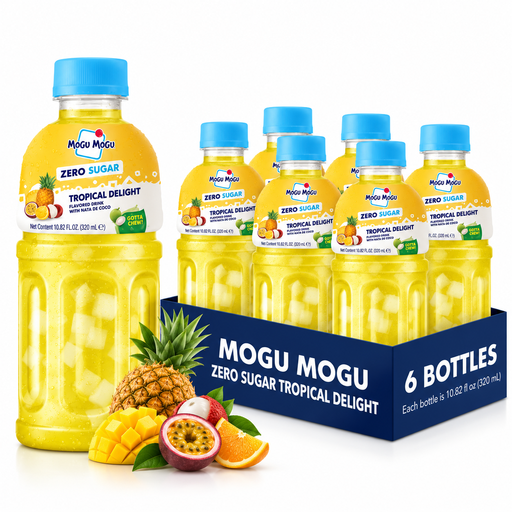
Why it suits this profile: The pack of six bottles is a good fit for a household, office or fan who likes to have a chilled drink on hand regularly.
The product information lists 0 grams of sugar per 100 ml. When your order arrives, check the current label, especially if the recipe has changed.
Six 320 ml bottles, nata de coco and, according to the product information, a low energy content per bottle.
Would you also like to browse Japanese soft drinks, Korean drinks, Thai drinks, bubble tea-style flavours or green tea drinks? Don’t compare flavour names alone; check the volume, sugar per 100 ml, preparation method and storage advice too. When shopping online, it’s worth comparing the product photo with the ingredients list.
We’ve put together a complete, up-to-date list of products that meet these strict selection criteria and the applicable European safety regulations.
It varies by product and recipe. According to the available product information, Mogu Mogu Zero Tropical Delight contains 0 grams of sugar per 100 ml. Wicky Mango Fruit Drink without sugar lists less than 0.1 grams of sugar per 100 ml and contains sweeteners. Always check the current label, as “zero” and “sugar-free” products may contain sweeteners.
As a general rule, store unopened drinks in a cool place away from direct sunlight, following the instructions on the packaging. Many products need to be refrigerated after opening and consumed within the stated period. Shake drinks containing nata de coco before use if the label advises you to.
A multipack can be handy if you drink it regularly, but compare the price per litre, not just the total price. Check the shelf life and whether you have enough room in your fridge too. If you’re trying a new flavour, a single bottle, such as Maaza Guava or a Japanese ramune, is often a practical first purchase.
