
Vandaag of morgen in huis

Kwaliteit gegarandeerd

Welkomstaanbiedingen ontgrendelen: GRATIS bezorging | Tot 80% korting | Gratis 30 dagen JoyPlus-proefperiode
Download de app
The Asian drinks aisle at the specialty market or online can be overwhelming. Bright colours, unfamiliar fruits, and surprising textures. How do you know what you're getting? Many people choose based on the label and end up disappointed. A drink turns out to be sickly sweet, or it contains unexpected bits.
Before you fill your cart, it's helpful to know two common pitfalls:
This guide will help you make more informed choices, so you can fully enjoy the unique flavours Asia has to offer.
To avoid a bad purchase, it's useful to pay attention to a few specific product features. These are the factors that truly make the difference between a disappointment and a new favourite.
The sweetness of tropical fruit juices can vary greatly. Check the nutrition label under "Carbohydrates," and then specifically look for "of which sugars." This number tells you how many grams of sugar are in every 100 ml.
Texture is often a deliberate part of the drinking experience. If you know what to expect, it becomes much more enjoyable. The most common additions are:
Asian drinks offer a wide range of flavours that go beyond just orange or apple.
To help you get started, we've highlighted a few popular choices that suit different preferences.
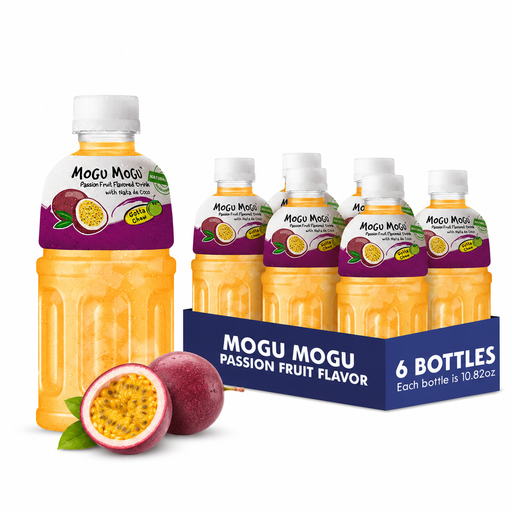
Why This Fits Their Persona: Perfect for those curious about drinks with texture. The combination of a familiar tropical flavor (passion fruit) with chewy nata de coco makes it a fun and accessible first step.
This drink fully embraces the "texture surprise." The name Mogu Mogu (which means "to chew" in Japanese) and the clear presence of nata de coco make it immediately obvious that this is a drink you chew.
Contains 25% nata de coco for a distinct texture. The sweet and sour passion fruit flavor is refreshing and not too overpowering.
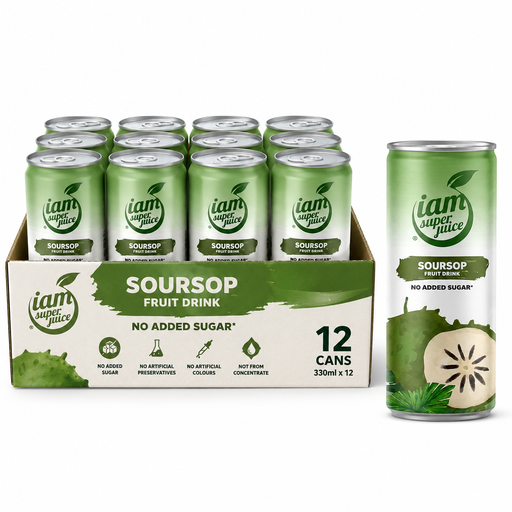
Why This Fits Their Persona: Ideal for anyone seeking a pure, authentic fruit flavor without an overload of sugar. This drink focuses on the unique taste of soursop, a tropical fruit with notes of pineapple and strawberry.
This drink completely sidesteps the "sugar trap." The label clearly states "No Added Sugar." The sweetness comes from the fruit itself and a touch of stevia, keeping the sugar content low (3.9g per 100ml).
Made from 30% natural soursop juice (not from concentrate), which enhances the fruit flavor. Low in calories and enriched with Vitamin C.
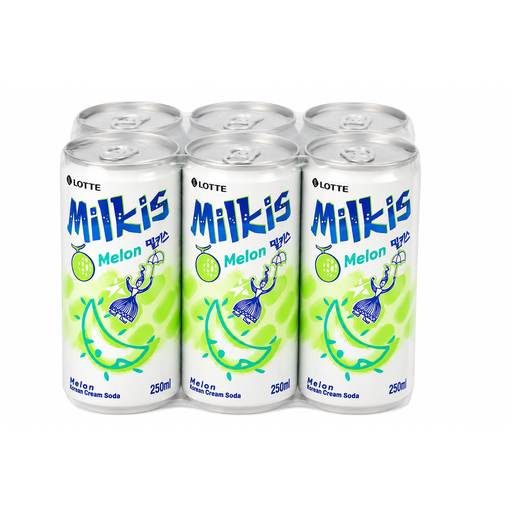
Why This Fits Their Persona: For those who want to try the popular flavors from Korean pop culture. Milkis is an iconic Korean soda that offers a unique, creamy, and fizzy experience you won't find anywhere else.
This isn't a standard fruit juice. The name "Cream Soda" and its description make it clear that you should expect a sweet, creamy, and carbonated drink. It doesn't position itself as a healthy juice, but as a unique soda.
A unique combination of skim milk powder, carbonation, and melon flavor. An authentic taste from South Korea that is surprisingly refreshing.
We've compiled a complete, up-to-date list of products that meet these selection criteria. Discover even more unique flavors and find your new favorite.
Nata de coco is a chewy, jelly-like substance made from the fermentation of coconut water. It has a fairly neutral taste and is added primarily for its unique, chewy texture. It is a popular ingredient in many Southeast Asian desserts and beverages.
It entirely depends. Some drinks, like pure coconut water or juices with no added sugars, can be a lighter choice. However, other tropical fruit juices can contain just as much sugar as traditional soda. The key is to always check the label for the sugar content per 100 ml.
Besides physical Asian supermarkets or specialty stores, online shops offer an increasingly broad and specialized assortment. Here, you can often more easily find specific brands and flavors, such as a particular aloe vera drink or a hard-to-find guava juice, and have them delivered directly to your home.
