
Vandaag of morgen in huis

Kwaliteit gegarandeerd

Welkomstaanbiedingen ontgrendelen: GRATIS bezorging | Tot 80% korting | Gratis 30 dagen JoyPlus-proefperiode
Download de app
Asian drinks and desserts are increasingly popular with shoppers looking for something beyond standard fizzy drinks, ordinary pudding or everyday sweets. Think Japanese sake, umeshu, bubble tea mix, konjac jelly, nata de coco and fruit jelly. International products such as limoncello, Piña Colada liqueur and advocaat also fit perfectly into a festive dessert occasion.
However, the packaging alone isn't always enough to help you make the right choice. A sweet flavour, for example, can go hand in hand with a high sugar content; a "plant-based" dessert may still contain allergens; and an appealing drink isn't automatically suitable for every occasion.
"Matcha", "lychee", "coconut" or "peach" mainly describes the flavour direction. Always check the ingredients list to see how much of the named fruit or ingredient is actually present. For example, SHENG XIANG ZHEN White Peach Jelly states 8% white peach. With a product that uses artificial flavouring, the taste may turn out quite different from what you'd expect based on the front of the pack.
Plant-based soya desserts are generally suitable for a vegan dessert or a lactose-free diet, but soya remains an allergen. Alpro Vanilla Flavour Dessert and Alpro Chocolate Flavour Dessert list soya as an allergen. Always check the current packaging too, especially if you're serving the product to guests with a food allergy.
Japanese sake, Japanese plum wine, limoncello, advocaat and Piña Colada liqueur vary widely in alcohol percentage and how they're used. According to the product information, Choya Plum Wine contains 10% alcohol, Nenohi Chardonnay + Daiginjo Sake Sweet 7%, and Imperial Piña Colada 14.5%. Alcoholic drinks are intended for adults aged 18 and over only. Please drink responsibly and always check the label for ingredients, allergens and serving instructions.
Don't just look at the product name – also check:
According to the product information, Alpro Vanilla Flavour Dessert is plant-based, naturally lactose-free and vegan. The nutritional value is 75 kcal per 100g, with 8.2g of sugar per 100g. For Alpro Chocolate Flavour Dessert, it's 76 kcal and 8.3g of sugar per 100g. These values are product data and not personal dietary advice.
Texture determines whether a product works well as a dessert, snack or topping. Konjac jelly often has a springy, chewy texture. Fruit jelly is softer and may contain pieces of fruit. Nata de coco is typically used as a chewy topping in cold desserts, drinks or bubble tea.
With jelly products, always follow the usage instructions. Some packs contain small portions, but with young children, the texture of a jelly product can pose a choking risk. Jele Double Jelly states that it is not suitable for children under three years old. Always cut or serve products appropriately for the age group, and pay attention to the warning on the packaging.
Check before you buy whether the product needs to be refrigerated and how long it keeps once opened. According to the product information, an opened pot of Alpro dessert must be kept refrigerated and consumed within the stated period. Nata de coco in syrup also needs to be refrigerated after opening.
For a party, individual pots – such as white peach jelly in 6 × 180g cups, or a bubble tea cup mix with six portions – are very handy. For a quiet dessert moment, a bottle of umeshu, a liqueur or a jar of topping is more practical.
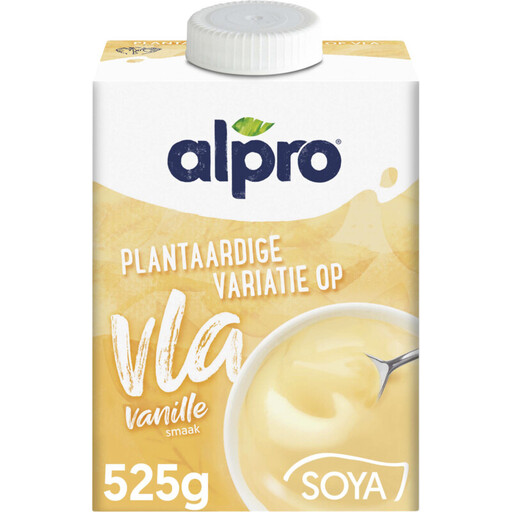
Why this fits the profile: An accessible plant-based dessert for anyone who wants to start enjoying a sweet vanilla flavour without complicated preparation.
The packaging clearly states the soya allergy information, nutritional values and storage advice. This makes the choice easier to verify than with a dessert that only highlights the flavour.
525g, vanilla flavour, plant-based and, according to the product information, naturally lactose-free.
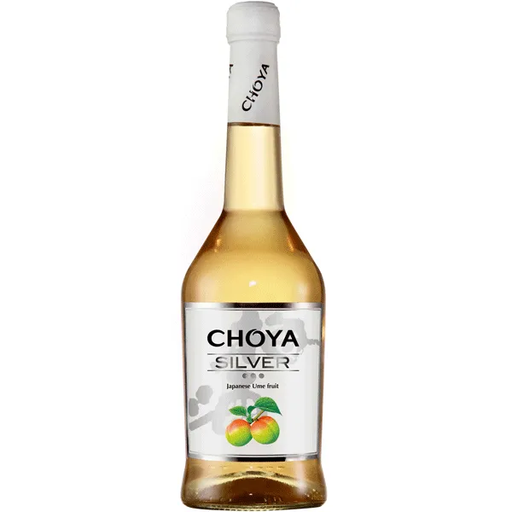
Why this fits the profile: A Japanese umeshu for anyone looking for a bottle that can be served chilled, over ice or in a cocktail.
The alcohol content of 10% and the ingredients – ume plums, sugar, alcohol and water – are clearly stated. So you're buying based on concrete product information.
500ml, sweet and sour flavour according to the product description, and suitable for serving with ice or as a cocktail base.
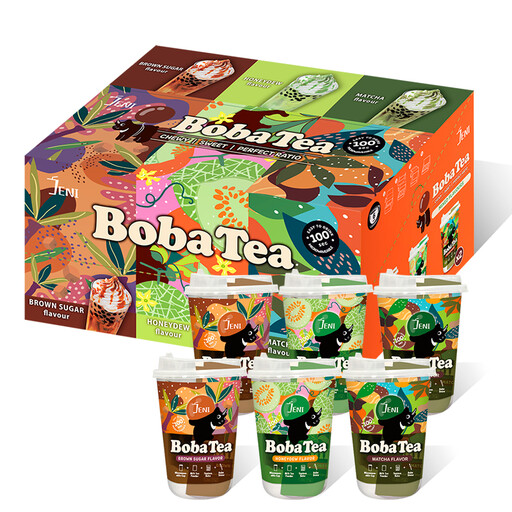
Why this fits the profile: Handy for a party or multiple drink occasions, with matcha, honeydew and brown sugar all in one pack.
The mix contains three clearly named varieties and tapioca pearls. Do check the individual ingredients though, as the composition differs per flavour.
Six cups of 85g, multiple flavours and a preparation that, according to the product information, can be mixed directly with water.
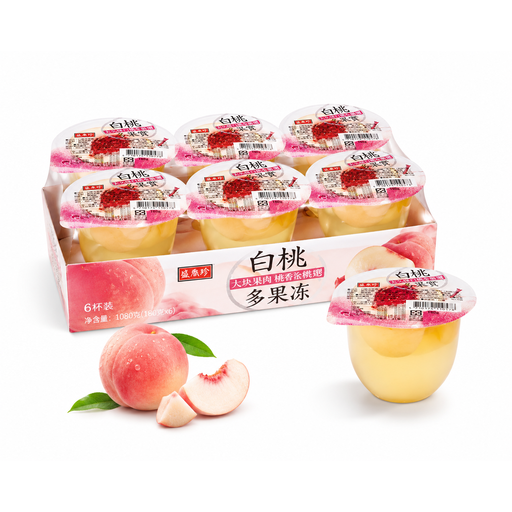
Why this fits the profile: Individual fruit jelly pots are easy to serve chilled at a dinner party, movie night or celebration.
The number of pots, the weight per pot and the proportion of white peach are all stated upfront. This makes it easy to judge whether the quantity is suitable for sharing.
Six individual portions of 180g, pieces of white peach and a serving suggestion to eat the product chilled.
We've put together a full, up-to-date list of products that fully meet these strict selection criteria and comply with current European safety regulations.
Umeshu is a sweet drink made from ume plums, sugar and alcohol. Japanese sake is made from rice, koji, water and yeast. According to the product information, Nenohi Chardonnay + Daiginjo Sake Sweet combines sake with Chardonnay wine and has 7% alcohol. Choya Plum Wine is an example of umeshu with 10% alcohol.
Always follow the packaging instructions. Soya desserts and nata de coco generally need to be refrigerated after opening. Dry bubble tea mix and instant milk tea, such as Xiangyue Milk Tea Tiramisu, should be stored in a cool, dry place according to the product information. Use opened products within the stated time frame.
This varies by product and age. Check the warning on the packaging and be aware of the firm or springy texture. Jele Double Jelly, for example, states that the product is not suitable for children under three years old due to the risk of choking. Always serve jelly appropriately for the age group and stay alert while it's being eaten.
