
Vandaag of morgen in huis

Kwaliteit gegarandeerd

Welkomstaanbiedingen ontgrendelen: GRATIS bezorging | Tot 80% korting | Gratis 30 dagen JoyPlus-proefperiode
Download de app
Buying Asian drinks online is straightforward, but the range varies widely in flavour, packaging, sugar content and when you might drink them. A Japanese fizzy soft drink calls for a different choice than a Chinese tea drink to have with a meal. Terms like “natural”, “refreshing” and “traditional” also tell you very little about what’s actually inside.
With this practical guide, you can focus on the information that really matters. That way, you can avoid buying a large pack that doesn’t suit how you’ll use it, or picking a drink whose flavour and sweetness turn out to be disappointing.
Lychee, mango and peach flavour can come from juice, juice concentrate or flavouring. So always check the ingredients list and, where stated, the percentage of fruit juice. According to the product information, the Foco Mango Passion Fruit Drink contains 10% mango juice and 5% passion fruit juice. That’s much more concrete than just the name “mango drink”.
The difference can be just as big with a lychee drink. Jane Jane Lychee Flavour Soda lists 1% lychee juice concentrate and also contains sweeteners. HATAKOSEN Ramune Lychee mainly lists carbonated water, sugar, glucose syrup and lychee flavouring.
Asian tea and ready-to-drink tea are often sweetened drinks. Compare the nutritional values per 100 ml and then work them out for the whole bottle or pack. Master Kong Lemon Tea lists 8 grams of sugar per 100 ml. A 250 ml pack therefore contains around 20 grams of sugar.
With a 1-litre bottle, the total quickly adds up. Vita Lemon Tea Drink lists 13 grams of carbohydrates per 100 ml. So don’t just look at the words “tea” or “light” – check the table on the label.
A multi-pack of 24 cans or bottles is handy for catering, an event or a large household. For occasional use, though, such a pack takes up a lot of space. Pay attention to:
A pack of six 250 ml portions is often more manageable for home or on the go. A box of 24 300 ml bottles is better suited to sharing, stocking up or serving at a gathering.
Start with the first ingredients. These are listed in descending order by quantity. With a fruit drink, juice percentages give you extra clarity. The Senpure Meco Orange Mocha Jasmine Juice Tea Drink, for example, lists 5% orange juice, 4.7% apple juice concentrate and 0.3% jasmine tea.
Also look out for sweeteners, such as sucralose and acesulfame-K, when you’re choosing a fizzy soft drink or fruit drink. Jane Jane Lychee Flavour Soda explicitly states that the product contains sweeteners.
Always compare products on the same basis. A 330 ml can may have fewer calories per 100 ml than a 350 ml bottle, but could still provide more overall because of the larger volume. Foco Mango Passion Fruit Drink has around 42 kcal per 100 ml and 147 kcal per 350 ml bottle.
The statement “0 g fat” doesn’t mean a drink is sugar-free or low in energy. So also look at carbohydrates and sugars.
With Japanese soft drinks like Ramune or Hatasoda, the fizz is part of the drinking experience. Check that the packaging suits how you’ll use it, and follow the instructions on the label. A carbonated drink should not be heated or frozen if the product information advises against it.
Once opened, the shelf life changes. Many products need to be chilled and drunk within a short time. Store unopened drinks in a cool, dry place away from direct sunlight, following the instructions on the packaging.
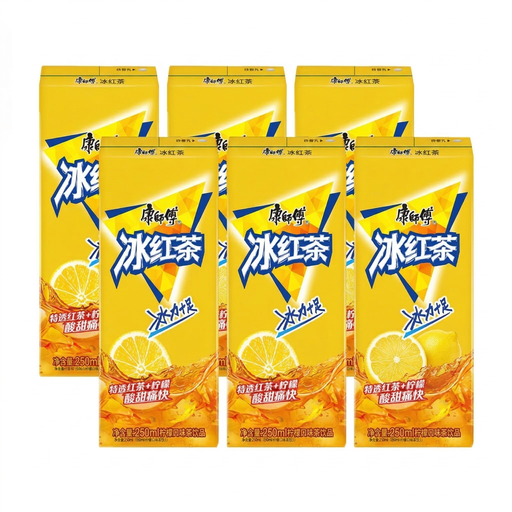
Why this suits the profile: Six 250 ml portions offer a manageable introduction to Chinese lemon tea, without committing to a large stock straight away.
The product information lists 1% instant black tea, 0.1% lemon juice concentrate and 8 grams of sugar per 100 ml. This lets you gauge the flavour and sweetness in advance.
250 ml per can, ready-to-drink and 0 grams of fat per 100 ml according to the product data.
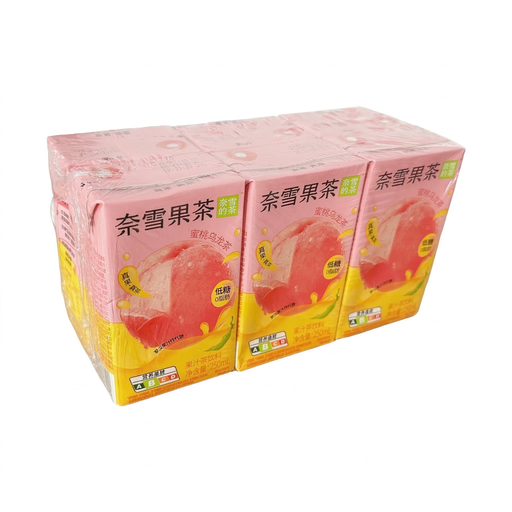
Why this suits the profile: This combination is ideal for anyone looking for a fruity drink with a clearly stated oolong tea base.
The product information states a minimum of 4 g/l Baiya Qilan oolong tea, a minimum of 10% fruit juice and 4.8 grams of sugar per 100 ml.
Six 250 ml bottles, 20 kcal per 100 ml and ready-to-drink when chilled.
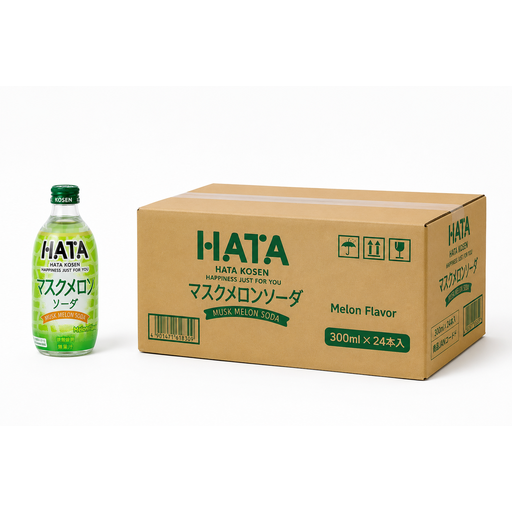
Why this suits the profile: The box of 24 300 ml bottles is ideal for sharing, catering, events or a household that regularly serves Japanese soft drinks.
The product information clearly states that this is a carbonated drink with muskmelon flavour, not a fruit juice. The nutritional values list 8.9 grams of sugar per 100 ml.
300 ml per bottle, 24 units per box and 36 kcal per 100 ml according to the stated nutritional values.
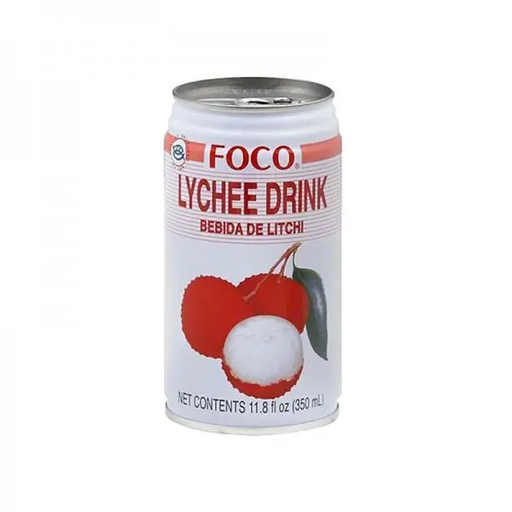
Why this suits the profile: A compact bottle for on the go, with lunch or as a sweet tropical drink alongside Asian dishes.
The product description lists the ingredients and gives around 40 kcal and 9 grams of sugar per 100 ml. Check the label for the current details.
350 ml, ready-to-drink and, according to the product description, free from artificial colours and preservatives.
We’ve put together a full, up-to-date list of products that fully meet these strict selection criteria and comply with current European safety regulations.
Almost all the soft drinks, fruit drinks and ready-to-drink teas mentioned here can be served chilled. Always check the packaging. With carbonated products, such as Ramune or Hatasoda, chilling is standard, but freezing or heating may be advised against.
This varies by product. Many drinks need to be chilled after opening and used within 24 hours. Check the label for the exact instructions. Store unopened packs in a cool, dry place away from direct sunlight.
Compare the content per bottle, the number of units, the ingredients, the fruit percentage, sugar values and any allergens. Also check the country of origin, storage instructions and the best-before date. This will help you choose more wisely between Asian soft drinks, Chinese tea drinks, Korean drinks and Japanese soft drinks.
