
Vandaag of morgen in huis

Kwaliteit gegarandeerd

Welkomstaanbiedingen ontgrendelen: GRATIS bezorging | Tot 80% korting | Gratis 30 dagen JoyPlus-proefperiode
Download de app
Asian drinks are becoming increasingly easy to find online in the Netherlands. From Korean soft drinks and lychee drinks to Japanese and Korean beverages containing fruit, milk or alcohol, there is plenty of choice. That makes browsing fun, but choosing can be difficult. Eye-catching packaging tells you little about the flavour, ingredients or whether a drink is suitable for the occasion.
As a Joybuy Product Recommendation Officer, I therefore focus mainly on verifiable information on the label: size, sugar content, alcohol percentage, allergens, fruit or milk content and storage advice. This helps you avoid ending up with a drink that is different from what you expected.
A mango, grape or lychee drink may consist mainly of water, sugar, acidity regulators and flavourings. So check the ingredients list and look for terms such as fruit purée, fruit juice from concentrate or a stated percentage. For example, Bong Bong Grape lists 5% grape pieces, while Sagiko Mango Juice contains mango purée alongside sugar, fructose and flavourings.
Some fruit drinks contain naturally occurring sugars. Others are sweetened with sweeteners. Check the nutritional values per 100 ml and per pack. A 1.5-litre bottle requires different planning from a 250 ml can.
Also pay attention to product titles and descriptions that do not fully match. Before ordering, always check the current label on the product page and on the packaging.
Korean soju with apple, mango, grape, watermelon or lychee tastes fruity, but the alcohol percentage remains important. The range includes several varieties with 12% vol. This is not a soft drink. Only order and consume alcohol if you are aged 18 or over, drink responsibly, and do not combine it with driving or other activities that require alertness.
Small packs are practical for taking on the go or enjoying with lunch. LOTTE Milkis Melon comes in a 250 ml can, while Mogu Mogu Lychee is supplied as 320 ml x 6 pieces. A multipack is useful for a party or keeping in the cupboard, but less suitable if you want to try just one flavour first.
For a family or dinner party, a larger bottle may make more sense. Taksi Dragon Fruit Cordial is available in 1.5 litres. Once opened, it should be kept refrigerated and used within the period stated on the packaging.
Asian soft drinks are not one single product category. Look out for the difference between:
If you are expecting a smooth drink, nata de coco, grape pieces or peach pulp may come as a surprise. So check the product description for terms such as pulp, jelly, nata de coco and milk ingredients.
EU regulations require relevant allergens to be stated clearly, but you should always treat the packaging itself as the definitive source. Milkis Melon contains milk and soya. Taksi drinks contain milk ingredients. Wheat is listed for Oppa Soju Mango. If you have an allergy or intolerance, check the current ingredients list before ordering.
Sugar levels also vary considerably. As an indication, Sagiko Lychee lists approximately 10.62 grams of sugar per 100 ml, Bong Bong Grape approximately 13 grams and Jardin Muscat Ade approximately 15.65 grams. These values depend on the product and flavour.
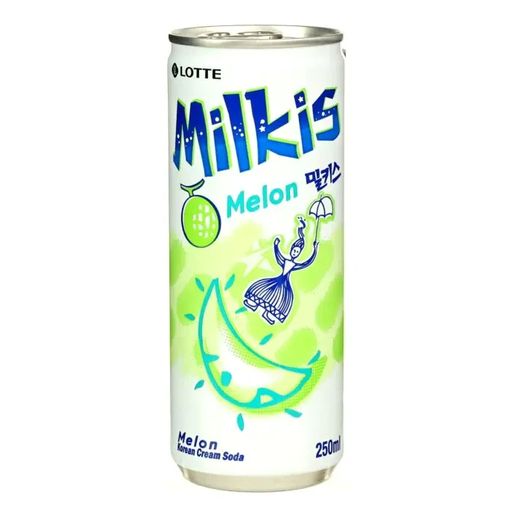
Why it suits this profile: The compact 250 ml can is ideal for trying a Korean milk drink for the first time without immediately buying a multipack or large bottle.
The volume is clearly stated, and the product information lists both milk and soya, as well as approximately 12 grams of sugar per 100 ml.
Melon flavour, carbonation, 250 ml volume and milk powder according to the product description.
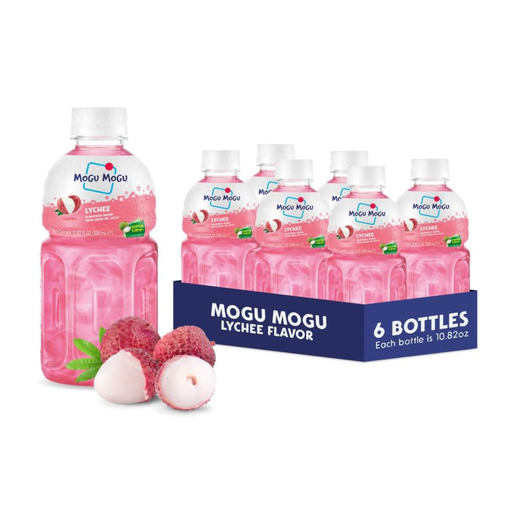
Why it suits this profile: The multipack is ideal for shoppers who want to serve several portions and deliberately choose a drink with a distinctive texture.
The product name mentions nata de coco, so you know in advance that this lychee drink contains pieces and is not completely smooth.
Six 320 ml packs and a combination of lychee flavour with nata de coco.
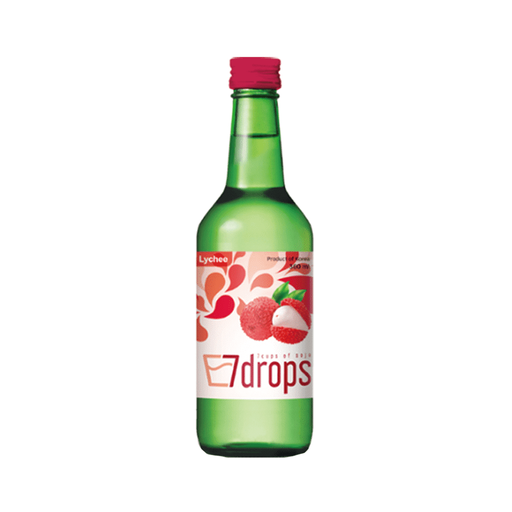
Why it suits this profile: This flavoured soju is aimed at adults looking for a fruity drink to enjoy with dinner, at a gathering or served over ice.
The alcohol content of 12% vol. is clearly stated, so the product cannot be mistaken for an ordinary fruit drink or Asian soft drink.
Lychee flavour, 360 ml volume and suitable for serving chilled, over ice or as the basis for a mixed drink, according to the product description.
We have compiled a complete, up-to-date list of products that fully meet these strict selection criteria and the applicable European safety regulations.
The right choice also depends on the dish. Fruity Korean drinks often work well with spicy or salty meals, as the sweetness and acidity add a different flavour dimension. With Korean barbecue, you could choose Bong Bong Grape, a citrusy Hallabong drink or an alcoholic soju for adults. A lychee drink, mango drink or creamy Milkis Melon goes well with dessert.
Serve soft drinks chilled if this is recommended on the packaging or in the product description. Store unopened products in a cool place away from direct sunlight. Once opened, drinks containing milk, fruit ingredients or nata de coco should generally be kept in the fridge.
Korean Smile Black Plum, Jeju Hallabong ADE Sparkling and Milkis Melon are examples of Korean soft drinks with a distinctive flavour profile. However, always check the sugar content and whether they contain sweeteners. Milkis also contains milk and soya.
The term fruit juice does not automatically mean 100% juice. Check the proportion of fruit juice or purée in the ingredients list. Some Asian fruit drinks contain a limited percentage of fruit and are supplemented with water, sugar, flavourings or sweeteners.
Follow the instructions on the label. In many cases, an opened bottle or pack should be kept refrigerated and consumed within a few days or the stated period. Store unopened drinks in a cool, dry place away from direct sunlight. For alcoholic drinks, it is important to seal the bottle properly.
