
Vandaag of morgen in huis

Kwaliteit gegarandeerd

Welkomstaanbiedingen ontgrendelen: GRATIS bezorging | Tot 80% korting | Gratis 30 dagen JoyPlus-proefperiode
Download de app
Store shelves, both online and physical, are brimming with colourful and enticing Asian drinks. From Japanese sodas in unique bottles to creamy Korean iced coffees. But how can you be sure that the beautifully designed package contains a delicious drink? Many consumers fall into the same traps: a drink that looks better than it tastes, or a product loaded with sugar.
As a Joybuy Product Recommendation Officer, I'm here to help you see through the marketing hype. We'll discuss the most common pitfalls and give you practical advice to make an informed choice.
Before you fill your cart, it's wise to be aware of a few common disappointments.
You don't need to be a label expert to avoid these pitfalls. By paying attention to two key points, you can make a much better choice.
The ingredients list is your most important tool. Look for terms like "fruit juice from concentrate," "coffee extract," or "freshly brewed tea," rather than just "flavourings." This gives an indication of the base quality.
Next, pay attention to the sugar content per 100 ml. This makes comparison easy.
Not all ready-to-drink beverages are the same. A Japanese soda like ramune offers a different experience than a creamy matcha latte. For coffee drinks, the caffeine content is a key factor. Many brands, such as UCC coffee, clearly state this on the packaging, often expressed in mg per 100 ml. A value of 40-60 mg/100 ml is comparable to an espresso and provides a noticeable energy boost. This is useful for students or during a long workday, but something to keep in mind if you're sensitive to caffeine.
To help you get started, we've highlighted a few popular choices and matched them to different preferences.
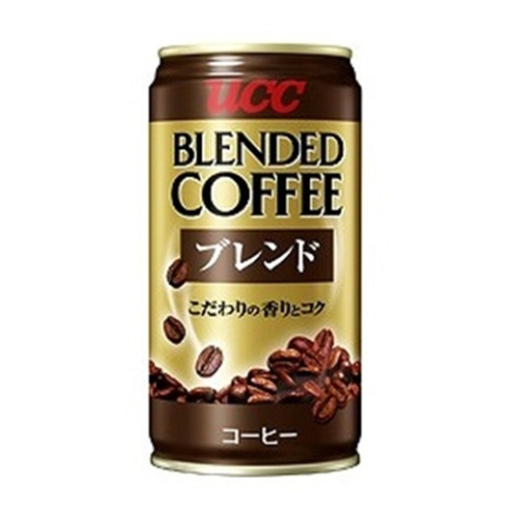
Why This Fits Their Persona: This is the classic Japanese ready-to-drink coffee. No fuss, just a balanced, lightly sweetened coffee with milk. Perfect for the train or as a quick pick-me-up at the office. The taste is consistent and reliable.
This drink avoids the trap of misleading marketing. It is exactly what it promises: a simple, effective iced coffee. The flavour is not overly sweet (6.2 g sugar/100 ml) and the coffee base is clearly recognisable.
Classic, reliable flavour from a well-known Japanese brand. Convenient 185 ml can for on-the-go enjoyment.
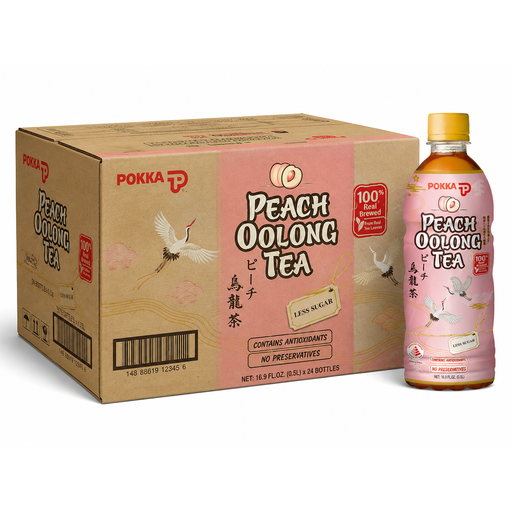
Why This Fits Their Persona: For those who want something different from standard iced tea. The oolong tea base is light and floral, pairing well with the sweet peach flavour. It's a thirst-quencher that isn't too heavy, ideal for a warm day or with lunch.
This drink dodges the sugar bomb trap. At 4.2 g of sugar per 100 ml, it's noticeably less sweet than many other soft drinks. The ingredients list mentions real tea and peach juice, which explains its authentic taste.
Based on real oolong tea for a unique flavour. Moderate sugar content and very refreshing.
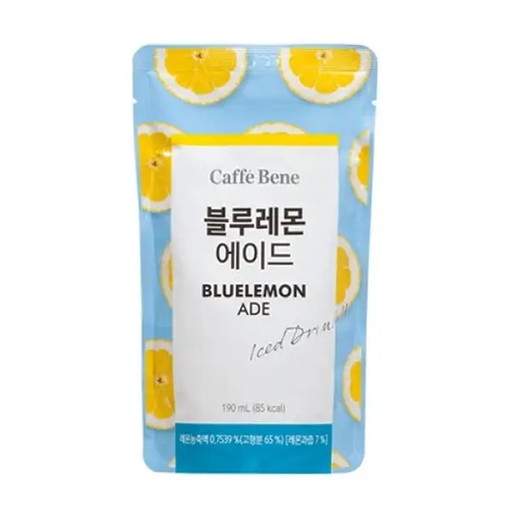
Why This Fits Their Persona: These Korean drinks in convenient pouches are popular and practical. The "Blue Lemon Ade" is a typical example of a modern Korean beverage: sweet, sour, and visually appealing. Ideal for those who want to try the flavours seen in K-dramas or on social media.
This product embraces its identity. It doesn't pretend to be an ancient recipe, but a fun, modern, and sweet treat. You know what you're getting: a sweet and sour lemonade in playful packaging, which prevents the disappointment of an "inauthentic" taste.
Very convenient and portable pouch packaging. Popular and recognisable flavour from modern Korean food culture.
We've compiled a complete, up-to-date list of products that meet these selection criteria. Discover more flavours that suit your taste.
This varies widely. It's always wise to check the label for the nutritional information per 100 ml. Unsweetened tea, like Pokka Oolong Tea, contains 0 grams of sugar. Ready-to-drink iced coffees usually have between 5 and 8 grams, while fruit ades and milk teas can go up to 8-12 grams or more.
Caffeine levels differ by brand and product. Brands like OD Gourmet and UCC often explicitly state the caffeine content on the packaging (e.g., 40-52 mg/100 ml). This is comparable to a shot of espresso. If you are sensitive to caffeine, it's advisable to check this or opt for a tea-based option.
Most of these ready-to-drink beverages have a long shelf life and can be stored in a cool, dry place. For the best taste experience, they are almost always served chilled. Once opened, they should be kept in the refrigerator and consumed within the period indicated on the packaging (usually 1-2 days).
