
Vandaag of morgen in huis

Kwaliteit gegarandeerd

Welkomstaanbiedingen ontgrendelen: GRATIS bezorging | Tot 80% korting | Gratis 30 dagen JoyPlus-proefperiode
Download de app
Buying Asian drinks may seem simple, but the range varies considerably in flavour, ingredients and pack size. A Korean drink in a pouch, a Japanese drink such as ramune or a Chinese soft drink may look appealing, while the information on the label is not always immediately clear.
These are the three pitfalls that regularly cost consumers in the Netherlands money:
Compare drinks based on energy, carbohydrates and sugars per 100 ml. Then look at the full pack size. A 230 ml pouch or a 500 ml bottle may contain considerably more per serving than the table per 100 ml suggests.
Some examples from the range:
You should therefore always consider a product labelled sugar-free drink together with the ingredients list and nutritional table. Also check whether the term ‘no added sugar’ is used; this does not automatically mean that the product contains no sugars.
When checking a fruit drink, look at how much fruit juice or fruit purée has actually been added. For example, Haitai Beverage Bong Bong Peach lists 5% peach pulp and 0.5% concentrated peach juice. OKF Aloe Vera Drink Lychee lists aloe vera gel alongside sugar, lychee flavouring and vitamin C.
With an aloe vera drink, pay particular attention to the presence of aloe vera gel, fruit juice, sugar and sweeteners. The term ‘aloe vera’ describes the ingredient and is not a medical claim. According to the brand’s product description, a drink may have a particular effect or added value, but such claims have not automatically been independently verified.
For a yoghurt drink, milk is a relevant allergen. Fristi Red Fruit Yoghurt Drink contains milk and lists 7.6 grams of sugar per 100 grams. Taksi Tropical Fruit Drink also contains milk ingredients. Anyone with allergies should always check the current packaging, even when the online product page states that none of the 14 main EU allergens are present.
A 200 to 330 ml soft drink can is convenient for an individual serving. A 500 ml bottle is better suited to drinking on the go, while a drinks multipack may be suitable for parties or regular use.
Also pay attention to:
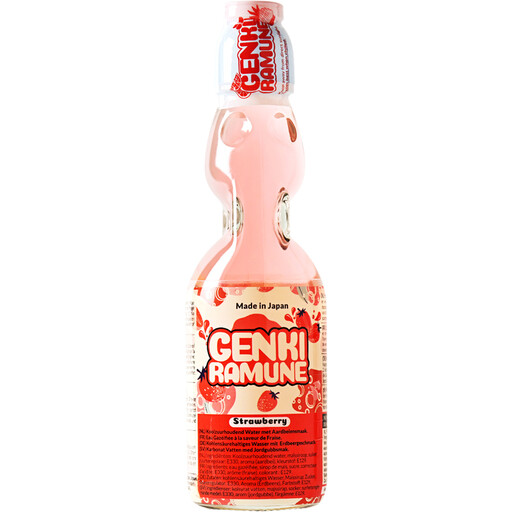
Why it suits this profile: A small 200 ml serving is ideal for trying a Japanese drink for the first time without immediately buying a multipack.
The size helps to minimise waste if the sweet strawberry flavour or the ramune bottle is not to your taste.
200 ml, carbonated and 39 kcal per 100 ml according to the product information.
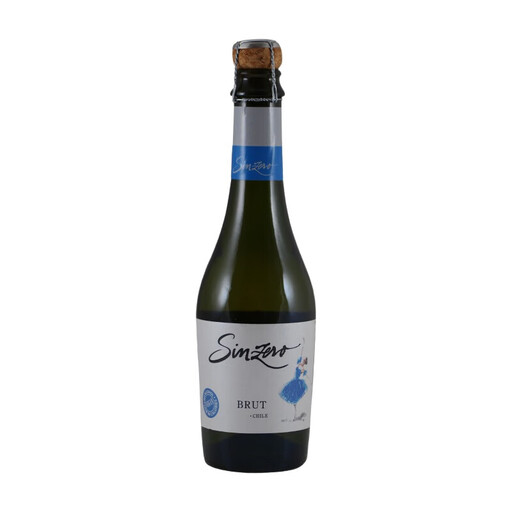
Why it suits this profile: Ideal for a celebratory occasion without choosing a standard sparkling wine.
The alcohol content is clearly stated as less than 0.5% vol. This means you do not have to rely solely on the term alcohol-free.
375 ml, carbonated and made with dealcoholised Chardonnay and grape must.
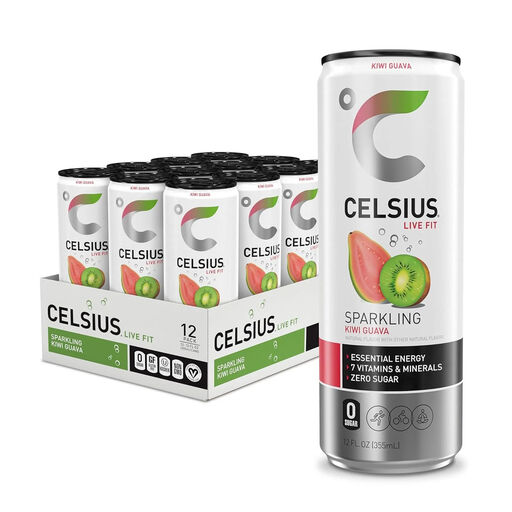
Why it suits this profile: The multipack is ideal for anyone who regularly wants to take a small can to work, university or on the go.
The packaging and nutritional information make it clear that this is a caffeinated energy drink. Check the warnings before use.
12 cans of 250 ml, 3 kcal and 0 grams of sugar per 100 ml according to the product information.
For a sweet, fruity flavour, SAGIKO Mixed Fruit Drink, Ice Talk Blueberry Ade and Haitai Bong Bong Peach are logical options to compare. If you are looking for a Korean drink with a soft grape flavour, consider Jardin Muscat Ade. For a light serving with fruit and dairy, Taksi is a distinctive choice; just be aware that it contains milk.
If you are looking for a sugar-free drink, compare the product information for OKF Aloe Vera Drink Sugar Free with that of the regular OKF Aloe Vera Drink Lychee. Check the current ingredients and nutritional values on the packaging for every variant. For stocking up at home, OKF Aloe Vera Drink Original 20 x 500 ml or KA Black Grape 24 x 33 cl is more practical than buying individual bottles.
We have put together a complete, up-to-date list of products that fully meet these strict selection criteria and the applicable European safety regulations.
Popular choices include ramune from Japan, aloe vera drinks, and muscat or fruit drinks from South Korea. Chinese soft drinks and Korean energy drinks are also often chosen for their distinctive flavours and packaging. Always compare the sugar content, serving size and ingredients.
This varies from product to product. As a general rule, store opened drinks in the fridge and follow the time limit shown on the packaging. Carbonation may diminish after opening. Refrigerated storage is particularly important for yoghurt drinks and drinks containing milk.
Not always. Sinzero Sparkling, for example, states an alcohol content of less than 0.5% vol. Therefore, check the exact alcohol percentage if you are looking for a drink without any alcohol residue.
