
Vandaag of morgen in huis

Kwaliteit gegarandeerd

Welkomstaanbiedingen ontgrendelen: GRATIS bezorging | Tot 80% korting | Gratis 30 dagen JoyPlus-proefperiode
Download de app
Asian drinks vary widely, from Japanese green tea and Korean drinks to coconut water, iced tea and tropical soft drinks. This broad selection makes comparing products appealing, but also challenging. Eye-catching packaging tells you little about the sugar content, the amount of fruit juice or what is included in a multipack.
So pay particular attention to these three common pitfalls:
Compare products on the same basis: per 100 ml, not just per bottle or can. Pay attention to the order of the ingredients. Water often comes first, followed by sugar, fruit juice concentrate, acids, flavourings and sweeteners.
As a result, a product with “fruit” on the front may still contain very little fruit juice. According to the product description, Cooling Hydration Huierkang Winter Melon Tea contains at least 5% concentrated winter melon juice. The drink also contains sugar, glucose-fructose syrup and sweeteners, among other ingredients. This makes it a sweetened Chinese herbal tea, not a sugar-free drink.
If you want to limit your sugar intake, you could consider products such as ITO EN Oi-Ocha Green Tea. According to the stated nutritional information, this Japanese green tea contains 0 grams of sugar and 0 kcal per 100 ml. Always check the packaging, however, as recipes and labels may change.
Not every Asian drink is the same:
Also pay attention to brand claims. According to FOCO’s own information, the brand’s coconut water contains 100% coconut water and no added ingredients. This is a product specification from the manufacturer, so compare it with the ingredients list on the packaging.
A 1-litre bottle is suitable for use at home and serving to several people. Smaller packs of 190 to 330 ml are more practical for lunch, travelling or an event. For business buyers, a soft drink multipack can simplify logistics, but calculate the price per litre or per serving before ordering.
Also check the storage instructions. Unopened coconut water can be stored outside the fridge for some products. Different rules often apply after opening: Grace, for example, advises keeping opened coconut water refrigerated and using it within two days. The product packaging remains the final authority.
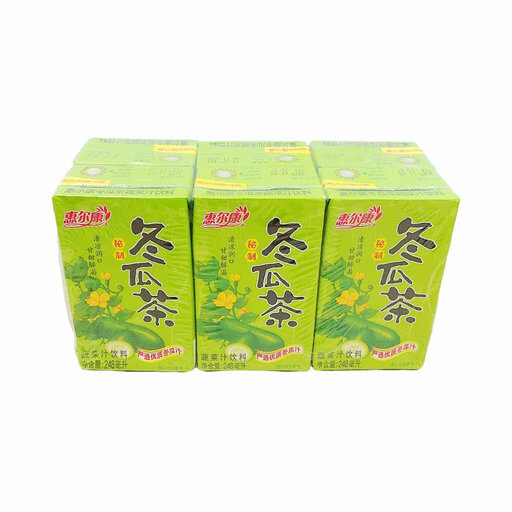
Why it suits this profile: The pack of six bottles is an easy introduction to Chinese herbal tea without committing to a large multipack straight away.
The product information clearly states at least 5% winter melon juice and lists 5.5 grams of carbohydrates per 100 ml. This makes it easier to assess how sweet it is.
248 ml per bottle, six bottles per pack and best served chilled. Ideal with meals or as a refreshing tasting pack.
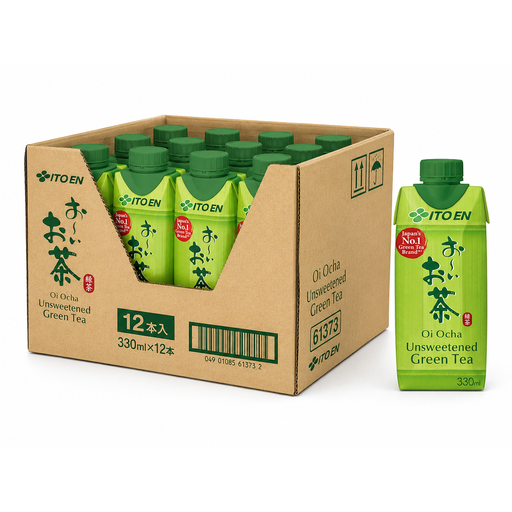
Why it suits this profile: If you want an unsweetened tea with clear product information, you get twelve portions of Japanese green tea in a compact format.
The ingredients list consists of water, green tea extract, antioxidants and an acidity regulator. The nutritional information states 0 grams of sugar and 0 kcal per 100 ml.
Sugar-free drink, 330 ml per bottle, from Japan and suitable for serving chilled.
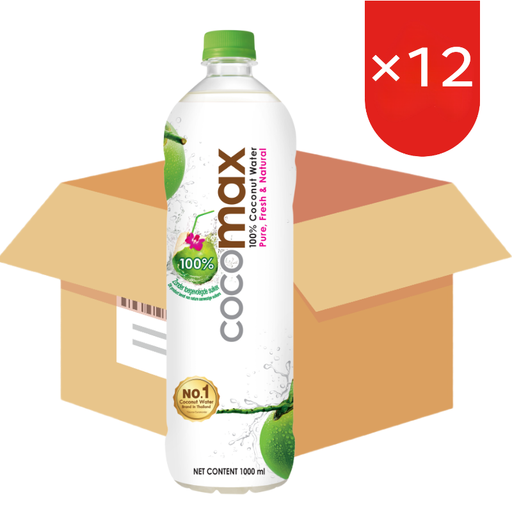
Why it suits this profile: The box of twelve one-litre cartons is ideal for offices, catering, events or households that regularly drink coconut water.
The product description states that it contains 100% coconut water with no added sugar. The nutritional information lists 4.5 grams of sugars per 100 ml; these are naturally occurring sugars.
Twelve 1-litre cartons, no added sugar and suitable for smoothies, mixed drinks or drinking chilled straight from the carton.
We have compiled a complete, up-to-date list of products that fully meet these strict selection criteria and the applicable European safety regulations.
For fans of Korean drinks, options include green grape drinks and pouches from Caffe Bene, McNulty and Ice Talk. Check the sugar content of these products: McNulty Green Grape Ade lists 13.2 grams of sugar per 100 ml. A pouch is particularly convenient for picnics or taking on the go, but must be refrigerated after opening.
For a tropical flavour profile, Fernandes Green Punch and coconut water are logical choices. Fernandes is a carbonated tropical soft drink containing sugar and sweeteners. FOCO Coconut Water comes in smaller 330 ml packs, while Grace and Cocomax focus on one-litre cartons for stocking up.
Iced tea is also available in a range of varieties. Lipton Ice Tea Green Zero lists 0 grams of sugar per 100 ml. According to the product information, Oishi Green Tea Honey Lemon contains 12 grams of sugar per 100 ml, making it a noticeably sweeter choice. So do not compare only the flavour name; check the ingredients and nutritional values as well.
ITO EN Oi-Ocha Green Tea and Lipton Ice Tea Green Zero list 0 grams of sugar per 100 ml. Always check the current label. “No added sugar” does not mean the same as “sugar-free”: coconut water contains naturally occurring sugars.
Store opened coconut water in the fridge and follow the instructions on the packaging. Grace states that it should be consumed within two days; FOCO recommends approximately three days. If in doubt, use the shorter period and check the smell, taste and packaging.
That depends on how much you consume and the price per litre. A multipack of 24 cans or twelve one-litre cartons is convenient if several people drink it. For occasional use, a smaller pack may work out cheaper, as you are less likely to be left with opened or unwanted drinks.
