
Vandaag of morgen in huis

Kwaliteit gegarandeerd

Welkomstaanbiedingen ontgrendelen: GRATIS bezorging | Tot 80% korting | Gratis 30 dagen JoyPlus-proefperiode
Download de app
Asian drinks are popular with fans of tropical flavours, plant-based alternatives and convenient ready-to-drink beverages. However, comparing labels properly can be tricky. Eye-catching packaging tells you little about the amount of fruit juice, sugar content or shelf life.
So pay particular attention to these three common pitfalls:
With a few simple checks, it is easier to find an Asian soft drink, tropical beverage or soya drink that suits the way you plan to use it.
Start with the ingredients list. Ingredients are listed in descending order by quantity. If sugar, fructose syrup or cane sugar appears near the top, it makes up a significant part of the recipe.
Also pay attention to the difference between:
For a fruit drink with no added sugar, it is worth checking both the fruit percentage and the nutritional values per 100 ml. This helps you avoid judging the product solely by the front of the packaging.
For individual use, cans of around 200 to 350 ml are easy to take with you. A 1-litre pack is better suited to breakfast, smoothies or use in the kitchen. For families, offices and catering businesses, a bulk pack of drinks may be more efficient.
Do not just compare the total price. Also look at:
For example, a drinks pack with twelve cans is handy for sharing, while six small packs of soya drink may be suitable if you want to use individual portions at a time.
Soya drinks generally contain soya, which is an allergen. Some varieties also contain cereals containing gluten, such as barley. Always check the current packaging, especially if you have an allergy or intolerance.
Tropical drinks often state that they should be served chilled. Unopened products usually need to be stored in a cool, dry place away from direct sunlight. Once opened, the drink should generally be kept in the fridge and used within the stated period.
Claims such as “vegan”, “gluten-free” or “free from artificial colourings” are product characteristics based on the available product information. Check the label and allergen information before buying, as recipes may change.
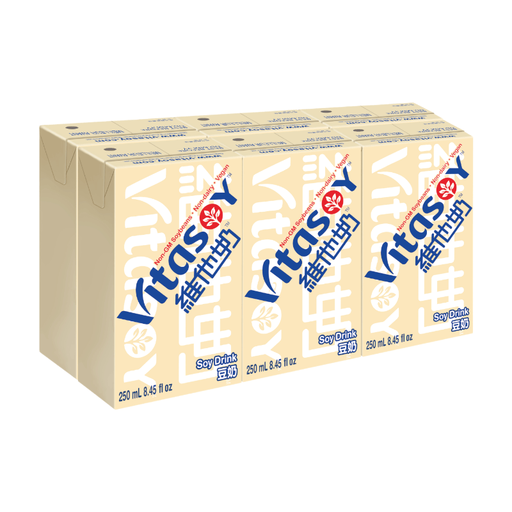
Why it suits this profile: The six 250 ml packs are a manageable choice for anyone wanting to try soya drink without immediately stocking up. The drink can be enjoyed chilled or used at breakfast and with desserts.
The ingredients list specifies soya and sugar, along with the nutritional values per 100 ml. This means you can check the sweetness and composition rather than relying solely on the word “plant-based”.
250 ml per pack, six packs per package and clear allergen information identifying soya.

Why it suits this profile: This option is aimed at anyone looking for coconut water with added texture. The product information states that it contains 100% coconut water, 2% real coconut pieces and no added sugar.
The stated fruit ingredient, volume per can and “no added sugar” claim are clearly described. This gives you a clearer idea of what to expect than packaging featuring only an image of a coconut.
12 cans of 330 ml, vegan according to the product information and ready to drink chilled.
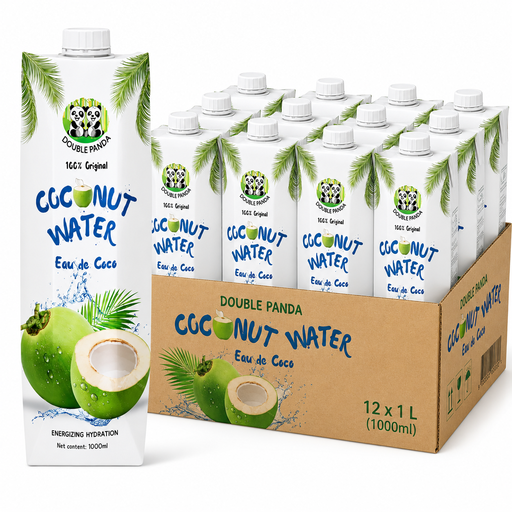
Why it suits this profile: The box containing 12 1-litre packs is designed for families, offices, cafés, caterers and recipes requiring larger quantities.
The product information clearly states both coconut water and cane sugar. This avoids confusion for shoppers expecting an exclusively unsweetened option.
12 litres in total, suitable for drinking chilled or using in smoothies, desserts and tropical recipes.
Other popular options include the 12-packs of passion fruit, mango, lychee, mangosteen and pink guava drinks from Iam Superjuice. According to the product information, these contain 30% fruit juice and no added sugar. If you prefer a distinctly sweet flavour, you could consider FOCO Sugar Cane Drink, Maaza Guava or Mogu Mogu Coconut Flavored Drink. With these products, it is particularly important to compare the sugar content, fruit percentage and any added ingredients.
We have put together a complete, up-to-date list of products that fully meet these strict selection criteria and the applicable European safety regulations.
Coconut water, soya drink, green tea, sugar cane juice and exotic fruit drinks such as mango, lychee, passion fruit and guava are popular choices. The right option depends on your preferences for sweetness, fruit percentage, pack size and when you plan to enjoy it.
Store unopened packs according to the label, usually in a cool, dry place away from direct sunlight. Once opened, a drink should generally be kept in the fridge. Follow the timeframe stated on the packaging and check cans or cartons for damage before opening them.
It can be, especially if you use it regularly in a family, office or catering business. Compare the price per litre and check that you will use the full quantity before it reaches its best-before date. For a new flavour, a smaller drinks pack is often a practical first step.
