
Vandaag of morgen in huis

Kwaliteit gegarandeerd

Welkomstaanbiedingen ontgrendelen: GRATIS bezorging | Tot 80% korting | Gratis 30 dagen JoyPlus-proefperiode
Download de app
The online selection of Asian drinks has grown enormously. From the Korean soju you see in K-dramas to authentic Chinese rice wine for cooking. But with more choice comes more confusion. Before you fill your digital shopping cart, it's wise to know what to look for. Many products look similar, and marketing terms can be misleading. This is how you avoid ending up with the wrong bottle.
As a Joybuy Product Recommendation Officer, I'm here to help you cut through the noise. Here are a few common pitfalls and how to navigate them.
soju flavours might be too sweet for others.Asian soft drinks and instant milk tea, an attractive package can hide a product that consists mainly of sugar and artificial flavourings.You don't need to be a label expert to make a good choice. By paying attention to a few key points, you'll know exactly what you're buying.
This is the most important distinction, particularly with rice wine. Check the label for its intended use.
Liaojiu): Such as Shaoxing or Huadiao wine. These are essential in Chinese cuisine for marinating meat and fish and deepening the flavour of dishes. They often contain salt and are not meant to be drunk on their own.Jiuniang or Mijiu): This is often a thicker, sweet substance with whole rice grains. It's used in Chinese desserts and soups and has a very low alcohol content.The variation is significant, especially with Korean soju and Japanese plum wine (umeshu).
A quick look at the ingredient list can reveal a lot, especially for non-alcoholic drinks. Are you looking for an Asian soft drink with an authentic fruit taste? Then check if it contains real fruit juice instead of just "flavouring". For instant milk tea, you can look at the type of tea used (e.g., oolong or black tea) for an indication of the flavour quality.
Below are a few highlighted products, matched to different preferences and use cases.
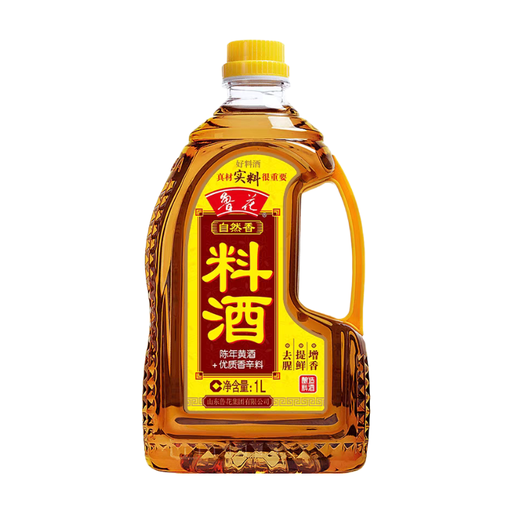
Why This Fits Their Persona: This is an essential pantry staple for anyone who wants to make authentic Chinese dishes. Perfect for marinating meat, flavouring stir-fries, or enriching stews.
This product is clearly a cooking wine. The label and description specify its use for cooking, helping you avoid the "rice wine" pitfall and not accidentally buying a salty wine for drinking.
Made from aged rice wine and spices for a deep, aromatic flavour. The large 1-litre bottle is practical for regular use in the kitchen.
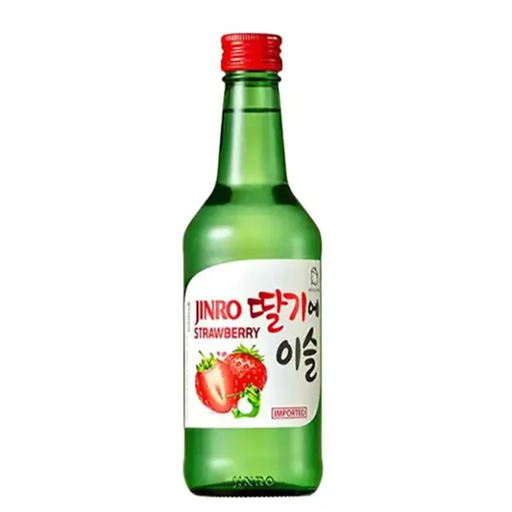
Why This Fits Their Persona: For those curious about the soju from Korean series, this is a perfect introduction. The sweet strawberry flavour and lower alcohol content make it an accessible drink for an evening with friends.
This product bypasses the "hype" pitfall. Instead of choosing a traditional, sharp soju, this bottle offers a clear flavour (strawberry) and a specified, lower alcohol content. You know exactly what you're getting: a smooth and fruity drink.
One of the most popular soju flavours from a well-known brand (Jinro). It's versatile: delicious served chilled, but also a great base for simple cocktails.
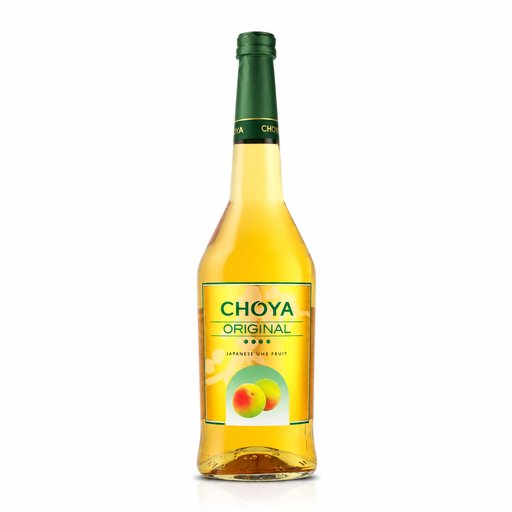
Why This Fits Their Persona: Ideal for those looking for an alternative to dessert wine or a liqueur. This Japanese plum wine is sweet, fruity, and smooth, perfect for drinking chilled or on the rocks after a meal or as an aperitif.
You're choosing an established and respected brand in the world of umeshu. This guarantees an authentic taste made from real ume plums, rather than a generic, overly sweet "plum wine" with artificial additives.
Authentic Japanese umeshu with no artificial colourings. The flavour is a balance between sweet and fruity, making it a sophisticated drink.
Whether you're looking for a specific soju flavour, want to try a bottle of makgeolli, or need the right cooking wine for your recipe, a wide range is available. Browse the full collection to discover more options.
Although both are made from rice, there are major differences. Japanese sake is brewed in a way that more closely resembles beer brewing and is meant for drinking. Its flavour can range from dry to sweet. Chinese rice wine is a broader category. Cooking wines like Shaoxing are salty and intended for dishes, while drinkable varieties like makgeolli (Korean) or sweet dessert wines (Jiuniang) have very different flavour profiles and applications.
Soju is traditionally drunk cold and neat from small glasses, often alongside Korean dishes like Korean BBQ or fried chicken. The fruity soju flavours are also popular in mixed drinks. A well-known mix is Somaek, a combination of soju and beer. You can also mix it with soft drinks like Sprite or sparkling water.
Makgeolli has a complex flavour profile. It is often slightly sweet due to the fermented rice, but it also has a characteristic sour, almost yoghurt-like undertone. It is cloudy, creamy, and lightly sparkling. There are also varieties with added flavours like chestnut or grape, which are typically sweeter than the original.
