
Vandaag of morgen in huis

Kwaliteit gegarandeerd

Welkomstaanbiedingen ontgrendelen: GRATIS bezorging | Tot 80% korting | Gratis 30 dagen JoyPlus-proefperiode
Download de app
The world of Asian drinks is vast and diverse, from the soft, earthy notes of Pu'er tea to the refreshing kick of a chilled soju. But with so much choice, it's easy to grab the wrong bottle. Perhaps you've accidentally bought a salty Chinese cooking wine for drinking, or fell for a beverage that promised to be "authentic" but wasn't.
As a Joybuy Product Recommendation Officer, I see the challenges consumers face every day. Let's cut through the marketing hype and look at what you really need to pay attention to. These are the most common pitfalls:
To avoid these mistakes, you don't need to be a connoisseur. You just need to know what to look for.
Before you add anything to your cart, check these three points. They will help you make an informed choice, whether you're looking for Korean drinks for a party or a specific Chinese cooking wine for a recipe.
The most important question is: what will you use it for? The difference often comes down to one ingredient: salt.
A quick look at the ingredient list and the country of origin can tell you a lot.
Not all Asian alcoholic beverages are the same. Buying soju is a different experience from choosing makgeolli.
To help you get started, we've selected a few products that suit different preferences and users.
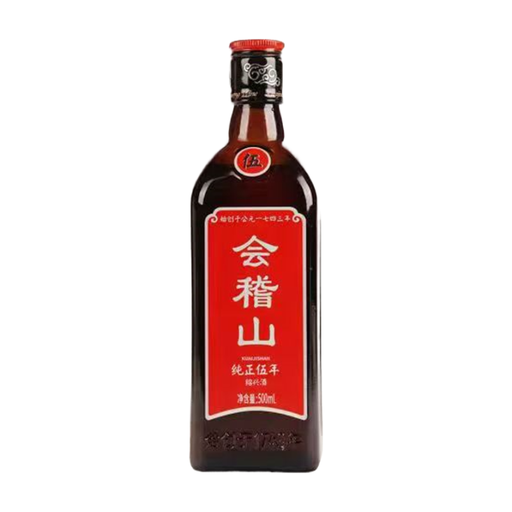
Why This Fits Their Persona: This user wants to bring the true taste of Chinese cuisine into their home. This Shaoxing wine is an essential ingredient for stews, marinades, and sauces that require a deep, authentic umami flavour.
This is unmistakably a high-quality cooking wine, not a drinkable rice wine. The "5-year aged" mention and its origin (water from Jianhu Lake) confirm it's meant to elevate dishes, not to be drunk neat.
The five-year aging process provides a rich aroma and a smooth, complex flavour. It is classified as a superior product according to the Chinese national standard.
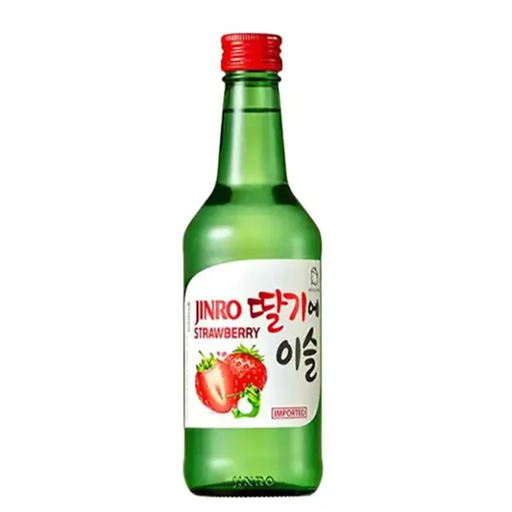
Why This Fits Their Persona: Inspired by K-dramas and Korean culture, this user is looking for the popular green bottles of soju. The strawberry flavour is approachable and perfect for a casual evening with friends.
This product is exactly what it promises: a popular, flavoured Korean soju. There's no risk of confusing it with other types of rice wine. The product name and packaging are clearly aimed at direct consumption.
The sweet strawberry flavour makes it an easy-drinking option. Its 13% alcohol content is relatively mild, making it suitable for drinking neat (chilled) or mixing into a cocktail.
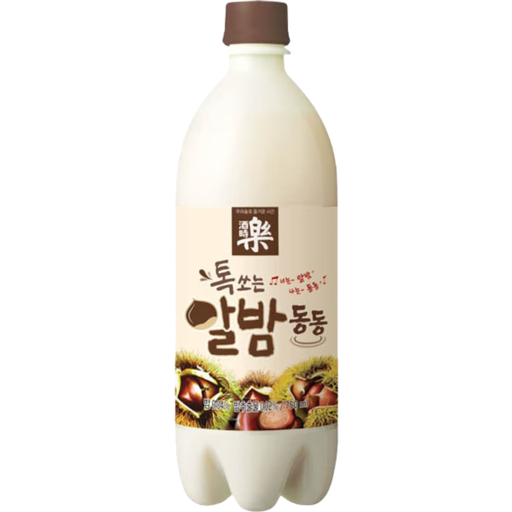
Why This Fits Their Persona: This user has moved beyond the standard options and is looking for something unique. This makgeolli combines a traditional Korean drink with the surprising, nutty flavour of chestnut.
The product name and description manage expectations well. It's clearly described as a "variation of Korea's classic rice wine" with a "creamy, slightly tart profile." This ensures you know you're buying a cloudy, unique beverage, not a clear sake or soju.
The combination of creamy, slightly sweet rice wine with a nutty aroma is unique. At 6% alcohol, it's a light, refreshing drink that pairs well with meals or serves as an excellent aperitif.
We have compiled a complete, up-to-date list of products that meet these selection criteria and current regulations.
Shaoxing wine is a specific, high-quality type of amber Chinese cooking wine from the Shaoxing region. The term "Chinese cooking wine" is broader and can refer to various types of rice wine intended for the kitchen. Shaoxing wine is known for its complex flavour and is often used in authentic recipes. Cheaper cooking wines may have a less profound taste and a higher salt content.
Soju is traditionally drunk neat and cold from small shot glasses. It's a social drink, meant to be shared. It's also popular to mix flavoured soju with sparkling water, soda (like Sprite), or even beer (a mix known as "somek").
Yes, makgeolli is best served cold. As it is an unfiltered drink, the sediment (rice particles) will settle at the bottom. Before opening, gently invert the bottle a few times to mix the contents. Pour it into bowls, as is traditional, and enjoy its refreshing, lightly sparkling taste.
