
Vandaag of morgen in huis

Kwaliteit gegarandeerd

Welkomstaanbiedingen ontgrendelen: GRATIS bezorging | Tot 80% korting | Gratis 30 dagen JoyPlus-proefperiode
Download de app
The Asian beverage aisle is constantly expanding, which is great news for lovers of authentic flavours. But with a growing selection, it's also becoming harder to find what you're looking for. Packaging may promise tropical surprises, but the contents can sometimes be a letdown. Before you fill your shopping cart, it's wise to know what to look for.
Many shoppers fall into a few common pitfalls:
To help you make the right choice, we've outlined a few practical points to consider.
A quick glance at the label can reveal a lot. Focus on these three points to be confident in your purchase.
The base of the drink determines its flavour and quality. When buying coconut water, for example, there's a significant difference between products.
The same applies to tropical fruit juices. Look for products labelled "not from concentrate" for a purer taste experience.
Many drinks from Asia are known for their balance of sweet, sour, and sometimes salty notes. Pay attention to how the sweetness is achieved:
You can taste the authenticity. A Thai beer like Singha beer or Chang beer, brewed in Thailand, offers a different experience than a locally brewed lager. The same goes for Vietnamese drinks or an energy drink from Thailand like Carabao; the recipe is often tailored to the local palate and pairs perfectly with the region's cuisine. Check the country of origin on the packaging if you're looking for a specific, authentic taste.
To get you started, we've highlighted a few popular choices that cater to different needs and preferences.
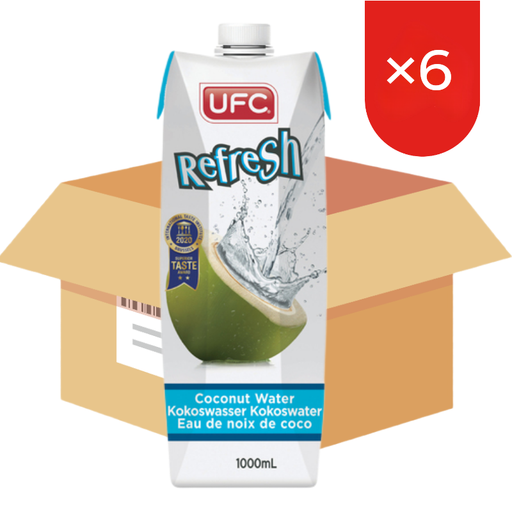
Why This Fits Their Persona: Ideal for those seeking pure hydration without any additives. This bulk pack is convenient for daily use, post-workout recovery, or as a base for smoothies.
This product sidesteps the "natural sugar bomb" pitfall. The label is clear: 100% natural coconut water, with no added sugars or preservatives.
Naturally contains minerals like potassium. Low in calories (23 kcal per 100 ml). According to the manufacturer, the product has won multiple awards for its taste.
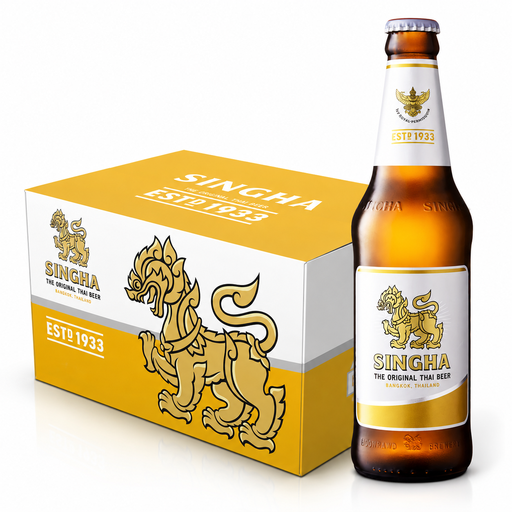
Why This Fits Their Persona: For those who want to bring the taste of Thailand home. This beer is a classic pairing for Thai meals, known for its refreshing character that complements spicy dishes well.
This isn't an "Asian-style" lager but an authentic Thai beer. It's brewed in Thailand using a recipe that has been popular in the country for decades.
Crisp, clean taste with a slight bitterness. Made from barley malt and hops. A reliable choice to accompany Asian cuisine.
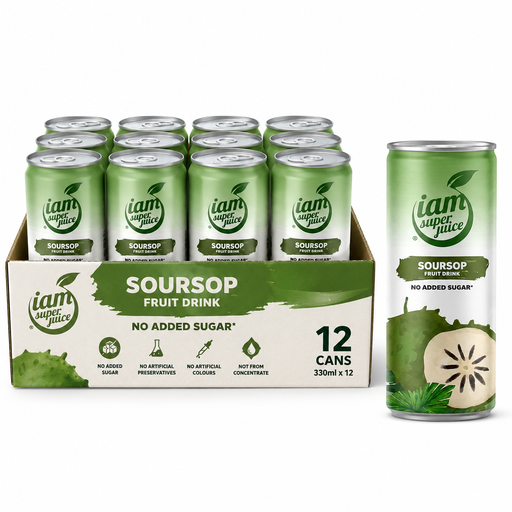
Why This Fits Their Persona: For those wanting to try something beyond the standard mango or lychee juice. Soursop (guanabana) is a tropical fruit with a unique, creamy, and fruity flavour reminiscent of pineapple and strawberry.
This drink is transparent about its contents. It is not from concentrate and contains no added sugars. The sweetness comes from the fruit itself and a touch of stevia.
Low in calories (18 kcal per 100 ml). Made with 30% pure soursop juice. A refreshing, not-too-sweet option from Vietnam.
We've curated a complete, up-to-date list of products that meet these selection criteria.
1. What is the difference between coconut water and coconut milk? Coconut water is the clear liquid from young, green coconuts. It's light, refreshing, and naturally low in fat. Coconut milk is made from the grated pulp of mature, brown coconuts and is much creamier and higher in fat. Coconut water is consumed directly, while coconut milk is more often used in curries and soups.
2. Which Asian drinks pair well with spicy food? A light and crisp Thai beer like Singha or Chang is a classic combination, as it balances the heat of the food without overpowering the flavours. Lightly sweet, refreshing drinks like pure coconut water or a mild iced tea also work well to cool the palate.
3. What is the best way to store Asian drinks? Most canned or boxed drinks, such as coconut water and juices, can be stored unopened in a cool, dark place. Once opened, they should be refrigerated and are typically good for a few days. Always consult the label for specific storage instructions. For the best taste, almost all Asian drinks are served chilled.
