
当日/次日达

品质保障

开启新人专享福利: 全场免邮 | 低至 2 折 | 免费试用 30 天 JoyPlus 会员
下载 Joybuy
The Asian drinks aisle, whether in-store or online, can be overwhelming. The colourful bottles and unfamiliar names make it difficult to choose. Sometimes your pick pays off, but other times you end up with a drink that's too sweet, has an unexpected texture, or simply doesn't taste like the packaging promised.
As a Joybuy Product Recommendation Officer, I'm here to help you see past the marketing fluff. In this guide, we'll discuss the most common pitfalls and give you objective tips to make the right choice.
Before you add anything to your cart, it's wise to be aware of a few common misconceptions.
To avoid a bad buy, you can pay attention to a few specific details on the label.
The ingredients list is your most important tool. Check how high "fruit juice" or "fruit puree" appears on the list. A higher percentage usually means a richer, more authentic flavour. If only "aroma" or "flavouring" is listed without a juice percentage, you likely have a flavouring-based drink. This is a key difference between quality tropical juices and simpler soft drinks.
Many Asian drinks and desserts owe their popularity to their unique texture.
The range extends beyond just juices. Ramune, for example, is a famous Japanese soda, renowned for its unique bottle sealed with a glass marble. For adults, there are also low-alcohol options like fruit-flavoured soju, a popular Korean beverage.
Below are a few popular choices, linked to different preferences.
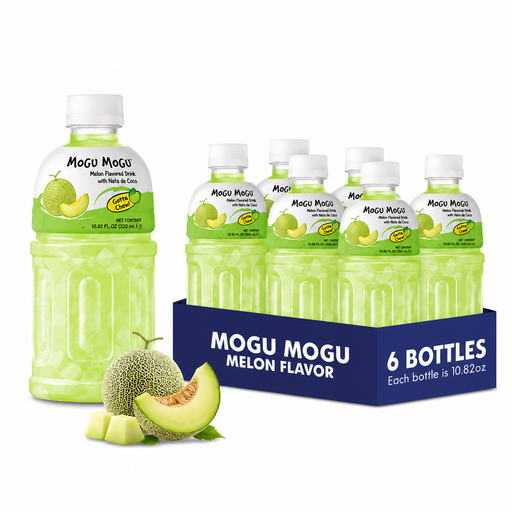
Why This Fits Their Persona: Mogu Mogu is a perfect starting point. It's known worldwide, and the combination of a sweet melon flavour with chewy nata de coco is a fun, accessible experience for anyone wanting to try something new.
This drink embraces the texture surprise; it's the main selling point. The name "Mogu Mogu" (Japanese for "to chew") makes it immediately clear what to expect.
Combines a drink with a snack-like experience. The six-bottle pack offers great value for a first introduction.
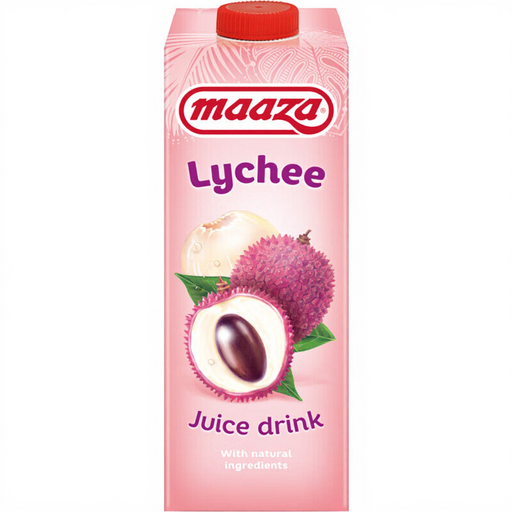
Why This Fits Their Persona: For those seeking an authentic lychee drink without the fuss. Maaza is known for its focus on pure fruit juices. This is a drink to keep in the fridge, to be enjoyed on its own or used in mocktails.
This product avoids the "fruit illusion" by using a substantial percentage (18%) of lychee puree. It delivers a full, recognisable fruit flavour and contains no unexpected textures.
Made with 18% lychee puree for a rich flavour. The one-litre carton is convenient and economical for regular use.
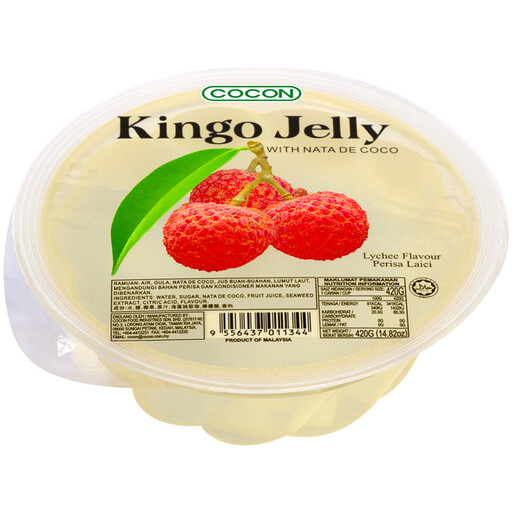
Why This Fits Their Persona: This isn't a drink, but a dessert. It's perfect for anyone looking for a sweet, fruity treat after a meal or as a snack. Ideal for parties or for sharing with the family.
By clearly positioning itself as a Cocon jelly dessert, it avoids any false expectations. You know you're getting a spoonable dessert, not a drink.
Convenient, individual portion cups with included spoons. A ready-to-eat treat that's best served chilled.
We've compiled a complete, up-to-date list of products that meet these selection criteria.
Nata de coco is a chewy, jelly-like substance produced by the fermentation of coconut water. It has a neutral, slightly sweet taste on its own and absorbs the flavour of the drink it's in. It is prized for the unique, springy texture it adds to drinks and desserts.
Opening a bottle of ramune is a small ritual. Remove the plastic seal from the cap. The cap contains a plastic plunger. Place this on the glass marble that seals the bottle and press down firmly. The marble drops into the bottle, releasing the carbonation. The indentations in the bottle's neck prevent the marble from blocking the opening while you drink.
The sugar content can vary widely. Some traditional teas are unsweetened or lightly sweetened, while many modern sodas and fruit drinks can be quite sweet. A good rule of thumb is to check the label for the grams of sugar per 100 ml. This allows you to make an informed choice that suits your taste preference.
