
Vandaag of morgen in huis

Kwaliteit gegarandeerd

Welkomstaanbiedingen ontgrendelen: GRATIS bezorging | Tot 80% korting | Gratis 30 dagen JoyPlus-proefperiode
Download de app
The online selection of Asian drinks can be overwhelming. From brightly coloured bottles to mysterious cans, the choice is immense. But how can you be sure you're buying something you'll actually enjoy? Many consumers fall into the same traps: a drink that turns out to be cloyingly sweet, has an unexpected texture, or simply doesn't taste as hoped.
As a Joybuy Product Recommendation Officer, I'm here to help you cut through the marketing hype. We'll look at the facts so you can make an informed choice. Let's discuss the most common pitfalls when buying Asian drinks and how you can navigate them.
Pitfall 1: The "Natural" Sugar Trap. Many exotic drinks are marketed as a healthy, fruity choice. The reality is often different. A glance at the ingredient list reveals that sugar or fructose syrup is sometimes the second or third ingredient, listed even before the actual fruit extract.
Pitfall 2: The Unexpected Texture. One of the unique characteristics of many Asian drinks is their texture. Pieces of aloe vera, jelly (nata de coco), or fruit pulp can be a surprise if you're expecting a smooth beverage. This isn't a product flaw, but a cultural feature that actually enriches the drinking experience—if you know what to expect.
To avoid ending up with a pantry full of disappointments, here are a few specific points to check. This will help you confidently choose exotic drinks that suit your taste.
The order of ingredients is crucial. Is sugar (sucrose, glucose-fructose syrup) at the top of the list? Then it's likely more of a sugar drink than a fruit drink. Look for the percentage of actual fruit juice, puree, or pulp. A higher percentage often indicates a richer, more authentic flavour.
Asian drinks often play with texture. This is an important part of the experience. Know what the terms mean:
The selection is more diverse than just soft drinks. Consider the different categories:
Not every drink is for everyone. Below, we match some popular choices to different taste profiles to help you find what you're looking for more easily.
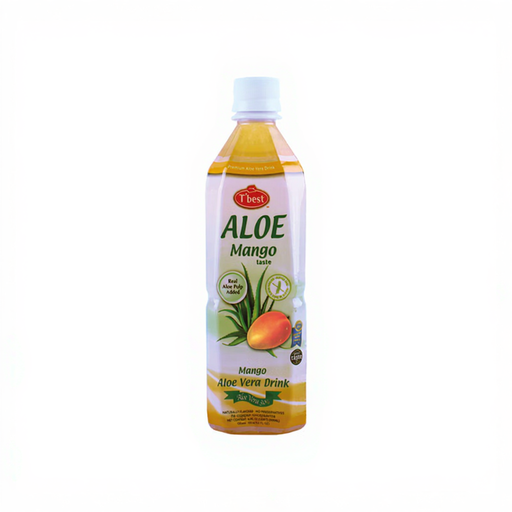
Why This Fits Their Persona: Perfect for those who are curious about drinks with texture but still want a familiar, sweet flavour. The combination of mango and soft aloe vera pieces is an accessible first step off the beaten path.
This avoids the 'unexpected texture' pitfall. The product description is clear about the 30% aloe vera juice and pulp, so you know you're getting a drink with a bit of a bite.
Refreshing and hydrating with a distinct tropical flavour. The pulp pieces make it a more filling and interesting drink than a standard juice.
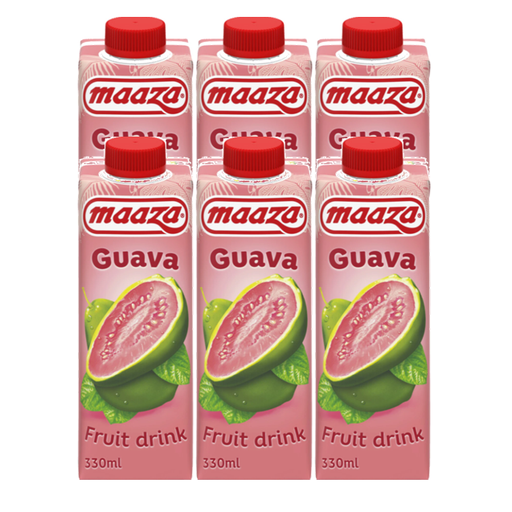
Why This Fits Their Persona: For those seeking an authentic, no-frills tropical taste. The flavour of guava is unique, often described as a mix of pear, fig, and quince. Ideal for a sunny day.
This sidesteps the 'natural sugar trap'. While it contains sugar, the main ingredient after water is guava juice from concentrate (16%). The product focuses on pure fruit flavour, without artificial additives.
Made from pure fruit puree for a full-bodied, aromatic flavour. A well-known and trusted brand in the tropical drinks segment.
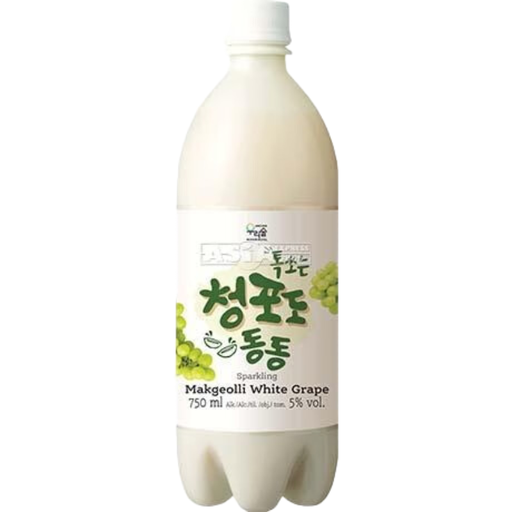
Why This Fits Their Persona: For those who want to try an authentic, traditional beverage. Makgeolli is an unfiltered, lightly sparkling Korean rice wine. This white grape variant is a modern, approachable take on a classic.
This product is the definition of authenticity. It's not an imitation but a genuine Korean rice wine. Its creamy, milky texture is unique and a true discovery for anyone looking to venture beyond beer or wine.
A unique, creamy, and lightly sparkling drinking experience. The moderate 5% alcohol content makes it a social and approachable drink, perfect for pairing with spicy dishes.
The selection is much larger. If you're looking for more inspiration, from Vietnamese coffee to refreshing coconut water, you can browse our full range.
Most drinks, especially those with fruit or dairy products, should be refrigerated after opening and consumed within a few days. Always reseal the bottle or carton tightly. To be safe, always check the storage instructions on the packaging.
Coconut water is the clear, thin liquid you get directly from a young, green coconut. It is naturally slightly sweet and very hydrating. Coconut milk, on the other hand, is made by pressing the white flesh of a mature, brown coconut. It is much creamier, higher in fat, and more commonly used in cooking.
Yes, absolutely. The pieces of aloe vera, nata de coco, or pulp in fruit drinks with pulp are an intentional part of the drinking experience. They add a playful, chewy texture that is popular in many Asian countries. It's meant to be both drunk and 'eaten' at the same time.
