
Vandaag of morgen in huis

Kwaliteit gegarandeerd

Welkomstaanbiedingen ontgrendelen: GRATIS bezorging | Tot 80% korting | Gratis 30 dagen JoyPlus-proefperiode
Download de app
Buying Asian food online is convenient, but product packaging doesn’t always tell you exactly what you’re getting. A colourful packet might give the impression that a drink is packed with fruit, when in reality the fruit juice content is quite limited. Similarly, a breakfast product made with grains and beans can still contain a fair amount of sugar or added glucose.
This guide helps you compare Asian drinks and breakfast cereals using verifiable information. You’ll find key points to look out for with Korean drinks, soy milk, instant cereals, grain porridge and plant-based proteins, along with a few suitable product choices for different situations.
A product labelled pomegranate drink doesn’t automatically contain a high percentage of pomegranate juice. Always check the ingredients list and the quantitative ingredient declaration. Rubicon Pomegranate Juice Drink, for example, states 23% pomegranate juice and 5% aronia juice. The rest is made up of water, sugar, acidity regulator, flavouring and vitamin C.
Even an aloe vera drink with pomegranate flavour may get its taste mainly from flavouring and sweeteners. So don’t just look at the front of the pack – check the nutritional information per 100 ml too.
Instant breakfast cereals are often a blend of grains, milk or soy powder, sugar and other ingredients. The Family Whole Red Bean Oats Multigrain Cereals lists 26.4 grams of sugar per 100 grams for the grain mix. The included pure glucose contains 89.1 grams of sugar per 100 grams according to the product information.
That doesn’t make the product unsuitable, but it’s important information for deciding your portion size. You can keep the glucose separate and decide for yourself whether to add it.
Asian breakfast cereals frequently contain soya, wheat, oats, barley, rye or sesame. A product may look plant-based but still contain milk powder. Family Whole Oat Milk Cereal Powder, for instance, contains soya, oats, wheat and 5% whole milk powder.
If you have an allergy, always check the actual label on the packaging. Product information online can change and is not a substitute for the legal allergen declaration.
Look out for these points:
Always read product claims about nutrients alongside the official nutrition table. According to the product description for V-SOY Original Soy Drink, this drink contains 3.1 grams of protein, 64 kcal and 4.7 grams of sugar per 100 ml. The drink is also enriched with vitamins and minerals as per the stated product specifications.
For busy mornings, portion sizes matter. The Family Whole range comes as 20 sachets of 35 grams for the grain mix. According to the instructions, you add roughly 175 ml of boiling water. That’s handy for the office or on the go, but make sure you have access to hot water.
A 1-litre pack, like V-SOY Original Soy Drink, is better suited to a household that uses several glasses or also wants to use the drink in coffee, smoothies and recipes. A 190 ml pack, such as Korean drinks from SAHMYOOK, is ideal for a single serving. Shake these drinks before use and store an opened pack in the fridge as per the label.
Powders should generally be stored in a cool, dry place and kept tightly sealed. Once opened, drinks usually need to be refrigerated. With fruit juice, aloe vera drinks and soy milk, pay attention to the seal, keep them out of direct sunlight and follow the recommended period after opening.
For baby products, there are extra considerations. Bambix Drinkable Porridge Biscuit is suitable from 12 months according to the product information. Only use products like this in line with the age guidance, preparation instructions and storage advice on the packaging.
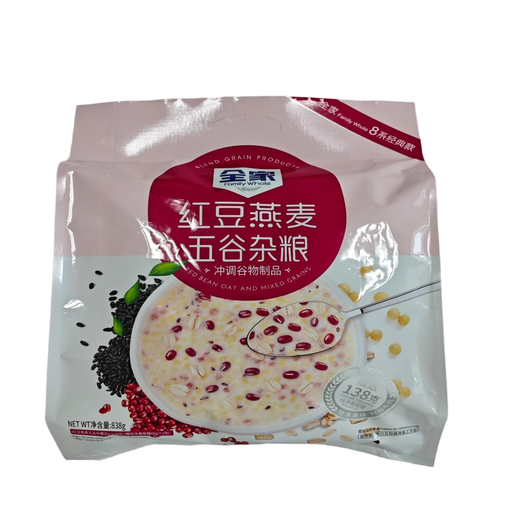
Why this fits the profile: The sachets make it easy to prepare instant breakfast cereals per portion without having to weigh out a large amount.
The product information lists the grain mix and the glucose separately. This makes it clear exactly what you’re adding.
20 sachets of 35 grams; contains oats, five grains and 2% red bean powder according to the ingredients list.
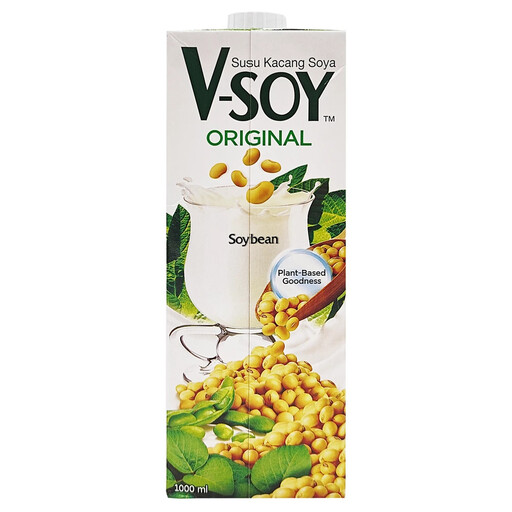
Why this fits the profile: The 1-litre pack is practical for daily use in a family, with breakfast cereals or in coffee.
The product information lists soya and gluten from barley. This allows you to assess the drink more accurately for allergens.
64 kcal and 3.1 grams of protein per 100 ml according to the stated table; suitable for breakfast, smoothies and hot drinks.
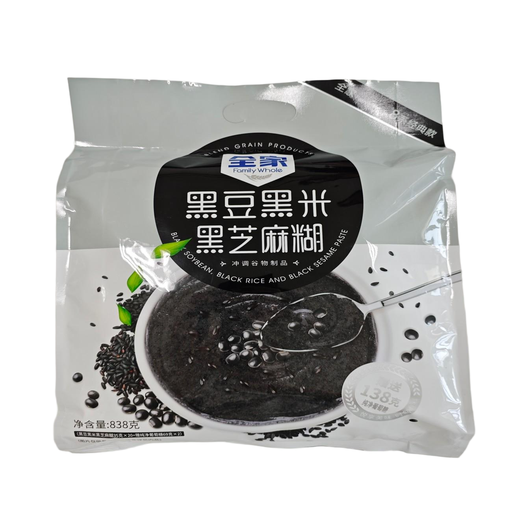
Why this fits the profile: This grain porridge is aimed at fans of roasted, nutty flavours and a steady supply for multiple breakfast or snack occasions.
The composition states 15% black sesame, 10% black rice and 8% black soya. This means you can get a better idea of the flavour in advance.
20 portions of 35 grams; prepare with roughly 175 ml of boiling water and lists soya and sesame as allergens.
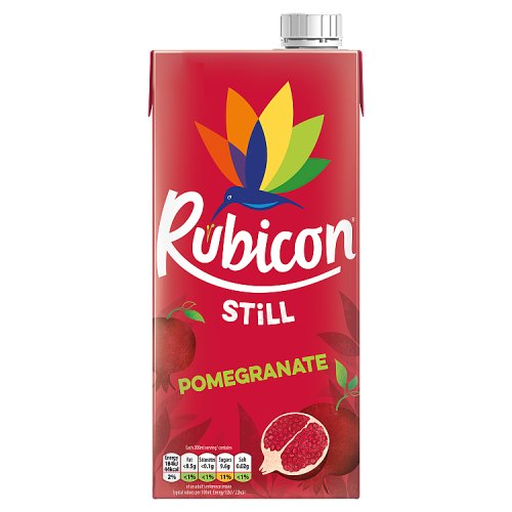
Why this fits the profile: The sharing pack is handy for mealtimes or when several people want a chilled fruit drink.
The juice percentage and nutritional values are stated, so you don’t have to judge the fruit claim based on the flavour name alone.
21 kcal per 100 ml, 0 grams of fat and 0.01 grams of salt according to the product table; suitable for vegan diets according to the description.
We’ve put together a full, up-to-date list of products that fully meet these strict selection criteria and comply with current European safety regulations.
In practice, both terms are often used for drinks made from soya. The key is to look at the ingredients list, the soya content, the amount of sugar and any added vitamins and minerals. Also check for allergens such as soya and gluten from barley.
Usually you add hot water to the powder and stir until the mixture is smooth. With the Family Whole products mentioned, it’s roughly 175 ml of water per 35-gram sachet. Use the exact ratio on the packaging, as the desired thickness varies from product to product.
That depends on the product. An opened soy drink or fruit drink should generally be stored in the fridge and used within the time stated on the label. Seal the pack well and don’t drink from a bottle that has been left out of the fridge for a long time. For powders, cool, dry and airtight storage is important.
