
Vandaag of morgen in huis

Kwaliteit gegarandeerd

Welkomstaanbiedingen ontgrendelen: GRATIS bezorging | Tot 80% korting | Gratis 30 dagen JoyPlus-proefperiode
Download de app
Asian drinks offer much more variety than standard soft drinks from Asia. You’ll find tropical fruit drinks, jasmine tea, coconut water, Thai iced tea, mango drinks and instant mixes, among other options. However, comparing them online can be tricky. Colourful packaging tells you little about the fruit content, sugar levels or how practical a multipack will be.
With this guide from the Joybuy Product Recommendation Officer, you can compare Asian drinks using details you can check. That way, you can avoid a disappointing purchase and choose a drink that suits your household, tastes and occasions.
A product can taste of mango, lychee or soursop without containing a high proportion of fruit. So check the ingredients list and fruit content. For example, Maaza Guava lists 16% guava juice from concentrate, while Wicky Mango contains 0.2% mango juice from concentrate, according to the product information.
That doesn’t automatically mean one product is suitable and the other isn’t. The main difference is what to expect: if you’re looking for a pronounced fruity taste, the fruit content is an important point of comparison.
Sugar-free drinks sometimes contain sweeteners such as sucralose or acesulfame-K. According to the label, Wicky Mango contains less than 0.1 grams of sugar per 100 ml, along with sweeteners and added vitamin C. Mogu Mogu Zero Tropical Delight is also sold as a sugar-free drink, with nata de coco and tropical fruit flavours.
So always read the full nutritional information. Look out for the difference between “no added sugar”, “sugar-free” and products that contain naturally occurring sugars.
A large pack is handy for families, offices, food service or parties, but check the use-by date, storage space and serving size first. A case of 24 cans may be practical for regular use, while six small bottles may be better for taking with you individually.
Compare the price per litre, not just the price per pack. Also check whether a product needs to be refrigerated after opening and used within the stated period.
Start by checking the order of the ingredients. They are generally listed in descending order by quantity. Foco Tamarind Juice, for example, lists water, tamarind pulp and sugar. According to the product information, Maaza Guava contains water, guava juice from concentrate and sugar.
If you have a particular flavour in mind, you could look for:
If you have allergies, always check the current label. Online product information may change.
Compare the values per 100 ml. This makes it easier to compare different pack sizes. For example, Nestlé Citrus Jasmine Tea lists 11 kcal per 100 ml, 2.5 grams of carbohydrates and no sugar in the nutritional information provided. However, the product does contain sweeteners.
Instant products work differently. Ranong Tea 3 in 1 lists around 58 kcal and 10 grams of sugar per 100 ml of prepared drink. The mix also contains milk powder and needs to be made with water. So instant Thai tea isn’t directly comparable with a ready-to-drink beverage.
Check the total volume and number of servings:
Store drinks according to the label, away from direct sunlight, and refrigerate after opening if instructed. Check the seal or packaging on cans and bottles before use.
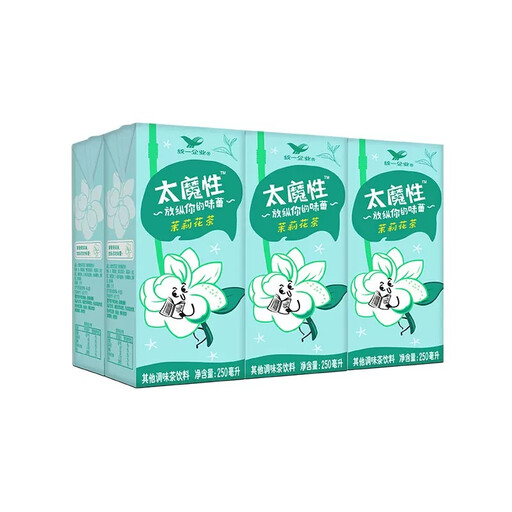
Why it suits this profile: Six 250 ml servings make this an easy introduction to Asian jasmine tea, without having to buy a large quantity straight away.
The product information gives specific nutritional values and a serving size. Do check the current label, though, as the sweetener and ingredient details on the packaging are the definitive guide.
Ready to drink, with six 250 ml bottles and, according to the product information, 0 kcal and 0 grams of sugar per 100 ml.
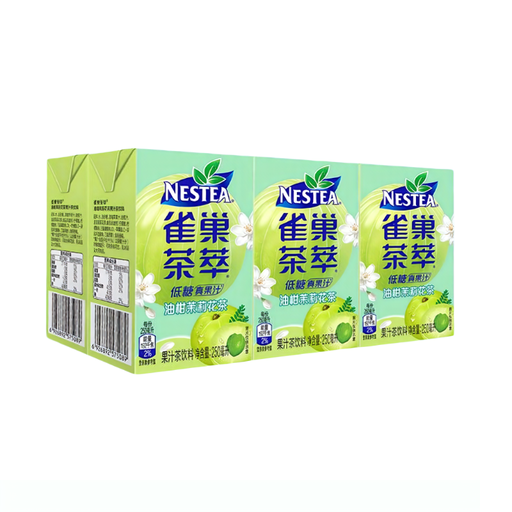
Why it suits this profile: This blend of jasmine tea and Gannan fruit juice is a good fit for shoppers looking for a distinctive flavour profile and clear product information.
The fruit content of at least 5% and the ingredients are listed. Serve the drink chilled and use it within 24 hours of opening.
Six 250 ml bottles, 11 kcal per 100 ml according to the nutritional information provided, and a blend of tea and fruit juice.
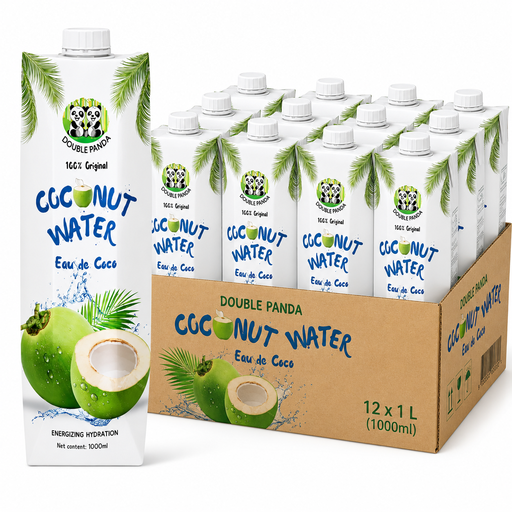
Why it suits this profile: This bulk pack is aimed at families, offices, food service and catering businesses with a regular need for coconut water.
The pack size is clearly stated as 12 × 1 litre. Check that you have enough storage space before buying, and note that cane sugar has been added.
A large supply in 1-litre cartons and, according to the product information, 23 kcal per 100 ml. From Vietnam.
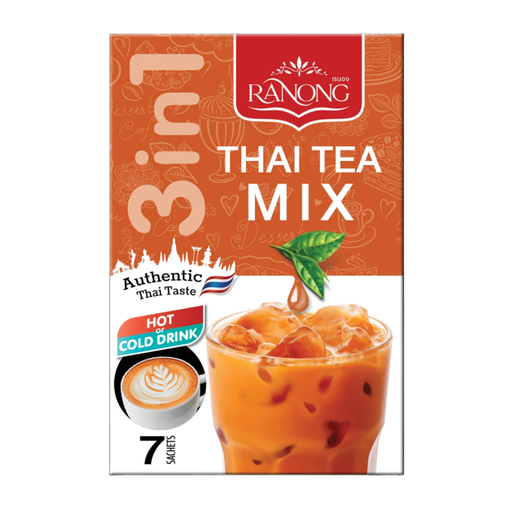
Why it suits this profile: The individual sachets are suitable for home, the office or taking with you. You can make the mix hot or serve it over ice as Thai iced tea.
The preparation instructions and nutritional values per prepared drink are provided. Bear in mind that it contains milk powder and sugar, and that you’ll need to add water and, if you like, ice.
Seven individual sachets, suitable for hot or cold drinks, with black tea and milk powder according to the product information.
We’ve put together a complete, up-to-date list of products that meet these strict selection criteria and the applicable European safety regulations.
Compare the nutritional values per 100 ml and check for sweeteners too. According to the product information, Mogu Mogu Zero Tropical Delight and Wicky Mango are sold as sugar-free. That doesn’t automatically mean they’ll suit everyone’s taste or needs. Always check the current label.
Keep an opened drink in the fridge and use it within the period stated on the packaging. For example, the Nestlé jasmine tea label says to consume within 24 hours of opening. For fruit juice, coconut water and soft drinks, it’s also a good idea to seal the container properly and follow the storage instructions.
That depends on the price per litre, pack size and how often you’ll use it. A multipack is often practical for families, offices or food service, but a large bulk pack may not be the best choice if you haven’t tried the flavour before. So compare a smaller pack with a multipack first, and check that you have enough storage space.
