
Vandaag of morgen in huis

Kwaliteit gegarandeerd

Welkomstaanbiedingen ontgrendelen: GRATIS bezorging | Tot 80% korting | Gratis 30 dagen JoyPlus-proefperiode
Download de app
Asian dried fruit snacks are perfect for on the go, at the office, or for sharing at home. Think dried mango, strawberry slices, candied pineapple, hawthorn strips and a traditional Chinese plum snack. But an eye-catching packet doesn’t always tell you everything you need to know about what you’re buying.
Pay particular attention to three common pitfalls:
Don’t just look at the name on the front – check the ingredients list and the quantitative ingredient declaration. For example, MUSHAN BASE Dried Mango 50g states a minimum of 79.5% mango. The product also contains sugar, glucose syrup, maltose syrup, acidity regulator E330, preservative E223, humectant E422 and flavouring.
Candied pineapple lists a minimum of 75% pineapple, alongside sugar and various syrups. That helps explain the flavour and soft texture. A product with just dried fruit and sugar, like the ingredients list for MUSHAN BASE Dried Strawberry Slices 50g, has a much shorter list.
Also look out for terms like candied, sweetened and fruit purée. A fruit purée in a squeezy pouch is practical, but has a different texture and use case to dried snacks.
Nutritional information is usually given per 100g. That makes comparison easier, but a packet doesn’t always contain 100g.
Examples from the product information:
These figures don’t tell you whether something is right for you personally, but they do help with an objective comparison. For hawthorn strips and a Chinese plum snack, the salt content is also relevant. Always check the actual packaging, especially if you’re sensitive to sulphites or other ingredients.
Some Asian snacks contain sulphites. These are listed, for example, on MUSHAN BASE Dried Mango, candied pineapple, Be&Cheery King Plum Bucket and X.O Salted White Plum. The hawthorn strips contain gluten according to the product information.
Store dried fruit in a cool, dry place, away from direct sunlight and moisture. After opening, it’s important to reseal the pack properly. Individually wrapped portions are practical for a bag, desk drawer or lunchbox, and also limit how often the rest of the pack is exposed to air and moisture.
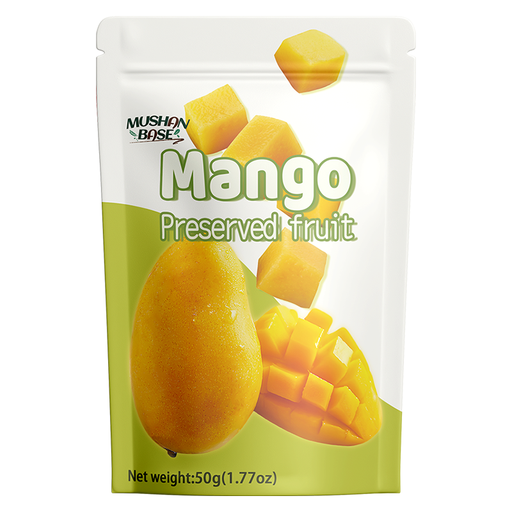
Why it fits the profile: The 50g size is manageable for anyone wanting to try dried mango without buying a large stock straight away. According to the product description, the portions are individually wrapped.
The minimum fruit content of 79.5% is clearly stated. You can check the added sugars and E223 beforehand.
50g net weight; mango as the main ingredient; described as soft and chewy in the product information.
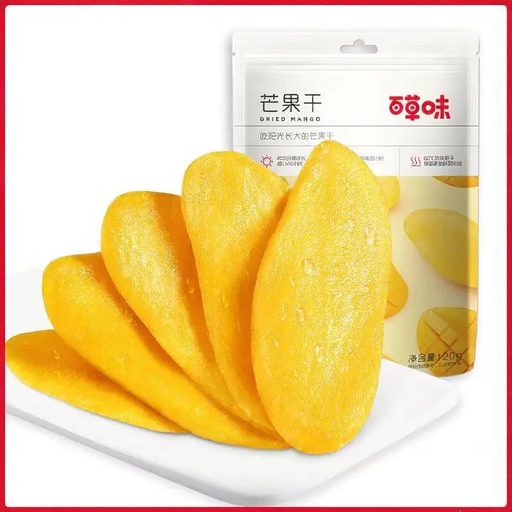
Why it fits the profile: The 120g pack suits anyone who eats mango more often and wants a larger supply. The product description lists mango, sugar, citric acid and potassium sorbate.
The ingredients list and nutritional values are available, so you can compare claims about colour and composition with the label.
120g pack; described as free from artificial colours in the product information; ready to eat.
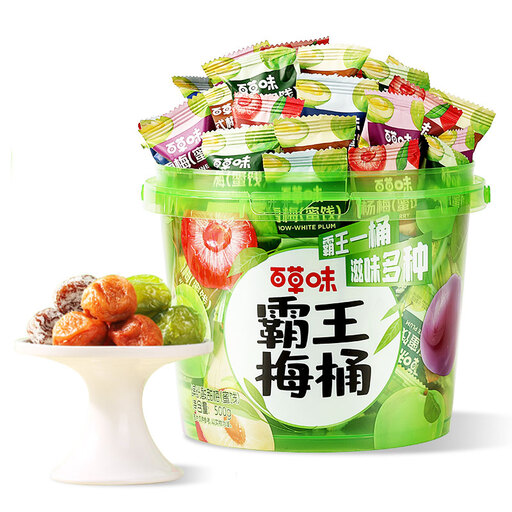
Why it fits the profile: The bucket contains 70 individual packs, making it ideal for sharing, stocking up, or enjoying a sweet-and-sour fruit snack regularly.
The number of individual packs is clearly stated. Do check the long ingredients list, which includes sweeteners, sulphites and colour E124.
500g total weight; five varieties of plum; 70 individual portions.
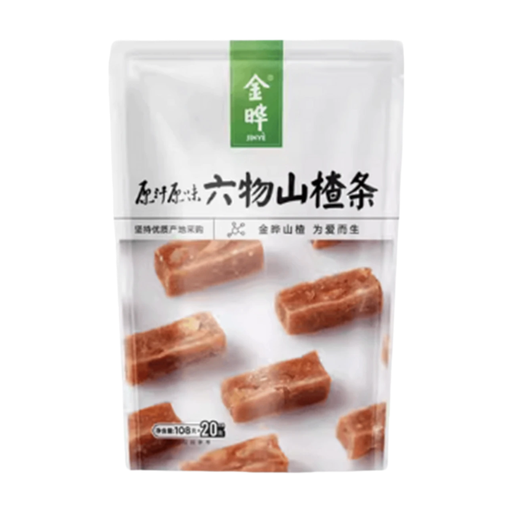
Why it fits the profile: Hawthorn strips have a different flavour and texture to dried mango. This product combines hawthorn with dried mandarin peel, yam, red dates, poria and malt.
The six listed ingredients make it clear this isn’t a simple single-fruit snack. Gluten is listed as an allergen.
128g pack; described as having a sweet-and-sour flavour; ready to eat.
We’ve put together a full, up-to-date list of products that fully meet these strict selection criteria and comply with current European safety regulations.
Small packs of 50 to 70g are easy to take with you. Individually wrapped snacks, such as certain mango, hawthorn and plum products, are practical when you don’t want to open the whole pack at once. Check the seal beforehand and keep the product dry.
No. Many products contain sugar, glucose, maltose syrup or other sweeteners alongside the fruit. Always check the ingredients list and the nutritional information per 100g. Even with dried strawberries, dried dates and dried dragon fruit, the composition can vary by brand and pack.
The best-before date is on the pack. Store the snack according to the instructions given – usually in a cool, dry place away from direct sunlight. After opening, reseal the pack properly and use the product as directed on the label. If you’re unsure about the smell, colour, packaging or texture, it’s best not to eat it.
