
Vandaag of morgen in huis

Kwaliteit gegarandeerd

Welkomstaanbiedingen ontgrendelen: GRATIS bezorging | Tot 80% korting | Gratis 30 dagen JoyPlus-proefperiode
Download de app
Asian dried fruit snacks are handy for on the go, at the office, or for sharing. The range includes dried mango, strawberries, candied pineapple, prunes, longan and nuts. Yet choosing a bag can sometimes be trickier than it seems. One snack is mostly fruit, while another contains lots of sugar, salt, sweeteners or preservatives.
If you only look at the front of the packaging, you could end up buying a product that doesn't suit your taste or the occasion you need it for. With this practical checklist, you can compare dried fruit, candied fruit and Chinese snacks based on verifiable information.
A product with a high proportion of mango or pineapple can still contain added sugar, glucose or syrup. So don't just look for words like "fruity" or "natural" – also check the quantitative ingredient declaration.
For example, MUSHAN BASE Dried Mango states mango ≥ 79.5%. The product also contains sugar, glucose syrup and malt syrup. This explains its soft, chewy texture and sweet-sour flavour, but it's different from fruit that has been dried without added sugar.
The term "healthy snack" doesn't give you the full picture of what's inside. Dried fruit often contains less water than fresh fruit, which means the flavour and nutrients per 100 grams are more concentrated. Candied fruit also frequently contains sugar or syrup.
So compare the nutritional values per 100 grams and the portion size. An individual 50-gram bag can be practical, but the pack may still contain a significant amount of carbohydrates or sugars.
Many Chinese snacks use ingredients such as citric acid, preservatives or sulphites. This is important information for anyone with an allergy or sensitivity. Always check the current label on the packaging.
Examples from this range include:
Start with the first ingredients on the label. Ingredients are listed in descending order by weight. A higher fruit percentage can indicate a more pronounced fruit flavour, but it doesn't automatically tell you about the sugar content or texture.
With dried strawberries, mango and pineapple, look out for the difference between:
For dried prunes, hawthorn snacks and salted plums, salt and sweeteners are also important. If you're after a sweet-sour snack, that flavour balance might be exactly what you value. If you want to reduce your salt intake, compare the "salt" or "sodium" value per 100 grams.
Use the table per 100 grams to compare products fairly. Portion packs vary widely – from 50 grams to a 500-gram bucket.
Examples:
These figures show that "fruit" and "nuts" suit different occasions. A nut mix with dried fruit, for example, can be more filling thanks to the combination of fats, protein and carbohydrates, but it also contains more energy per 100 grams. This isn't a health claim – it's a practical comparison of nutritional values.
For a snack on the go, small packs, resealable bags or individually wrapped portions are handy. Also check:
Dried longan, for example, is intended for porridge, soup or tea and, according to the product information, needs to be washed and cooked. Dried dates and pitted jujubes, on the other hand, are ready to eat and can also be used in desserts or tea.
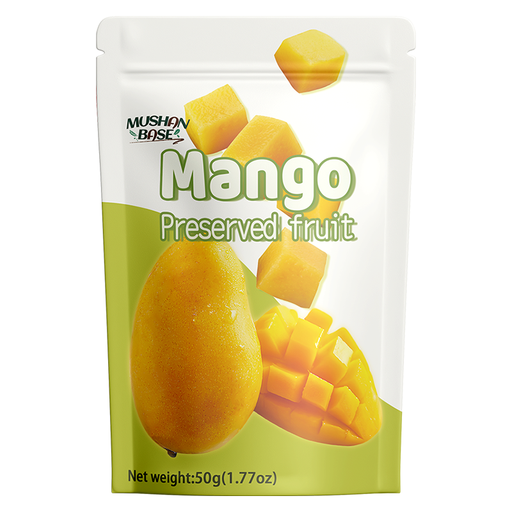
Why this fits the profile: A 50-gram bag is straightforward for anyone trying dried fruit for the first time or looking for a small portion to take on the go.
The fruit percentage and added sugars are clearly stated, so you don't have to rely solely on the product image.
50 grams, ready to eat, individually wrapped and a soft texture. Note the mention of sulphites.
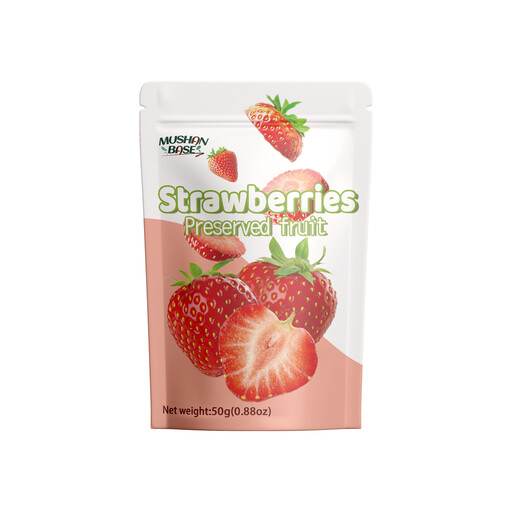
Why this fits the profile: Ideal for those who value a clear strawberry flavour and a chewy texture over a large family pack.
The ingredients list is short: dried strawberries and sugar. This makes the composition quick to check.
50 grams, ready to eat and suitable as a topping for yoghurt or desserts. The nutritional information states 57.4 grams of sugars per 100 grams.
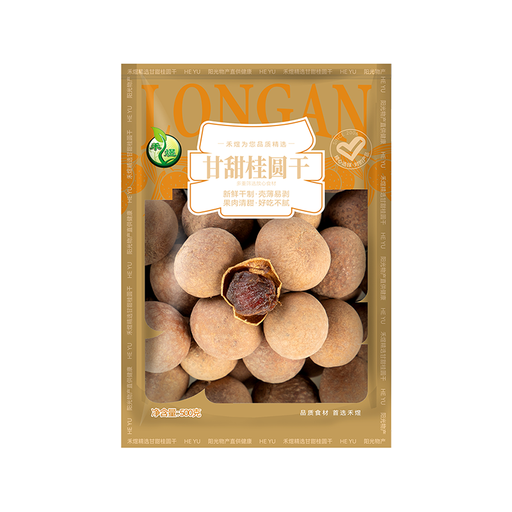
Why this fits the profile: The 500-gram pack suits households that regularly use dried longan in tea, soup or porridge.
The usage instructions state that washing and cooking are required. This prevents it from being accidentally chosen as a ready-to-eat snack.
500 grams, single ingredient and suitable for multiple preparations. Store in a cool, dry place and use the product immediately after opening as per the packaging.
Alongside these three options, there are snacks to suit a wide range of preferences. Bestore Candied Hawthorn and O'Say Fructus Crataegus are ideal for fans of a soft, sweet-sour hawthorn snack. Be&Cheery Various Dried Plum and X.O Salted White Plum have a stronger sweet, sour and salty flavour. For a larger stock, dried dates, pitted jujubes or walnuts are a good choice.
For a broader comparison, also check out the Chinese dried fruit category. Always check the product page and packaging before purchasing, as ingredients, allergens and nutritional information vary by variant.
We've put together a full, up-to-date list of products that fully meet these strict selection criteria and comply with current European safety regulations.
That depends on the product. Mango, dried strawberries, candied pineapple, prunes and hawthorn bars are generally ready to eat. Dried longan, according to the product information, may be intended for tea, soup or porridge and must first be washed and cooked. Always read the usage instructions.
Store dried fruit in a cool, dry place away from direct sunlight. Seal an opened bag tightly to limit moisture and quality loss. Check the packaging for specific storage instructions and do not use the product if the packaging is damaged.
A small pack has advantages for portion control, trying something new and taking it with you. A larger pack can be practical for families or regular use, but it needs to be sealed properly after opening. Compare the price per 100 grams rather than just the total price.
