
Vandaag of morgen in huis

Kwaliteit gegarandeerd

Welkomstaanbiedingen ontgrendelen: GRATIS bezorging | Tot 80% korting | Gratis 30 dagen JoyPlus-proefperiode
Download de app
Asian dried fruit snacks are convenient for journeys, the office or keeping in the cupboard. The range includes everything from soft dried mango and dried strawberries to dried dragon fruit, dried soursop, spicy chilli mango and traditional Chinese plum snacks.
However, eye-catching packaging does not always tell you everything you need to know. If you only look at the product photo or words such as “natural”, you could end up buying a packet containing lots of added sugar, sulphites or an unclear weight. These checks will help you compare products more practically.
Because water is removed, dried fruit often tastes more intensely sweet than fresh fruit. Sugar, glucose syrup or maltose syrup may also have been added. Always check both the ingredients list and the nutritional information per 100 grams.
For example, according to the product information, MUSHAN BASE Dried Mango contains at least 79.5% mango, alongside sugar, glucose powder and maltose syrup. The ingredients listed for MUSHAN BASE Dried Strawberry Slices are dried strawberries and sugar.
The size or shape of packaging can make it look as though it contains more than it really does. Always compare the net weight and, if you are comparing several packets, the price per 100 grams as well.
A small 50-gram packet is ideal for trying a flavour. For regular sharing or storing, 180 or 200 grams is more practical. If the product information is inconsistent, always check the packaging and product page before ordering.
Sulphites, such as E223, may be used in some dried fruit products. If you need to avoid sulphites, make sure you read the full allergen information. Colourings and sweeteners also deserve your attention.
Be&Cheery Many Kinds of Hawthorn lists E129, Allura Red AC, among other ingredients. According to the product information, this colour may have an adverse effect on activity and attention in children. The product also lists sweeteners. This is relevant information for families buying snacks for children.
Start by checking the main ingredient, followed by sugar, syrup, acidity regulators, preservatives and flavourings. This will help you recognise the difference between:
Please note: statements about flavour, freshness or production are based on the product description. A brand’s claims about nutrients or how a product works are not established health claims. According to information provided by the relevant manufacturer, characteristics such as a particular drying technique or fruit retention may vary from product to product.
Compare the nutritional table per 100 grams, not just per serving. This makes packets of different weights easier to compare. For sweet snacks, carbohydrates and sugars are particularly relevant. For savoury or preserved snacks, the salt content is also important.
According to the product information, X.O Salted White Plum consists of 86% Chinese plum and also contains salt, sugar and E223. The nutritional information provided shows a notably high sodium/salt figure. Always check the current packaging and labelling when buying.
A resealable or individually wrapped snack is easier to manage in everyday use. Once opened, dried fruit should generally be sealed properly and stored in a cool, dry place away from direct sunlight. Some products recommend consuming them within a limited period after opening.
Check the following before buying:
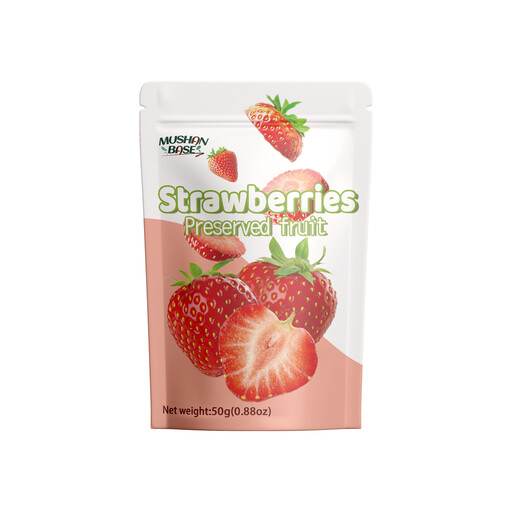
Why it suits this profile: At 50 grams, the purchase commitment stays low, so you can try dried strawberries without immediately buying a large supply.
The ingredients list is short: dried strawberries and sugar. This makes it immediately clear what you are buying, although the product does contain added sugar.
50 g net weight, chewy texture, and suitable for eating straight away or using as a topping.

Why it suits this profile: This choice is aimed at fans of Filipino mango and a distinctly fruity, soft snack.
The product information names mango as the main ingredient, but also lists sugar and sulphites. You can therefore take the sweetness and allergens into account before making your choice.
According to the product description, sourced from Cebu; suitable for snacking, yoghurt, breakfast cereals and desserts.
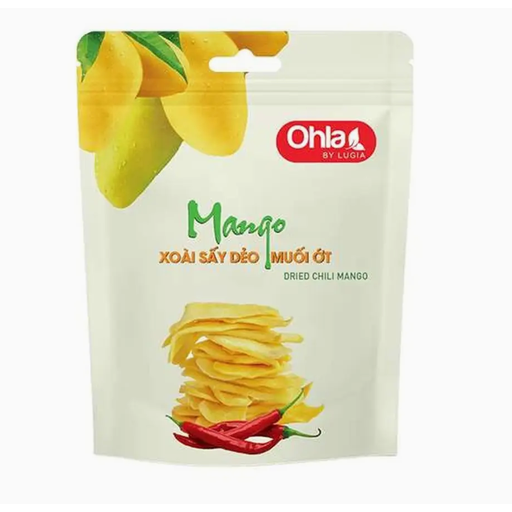
Why it suits this profile: The 200-gram bag is ideal if you share snacks regularly, like to keep a supply in the cupboard or are specifically looking for sweet and savoury Asian snacks with a kick.
The product information lists mango, sugar, chilli and sulphites. This makes it clear that “no artificial flavourings” does not mean the product contains no added sugar or preservatives.
200 g net weight, sweet-and-sour mango flavour with chilli, and clear instructions to consume within seven days of opening.
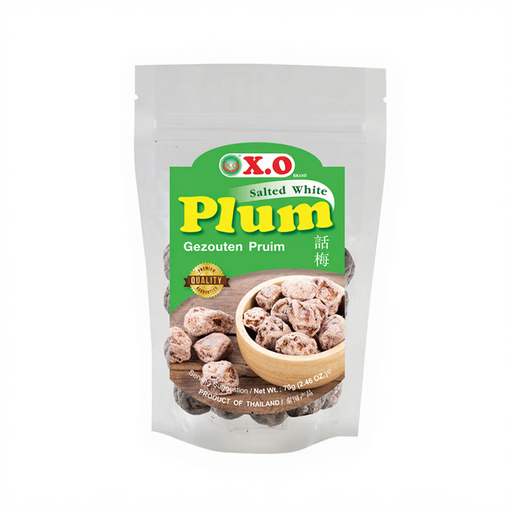
Why it suits this profile: This Chinese plum snack is ideal if you prefer to savour salty, sweet-and-sour and spiced flavours slowly rather than reach for an ordinary fruit snack.
The flavour profile and ingredients are clearly described: 86% Chinese plum, 8% salt, sugar, an acidity regulator and E223.
Compact 70 g pack, easy to carry and clearly marked with a sulphite warning.
We have put together a complete, up-to-date list of products that fully meet these strict selection criteria and the applicable European safety regulations.
This varies by product and packaging. Check the best-before date on the label and store the snack in a cool, dry place away from direct sunlight. Once opened, seal the packaging properly. For example, OHLA Dried Chili Mango states that the product should be consumed within seven days of opening.
No, but many products naturally contain a high level of sugars because of the drying process, and some also contain added sugar. Always check the ingredients list. Sugar is listed in MUSHAN BASE Dried Mango and Dried Strawberry Slices. The ingredients in Titiz Candied Chestnut are chestnuts and white sugar.
Look for sulphites, sulphur dioxide, E223 or similar references in the allergen information. These can be found in various dried fruit products, including some mango, soursop and plum snacks. Always check the most recent packaging before ordering or consuming the product.
