
Vandaag of morgen in huis

Kwaliteit gegarandeerd

Welkomstaanbiedingen ontgrendelen: GRATIS bezorging | Tot 80% korting | Gratis 30 dagen JoyPlus-proefperiode
Download de app
Asian desserts and snacks offer far more choice than just sweets. Think soft mochi, fruity puddings, Japanese castella cake, Chinese rice balls and Turkish confectionery. Yet comparing online isn't always straightforward. An attractive packet tells you little about portion size, allergens, storage temperature or how to prepare it.
As a Joybuy Product Recommendation Officer, I filter product information on practical points. That way, you can see more quickly which dessert suits your household, taste and storage preferences.
Not every Asian dessert is ready to serve straight away. Chinese rice balls from the freezer, for example, are a raw product. They need to be boiled in water until they float to the surface, then cooked for a further one to two minutes. Always check whether you are buying a chilled, frozen or ambient product.
A slushie maker also works differently from an ice lolly mould. The Ninja FS301EU turns a liquid into a slush without needing extra ice, but the instruction manual states that the drink must contain sugar. A sugar-free liquid is therefore not automatically suitable.
In puddings, sweets and mochi, fruit can mainly be used for flavour and aroma. So check the ingredients list and nutritional values. The Cocon Kingo Mango Pudding, for example, contains mango flavour and nata de coco, with 19g of sugar per 100g according to the product information provided. The Lychee Pudding Nata de Coco states 15g of sugar per 100g.
That doesn't make these products unsuitable, but it does help you realistically assess portions and when to enjoy them.
Mochi typically contains glutinous rice flour and can have a firm, chewy texture. Always check the packaging and serve according to the instructions. Castella cake and baumkuchen cake contain egg, wheat and milk, among other ingredients. Baby desserts from 6 months onwards are a separate product category: the age indication is not a substitute for checking ingredients, allergies and storage advice.
Pay attention to the difference between:
Also check the date and the information on the packaging. If you are unsure about a damaged seal, a bloated packet or an unclear odour, not consuming it is the safe choice.
If you want to buy mochi, don't just look at the flavour. Also consider the size and packaging. LOVE MOCHI Orange Flavour is individually wrapped and weighs 180g. Q-Brand Assorted Fruit Mini Mochi consists of smaller bite-sized pieces in a 120g pack. That difference matters for a lunchbox, a treat or a sharing platter.
For a softer dessert, pudding and nata de coco are suitable as a chilled snack. The 480g pudding cups usually consist of six linked 80g portions. That makes portioning easier than with a large, undivided pack.
Read the full ingredients list on the packaging for every product. Examples:
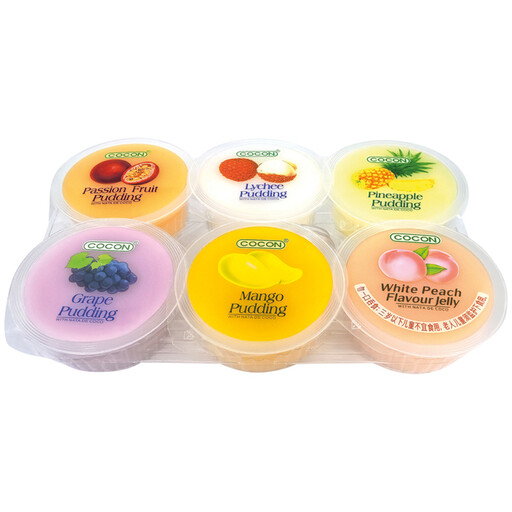
Why this suits the profile: Six linked cups with different fruit flavours are practical when you want to try several flavours without buying lots of individual packs.
The portions are pre-divided and the product is tastier chilled according to the product description. Do check the fridge advice after opening.
480g total weight; assortment with mango, lychee, strawberry, orange and honey melon according to the product information.
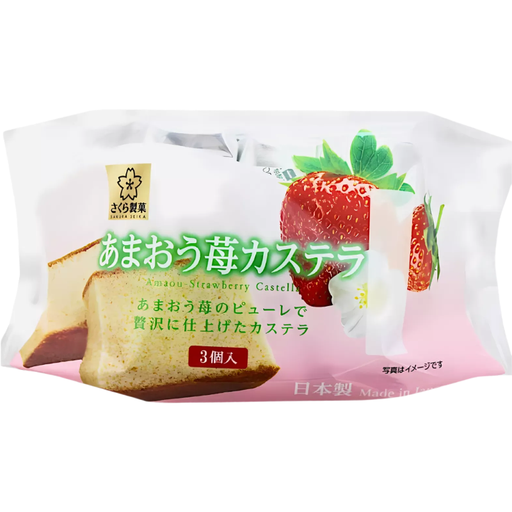
Why this suits the profile: The three individually wrapped pieces are ideal for a special coffee break, dessert moment or small gift.
The product information clearly states egg and wheat. This means you can check in advance whether it suits any allergies you may have.
Three portions; soft cake; strawberry flavour according to the product description; individually wrapped.
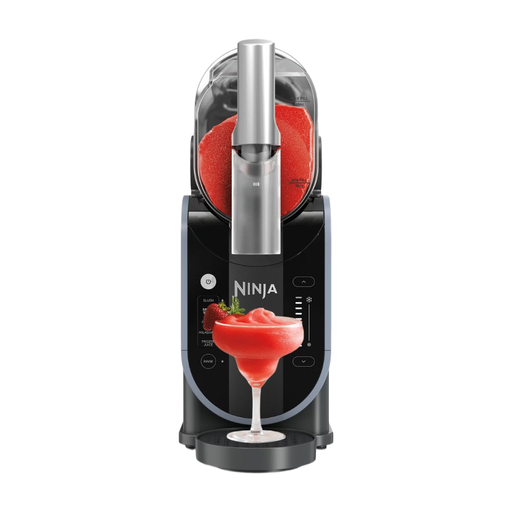
Why this suits the profile: Suitable for households that regularly want to make fruit drinks, mocktails or slushies in larger quantities.
You don't need to add ice cubes. However, do allow for 15 to 60 minutes of preparation time and the requirement that the liquid contains sugar.
Five programmes; reservoir for up to 1.9 litres of liquid; compressor; 200W power.
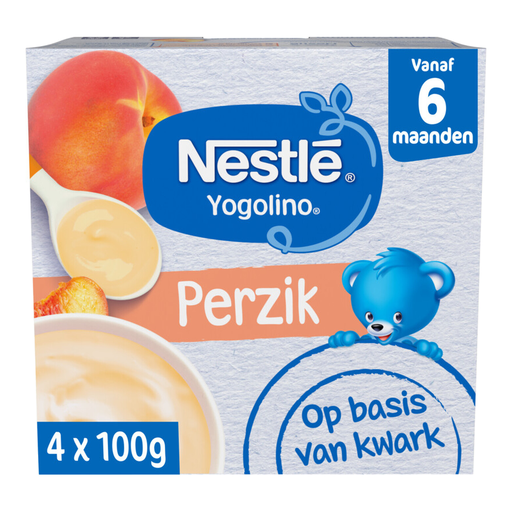
Why this suits the profile: The packaging states suitable from 6 months and contains four 100g cups for separate eating occasions.
The age recommendation and the presence of milk and lactose are stated in the product information. After opening, the cup must be stored in the fridge for a maximum of 24 hours.
Four portions; 100g per cup; 93mg calcium per 100g according to the nutritional information provided.
We've put together a full, up-to-date list of products that fully meet these strict selection criteria and current European safety regulations.
An assorted pudding with nata de coco is an easy starting point thanks to the individual cups and different fruit flavours. If you prefer a firm, soft texture, you could choose Japanese castella cake or an individually wrapped baumkuchen cake. Check the allergens and sugar content beforehand.
Check the filling, weight, shelf life and ingredients. Fruit mochi, orange mochi and azuki bean mochi differ greatly in flavour and composition. Also look out for possible traces of milk, soya or nuts. Store mochi according to the packaging and serve the product in the way indicated.
No. Fruit ice lollies are ready-to-eat frozen products that you keep in the freezer. A slushie maker processes a liquid in the appliance. With a model like the Ninja FS301EU, factors such as preparation time, sugar content, capacity and cleaning all come into play. Choose fruit ice lollies for convenience and a slushie maker when you want to prepare your own drinks and make larger quantities more often.
