
Same-day & Next-day Delivery

Quality Guaranteed

Unlock Your Welcome Offers: FREE Delivery | Up to 80% OFF | Free 30-day JoyPlus trial
Download the APP
When you buy Asian desserts, you’re often choosing between ready-to-eat pudding, fruit in syrup, and ingredients for making your own recipe. The packaging may look appealing, but it doesn’t always tell you straight away how much sugar is inside, which allergens are present, or what preparation is needed. With these practical selection tips, you’ll find the right dessert for home, a party or professional use much more quickly.
A jar or family-size tub may seem attractively priced, but check how many portions it contains and how long the product keeps once opened. A ready-to-eat dessert in individual cups can be more convenient if you don’t want to serve everything at once. For catering or a large group, a 708 g, 775 g or 1,280 g pack can actually be more efficient.
Words like tropical pudding, fruit dessert or coconut dessert mainly give you an idea of the flavour. So look at the ingredients list instead. A product with mango or lychee flavour may also contain fruit juice concentrate, flavourings, colourings or milk powder. If you’re after a specific fruit or a particular texture, it’s worth checking the composition and nutritional information.
Not every Asian dessert is ready to eat straight away. Tapioca pearls, sago and Chinese glutinous rice balls need to be cooked first. Other products are ready to eat but must be chilled after opening. With frozen products, also pay attention to the instruction not to refreeze them once they have been thawed.
For quick serving, nata de coco pudding, lychee pudding and fruit pudding are ideal. According to the product description, these desserts are served chilled and often come in individual cups. That’s practical for lunchboxes, parties and buffets.
For homemade Filipino desserts like halo-halo, ingredients in syrup are more convenient. Think of mung beans in syrup, kaong or nata de piña. You then decide for yourself how much ice, fruit, condensed milk or other toppings to add.
Texture plays a big part in how a dessert is experienced:
Also check the size of tapioca pearls. Small pearls cook differently from large ones and give a different ratio of sauce to texture.
Don’t just compare the front of the pack. Always check:
Product information can change per pack or variant. So if you have allergies, always check the current label. For example, the product description of Sunlee Coconut Milk Dessert mentions sulphites, while various nata de coco puddings contain milk. The China Town Glutinous Rice Ball Coconut lists wheat as an allergen.
For those looking for halal Asian desserts, the product information for Monika Munggo states that this product is halal certified and vegan. Again, check the packaging, especially if you’re buying multiple variants of the same brand.
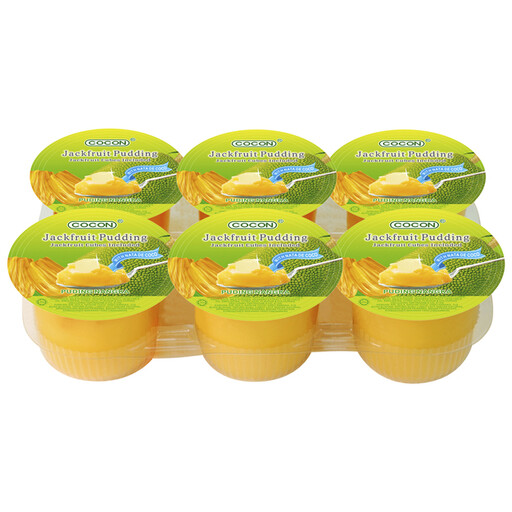
Why this fits the profile: The pack contains 6 individual cups and, according to the product description, the dessert is ready to eat. That makes it easy to try Asian desserts without any cooking time.
The portions are already divided, so an opened large pack is less likely to be left sitting around. Keep it chilled before serving to get the refreshing texture described.
708 g total weight, 6 cups, jackfruit flavour and nata de coco cubes.
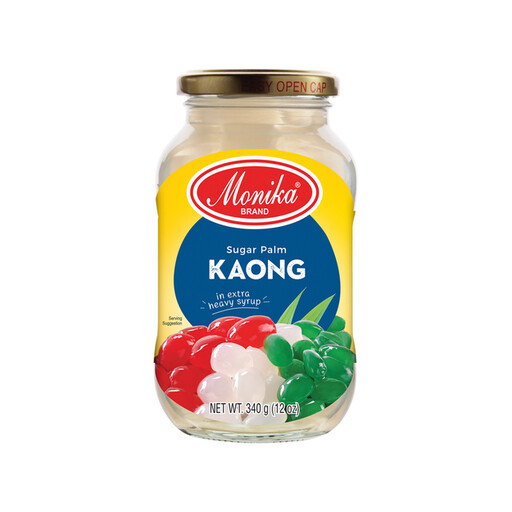
Why this fits the profile: If you’re after a specific Filipino dessert component, kaong offers a recognisable, chewy topping for halo-halo, fruit salads, pudding and ice cream.
The product description clearly states its use as a topping or ingredient. So you won’t end up buying a pudding when you actually need loose fruit pieces.
340 g, ready-to-eat, 60% palm fruit according to the product information, and handy for multiple desserts.
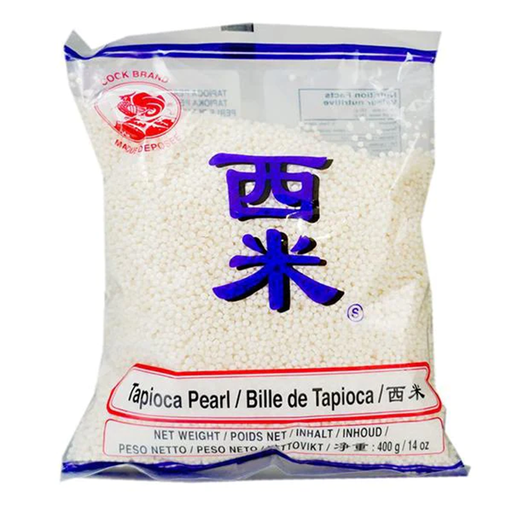
Why this fits the profile: Home cooks and professional kitchens can make multiple portions with 400 g for bubble tea, sweet soups, Asian pudding and a coconut milk dessert.
The product description explicitly states that the pearls become glossy and chewy after cooking. So it’s clear from the start that this is not a ready-to-eat dessert.
400 g, small tapioca pearls, ingredients list with tapioca starch and water.
We’ve put together a full, up-to-date list of products that fully meet these strict selection criteria and comply with current European safety regulations.
Nata de coco is a soft, elastic coconut gel that is often added in cubes to pudding, fruit drinks and fruit salads. The texture is slightly chewy. Check the ingredients, because some varieties contain milk or milk powder.
That depends on the product. Pudding, fruit in syrup and nata de coco from a cup or jar are generally ready to eat according to the product description. Tapioca pearls, sago and frozen rice balls need to be prepared first as per the packaging.
Always follow the label. Many puddings and products in syrup need to be kept in the fridge after opening and used within a few days. Unopened products can sometimes be stored in a cool, dry place outside the fridge. Do not use a product with a broken seal or damaged packaging.
