
Vandaag of morgen in huis

Kwaliteit gegarandeerd

Welkomstaanbiedingen ontgrendelen: GRATIS bezorging | Tot 80% korting | Gratis 30 dagen JoyPlus-proefperiode
Download de app
Making a quick curry often starts with a jar or packet from the cupboard. But Asian curry products can vary widely in flavour, heat, ingredients, pack size and preparation method. If you choose based only on words such as “authentic”, “natural” or “extra hot”, you could easily end up with a product that isn’t right for the dish you have in mind.
As a Joybuy Product Recommendation Officer, I look for information you can check: ingredients, allergens, pack size, how to use the product and clear product details.
Thai curry paste, Japanese curry sauce and rendang spice paste aren’t interchangeable. Thai curry paste is usually combined with coconut milk. Japanese curry sauce often comes as roux blocks or a sauce mix, and is prepared to be thicker and milder. Rendang spice paste is intended as a flavourful base for a different kind of stew.
So first, think about which dish you want to make. Green curry paste isn’t automatically a suitable substitute for Japanese curry sauce.
Green, red and yellow curry pastes each have their own flavour profile. For example, Koh Thai’s product description presents its green curry paste as the hottest of four Thai varieties. That isn’t a universal measure of heat. How spicy it tastes also depends on how much paste you use, as well as the coconut milk and other ingredients.
If you’re using a particularly strong product, start with less paste than the recipe calls for and add more later. That way, you won’t make the whole pan too spicy.
A 400-gram jar might seem appealing for families or meal prep, but product information often says to refrigerate curry paste after opening. A smaller 50-, 70- or 95-gram pack could be a better choice if you only cook curry now and then.
Also check the salt content and allergens. Some products contain ingredients such as prawns, soya, milk, peanuts, sesame or celery. Always read the packaging, as product information can change.
Check the preparation instructions. For example, Mae Ploy Yellow Curry Paste recommends frying 50 grams of paste, adding 400 grams of coconut milk and then cooking the remaining ingredients.
If you want to cook vegan food, look beyond the name. A product may be called “green curry” but still contain prawns. According to the product information, Fairtrade Thai Green Curry Paste is made with plant-based ingredients and does not list any of the 14 main EU allergens. Sum & Sam Green Curry, on the other hand, contains shrimp powder, so it isn’t suitable for anyone avoiding crustaceans.
When choosing a vegan curry paste, look for:
A 70-gram pack is handy for trying a flavour first. A 400-gram jar is a better fit for families, regular curry cooking or larger meals. Also check the storage instructions after opening. According to the information provided, products such as Koh Thai Green Curry Paste and Mae Ploy products should be refrigerated after opening.
For Japanese curry, the number of portions is also worth considering. The S&B Golden Curry Sauce 92 g is described as suitable for around five to six portions, while the 220-gram packs are intended for larger meals or groups.
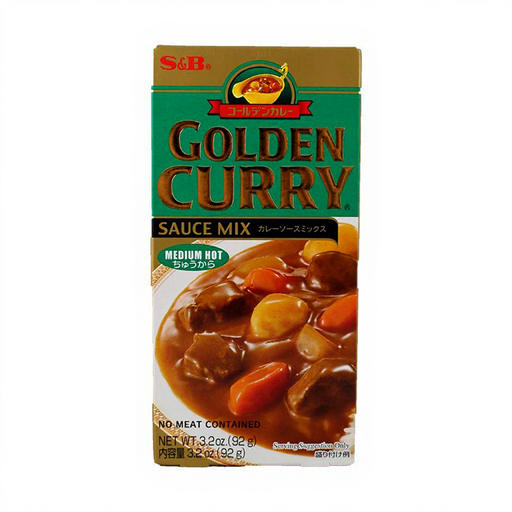
Why it suits this cooking style: The compact pack and clear Japanese preparation instructions make this a practical starting point for curry rice with vegetables.
The medium-hot variety makes its heat level clearer than a general marketing claim. Do check the label for wheat, soya and other allergens.
92 grams; described in the product information as suitable for 5-6 portions; use with water, vegetables and rice.
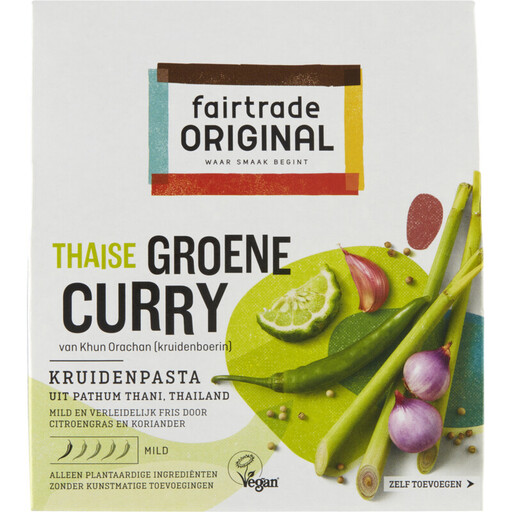
Why it suits this cooking style: This small pack and its plant-based ingredients are a good fit for cooks who want to choose their ingredients and meet dietary requirements with care.
The product information specifically mentions plant-based ingredients and says none of the 14 main EU allergens are present. Check the current packaging when you buy it.
70 grams; described as mild; includes ingredients such as lemongrass, coriander and green chillies.
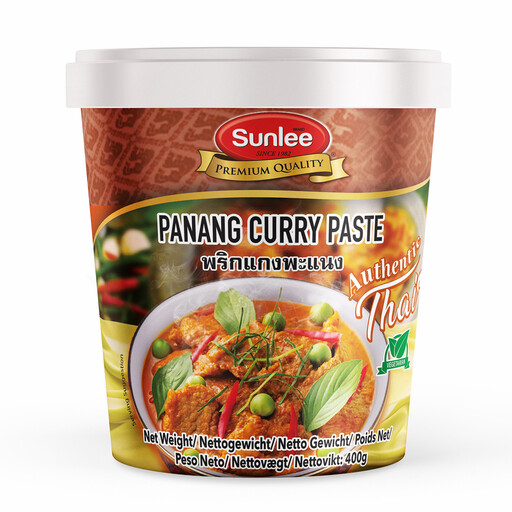
Why it suits this cooking style: The larger pack is aimed at frequent curry cooking, larger households or making several curry meals.
The packaging gives clearer details about ingredients and allergens than a flavour name alone. This product contains soya and may contain peanuts and sesame.
400 grams; described as vegan in the product description; suitable for curries, stir-fries, soups and marinades.
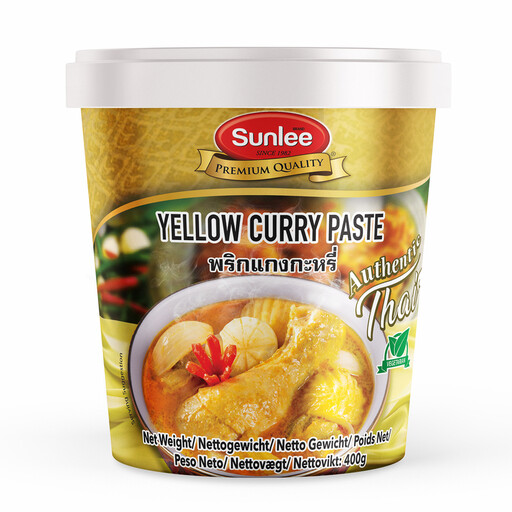
Why it suits this cooking style: This yellow curry paste comes in a large pack and has a vegan recipe base that works well with vegetables, tofu or plant-based proteins.
The product description says it is vegan and gluten-free. As soya, peanuts, sesame and nuts are listed as allergens, you should still check the label.
400 grams; suitable for vegan curry; pairs well with coconut milk, vegetables and tofu.
We’ve put together a complete, up-to-date list of products that meet these strict selection criteria and the applicable European safety requirements.
Thai curry paste is a concentrated spice base that you usually cook with coconut milk and fresh ingredients. Japanese curry sauce mix often comes in roux blocks, which you dissolve in water with vegetables and, for example, chicken. Japanese curry is generally thicker and milder in flavour.
Start with less curry paste and add extra coconut milk, vegetables or unsweetened stock. For Japanese curry, you can choose a milder variety, such as S&B Golden Curry Sauce Mix Mild. Taste and adjust at the end: it’s easier to add more paste than to tone down a curry that’s too hot.
It varies by brand and packaging. Store opened paste according to the label; several products in this range recommend refrigeration after opening. Always follow the stated best-before date, seal the packaging tightly and don’t use the product if the packaging is damaged or the contents smell or look unusual.
