
Vandaag of morgen in huis

Kwaliteit gegarandeerd

Welkomstaanbiedingen ontgrendelen: GRATIS bezorging | Tot 80% korting | Gratis 30 dagen JoyPlus-proefperiode
Download de app
Mastering Asian cuisine at home starts with the right seasonings. But a walk down the sauce aisle can be overwhelming. Bottles with exotic names promise an authentic experience, but do they deliver? Many home cooks fall into the same traps, leading to disappointing dishes and wasted money. As a Joybuy Product Recommendation Officer, I see where things often go wrong. Let's break down the most common pitfalls so you can make the right choice with confidence.
Pitfall 1: The "authentic" flavour that's too Westernized. Many sauces marketed as "authentic" are actually heavily adapted to Western palates. This often means an excess of sugar and a lack of the complex, layered flavours that characterize a true Thai fish sauce or Korean sauce.
Pitfall 2: The "one-size-fits-all" stir-fry sauce. A generic Asian sauce or stir-fry sauce seems convenient, but it usually delivers a generic taste. A Korean bulgogi requires a completely different flavour profile than a Japanese teriyaki. By opting for an all-in-one solution, you miss out on the specific depth of the dish you're trying to create.
Pitfall 3: Hidden ingredients and unclear labels. A label can be misleading. A sauce might be packed with unnecessary flavour enhancers, salt, or sugar, even if the packaging suggests otherwise. The ingredients list is your single source of truth.
You don't need to be an ingredients expert to avoid these traps. Just focus on a few basic principles that make the difference between a disappointing meal and a successful one.
The quality of a sauce starts with its foundation. A good fish sauce (nam pla) consists mainly of fermented anchovies, salt, and water—not a long list of artificial flavourings. An authentic gochujang (Korean chili paste) is based on fermented rice, soybeans, and chili peppers. Look at the first few items on the ingredients list; they define the sauce's character. A Chinese marinade for braised dishes often contains specific spices like star anise and cinnamon, which should be clearly identifiable.
Not every sauce is suitable for every purpose. Its function determines its composition:
A great Asian cooking sauce is all about balance. A teriyaki sauce should be sweet and savoury, not just a sugar syrup. A ketjap manis is sweet by definition, but sugar levels can vary dramatically. Check the nutritional information on the label. Compare the sugar and salt (sodium) content per 100 grams. More and more brands, like Inproba, are offering lower-sugar versions, which can be a conscious choice without sacrificing flavour.
Based on these principles, we have selected a few products that suit different types of home cooks.
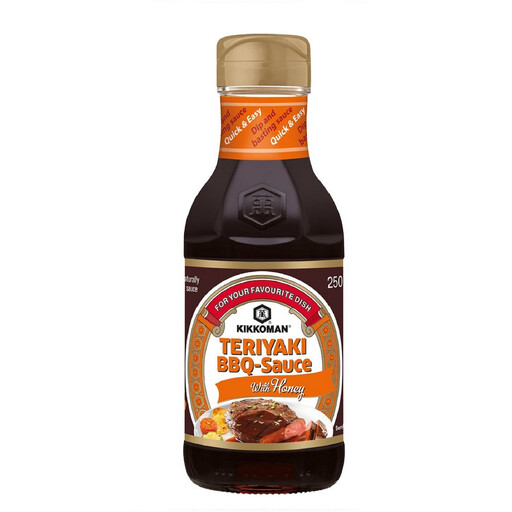
Why This Fits Their Persona: Ideal for those who want a flavourful meal, fast. This sauce is a reliable all-rounder for a quick stir-fry, marinating chicken, or as a dipping sauce for appetisers. No fuss, instant results.
While versatile, this sauce avoids the "one-size-fits-all" pitfall by using a naturally brewed soy sauce base. This provides a deep umami flavour you won't find in cheaper, artificial alternatives.
Versatile as a stir-fry sauce, marinade, and dipping sauce. According to Kikkoman, it contains no artificial colours or flavours.
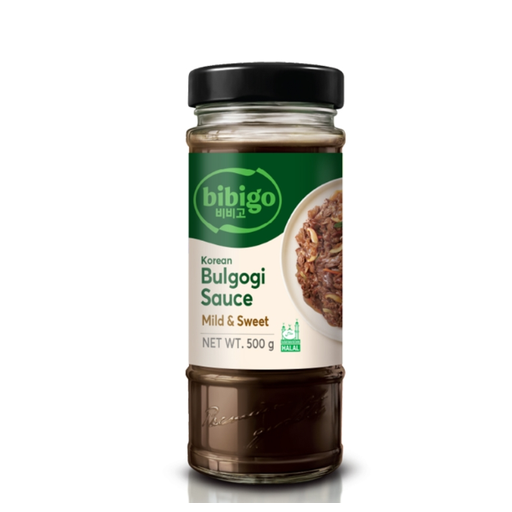
Why This Fits Their Persona: For those who want to recreate a specific, authentic dish. This sauce is the perfect base for a true Korean BBQ (bulgogi) and takes the guesswork out of mixing the complex marinade yourself.
This isn't a generic "Asian sauce" but a specific Korean sauce for bulgogi. The ingredients list, featuring Korean pear and apple purée, demonstrates a focus on an authentic flavour profile, avoiding the trap of a Westernized taste.
Specifically developed for one dish, ensuring an authentic taste. Its mild and sweet balance makes it suitable for the whole family.
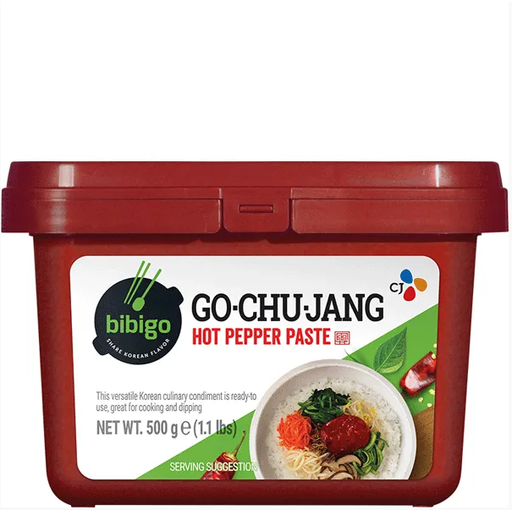
Why This Fits Their Persona: Perfect for those who seek the deep, spicy flavour of gochujang but follow a vegan lifestyle. This product delivers the authentic taste without animal-derived ingredients, which can often be hard to find.
This product avoids the pitfall of hidden ingredients. Many Korean pastes contain fish or shellfish extract. Bibigo's vegan version is completely transparent about this, which is essential for consumers with specific dietary needs.
100% vegan, with an authentic, slow-fermented flavour. The large, reusable packaging is practical for regular use.
We have compiled a complete, up-to-date list of products that meet these selection criteria and comply with current regulations.
This depends heavily on the ingredients. Sauces with high salt or acid content, like soy sauce or fish sauce, often last for months in the refrigerator after opening. Sauces based on peanuts (like satay sauce), coconut milk, or fresh herbs have a shorter shelf life. The golden rule: refrigerate everything after opening and always check the label for specific storage advice.
Although they are all based on soybeans, there are distinct differences:
Absolutely. The demand for lower-sugar products is growing, and manufacturers are responding. A good example is the Inproba Ketjap Manis 30% Less Sugar. The best approach is to read the nutritional information on the back. Compare the grams of sugar per 100 ml or 100 g to make an informed choice that suits your preferences.
