
Vandaag of morgen in huis

Kwaliteit gegarandeerd

Welkomstaanbiedingen ontgrendelen: GRATIS bezorging | Tot 80% korting | Gratis 30 dagen JoyPlus-proefperiode
Download de app
Looking for authentic Asian confectionery, but lost in a sea of unfamiliar names and packaging? Whether you're seeking the perfect sugar for a Chinese braised dish or want to try surprising Asian sweets, the choice can be overwhelming. Many consumers fall into common pitfalls that lead to disappointing culinary results or simply wasted money.
Before you add anything to your cart, it's wise to be aware of a few common missteps:
To avoid a bad purchase, it's helpful to check a few key specifications. These determine the flavour, texture, and success of your dish or baked goods.
The foundation of many sweeteners for Asian cuisine is their origin and processing method. The differences are significant:
The structure of the sugar grain is crucial for its application, especially with sugar for baking:
To help you get started, we've highlighted a few products that suit different needs and preferences.
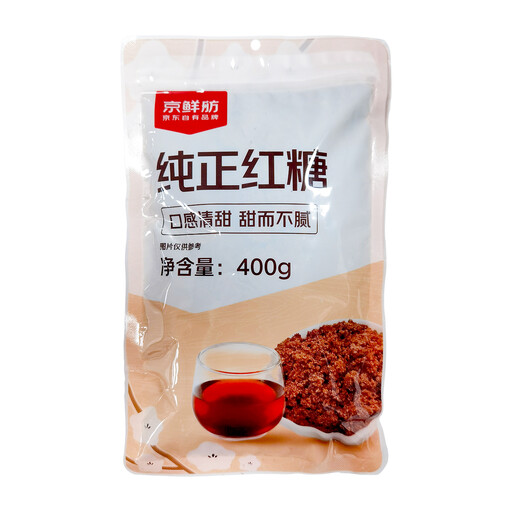
Why This Fits Their Persona: This person wants the authentic, deep flavour essential for many Chinese dishes. This sugar delivers the rich caramel notes needed for stews, marinades, and traditional ginger tea.
This is unrefined brown sugar that retains its natural molasses. It's not white sugar with added colouring, ensuring you get the genuine, complex flavour you're looking for and avoiding the 'brown sugar' trap.
Contains natural molasses for a deeper, more complex sweetness. Versatile for both sweet and savoury dishes.
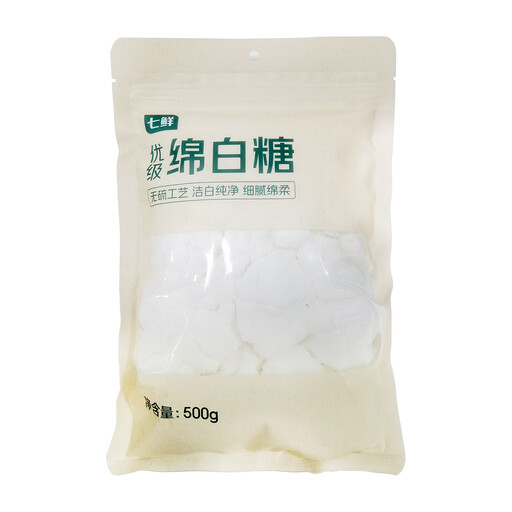
Why This Fits Their Persona: For those who love to bake and strive for a perfect, smooth result. This superfine sugar is ideal for delicate cakes, cookies, and creams where regular granulated sugar is too coarse.
This sugar dissolves quickly and completely, avoiding the 'wrong type for the application' pitfall. No more grainy texture in your baked goods; it ensures a professional and uniform end product.
Fine, uniform grind for quick and even dissolving. Perfect for delicate pastries, drinks, and cold dishes.
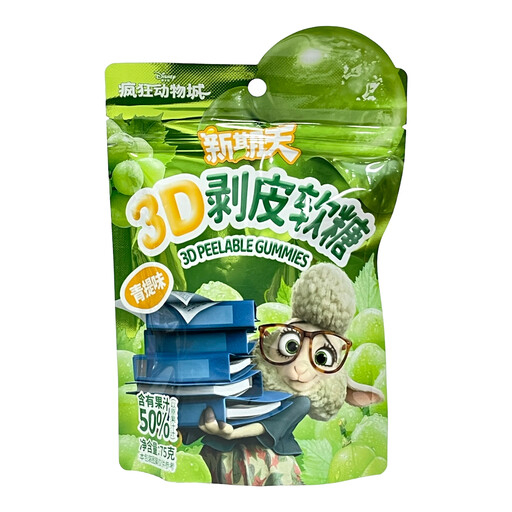
Why This Fits Their Persona: Ideal for those looking for a new and playful candy experience. This isn't a standard gummy, but an interactive treat you can 'peel'. Fun for both adults and children (over 3 years old).
The product description is clear about its unique features: a 'peelable' design with a soft sugar coating and a fruity filling. This manages expectations and avoids the 'texture surprise' pitfall.
Playful, peelable design. Contains concentrated grape and apple juice for a natural fruit flavour.
We have compiled a complete, up-to-date list of products that fully meet these strict selection criteria and current regulations.
Although they look similar, they are different. Chinese brown sugar (like Jing Xian Fang) is typically less refined and retains its natural molasses, giving it a deep, caramel-like flavour. Western brown sugar is typically refined white sugar with molasses added back in, which gives it a moist, soft texture that differs from the often harder, more crumbly structure of Asian brown sugar. For authentic Asian recipes, genuine brown cane sugar yields the best result.
You can, but the result will be different. Rock sugar dissolves slowly and evenly, creating a clear, syrupy sauce with a beautiful gloss. Regular sugar dissolves faster and can make the sauce cloudy or caramelise too quickly, altering the flavour balance. For the best results in dishes like red-braised pork, rock sugar is the recommended choice.
No, although the terms are sometimes used interchangeably. Palm sugar is extracted from the sap of various types of palm trees, such as the date palm or the Palmyra palm. Coconut blossom sugar is made specifically from the sap of the coconut palm's blossom. The flavours are similar, with earthy caramel notes, but can vary slightly depending on the origin and production method. However, for most recipes, they are a good substitute for each other.
