
Vandaag of morgen in huis

Kwaliteit gegarandeerd

Welkomstaanbiedingen ontgrendelen: GRATIS bezorging | Tot 80% korting | Gratis 30 dagen JoyPlus-proefperiode
Download de app
Cooking Asian cuisine at home is easier than ever. Supermarket aisles and online shops are filled with jars and bottles promising authentic flavours. But how often have you bought a bottle of sauce that gets lost in the back of the cupboard after just one use? Or made a dish that tasted nothing like you'd hoped? Choosing the right Asian condiments can be a challenge.
As a Joybuy Product Recommendation Officer, I see the challenges consumers face every day. Before you fill your shopping cart, it's wise to consider a few common pitfalls:
By being mindful of these points, you can avoid unnecessary expenses and culinary disappointments.
You don't need to be an ingredient expert to make the right choices. A few practical tips will get you a long way.
The order of ingredients on a label is very telling. The ingredient present in the largest amount is listed first. Looking to buy soy sauce? You'd expect soybeans and wheat to be high on the list, not sugar or water. The same applies to a good oyster sauce: the percentage of oyster extract is a key indicator. Brands like Lee Kum Kee often specify this clearly. A short, clear ingredient list is usually a good sign.
Not every sauce is a one-size-fits-all solution. Understanding the basics helps you create the right flavour profile.
Some regions are famous for specific flavours. Sichuan, for example, is known for its bold, spicy dishes. A mapo tofu seasoning mix from this region will likely provide a more balanced and authentic taste than a generic version. For Japanese miso, there are different types (white, red, mixed), each with its own flavour profile and application, from soups to marinades.
To help you with your choice, we've highlighted a few products that suit different cooking styles and needs.
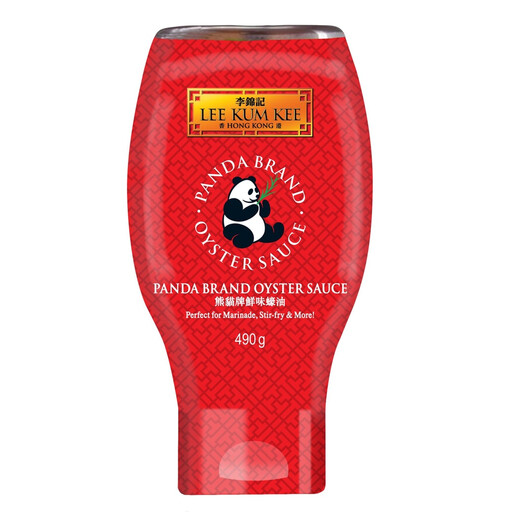
Why This Fits Their Persona: This is a perfect start. Oyster sauce is a versatile umami bomb for countless stir-fries, noodles, and marinades. The convenient squeezy bottle makes portioning easy and prevents messes, ideal for those just starting with Asian cuisine.
You're not buying an obscure sauce you'll only use once. This is a staple product from an established brand that delivers reliable flavour, ensuring you don't pick the wrong type of sauce for your dish.
Made with oyster extracts for a rich, savoury flavour. The squeezy bottle is practical for controlled, clean use.
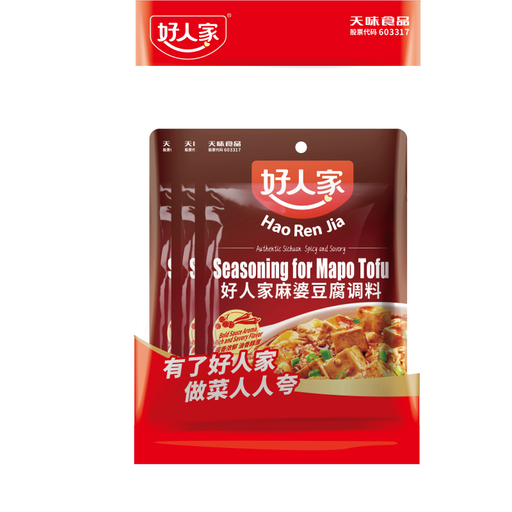
Why This Fits Their Persona: For those who want to recreate the true taste of a specific dish, like Mapo Tofu. This mix contains the right balance of broad bean paste, fermented soybeans, and Sichuan peppercorns—the building blocks for an authentic result.
Instead of struggling with the ratios of various specialist ingredients yourself, this mix provides a reliable base. It avoids the pitfall of a 'one-size-fits-all' chilli sauce that can't replicate the dish's unique flavour.
A complete seasoning mix for a classic Sichuan dish. Easy to use: just add tofu and, optionally, minced meat.
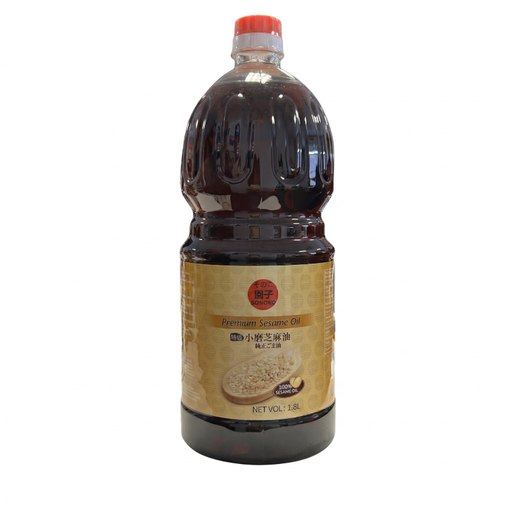
Why This Fits Their Persona: For the home cook who prepares Asian meals weekly or for small-scale food service, a bulk package of a staple like sesame oil is a smart choice. This 1.8-litre bottle offers excellent value for money for an indispensable flavouring.
This product bypasses the trap of paying for a brand name or a small, fancy package. You're investing in a functional product in a quantity that suits frequent use, which is more economical in the long run.
100% pure sesame oil in a large 1.8-litre container. Suitable for both home use and professional kitchens.
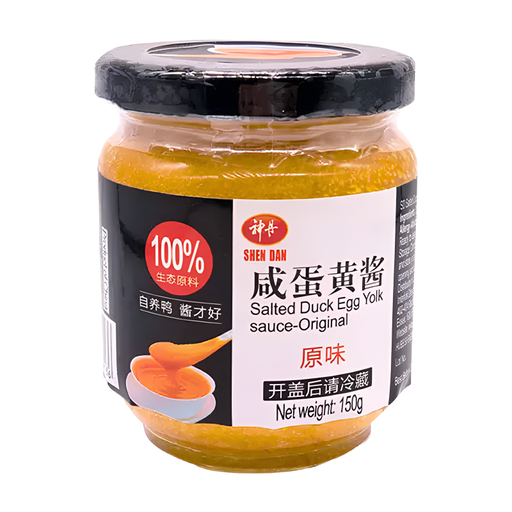
Why This Fits Their Persona: For those who have mastered the basics and are looking for something new. Salted egg yolk sauce is a trendy and unique ingredient in modern Asian cuisine. It's creamy, salty, and savoury, and surprisingly versatile: from coating fried chicken to serving as a pasta sauce.
This isn't a vague 'authentic' product, but a specific, modern condiment. You don't buy it by accident; you choose it deliberately to experiment. It's a clear choice for a unique flavour profile.
A unique, creamy, and salty sauce that's ready to use. Perfect for cooking, baking, dipping, or as a spread.
Finding the right Asian ingredients online can be overwhelming. That's why we've curated a selection of products that meet our criteria for flavour and functionality.
Most fermented products like soy sauce and vinegar can be stored in a cool, dark place. Sauces with higher sugar or oil content, such as oyster sauce, hoisin sauce, and chilli oil, are best kept in the refrigerator after opening to preserve their flavour and quality. Always check the label for specific storage instructions.
Light soy sauce is the most commonly used variety in Chinese cooking. It is saltier and used to add flavour to dishes. Dark soy sauce is aged longer, often with added molasses or caramel, which gives it a darker colour and a milder, sweeter taste. It is primarily used to add colour to dishes, such as in stir-fries or braises.
While both cuisines use fermented bean pastes, their flavour profiles are different. Japanese miso has a unique, often milder taste than many Chinese bean pastes (like doubanjiang). You can certainly experiment, but for an authentic taste of a specific Chinese dish, it's best to use the recommended Chinese paste. However, miso works excellently as a general umami booster in soups and marinades, regardless of the cuisine.
