
Vandaag of morgen in huis

Kwaliteit gegarandeerd

Welkomstaanbiedingen ontgrendelen: GRATIS bezorging | Tot 80% korting | Gratis 30 dagen JoyPlus-proefperiode
Download de app
A jar of Asian chilli sauce can make a big difference to a bowl of noodles, a stir-fry or a marinade. Yet the range can often seem very similar. One sauce may be mainly sweet, another may contain lots of oil, while sambal can be immediately hot and concentrated. If you rely solely on an eye-catching label or the term “extra hot”, you may not always buy something suited to the way you intend to use it.
With this buying guide, you can compare flavour, heat, ingredients, size, allergens and uses. This makes choosing chilli sauce more straightforward, whether you are buying it for everyday use at home, an Indonesian-style shared meal or a professional kitchen.
A sweet chilli sauce can have an accessible flavour, but it often contains a relatively high amount of sugar. Inproba Sweet Chilli Sauce, for example, lists 42 grams of sugar per 100 grams. According to the product information, Sunlee Sweet Chilli Sauce contains 48 grams of sugar per 100 grams. This makes these sauces suitable as a dip or glaze, but less suitable if you are mainly looking for a dry, sharp chilli or sambal flavour.
So do not just look at the description “mild” or “sweet”. Also check:
A name such as “hot”, “spicy” or “strong” does not always indicate a comparable level of intensity. The flavour also depends on the type of chilli, the quantity used, oil, salt, sugar and any fermented ingredients.
A Surinamese sambal made with Madam Jeanette has a different character from sriracha chilli sauce, sambal oelek or Chinese chilli sauce. Gochujang is also a fermented red chilli paste with a sweeter, savoury umami flavour. It is therefore better to check the ingredients and recommended uses rather than relying on the name alone.
Some chilli oils and crunchy chilli varieties contain peanuts, soya, sesame or wheat. Lao Gan Ma Spicy Crispy Oil Chili contains peanuts, soya beans, sesame and wheat, among other ingredients. Ji Xiang Ju Handmade Chili Oil also lists peanuts, sesame, soya and wheat. If you need to avoid allergens, it is wise to check the label again before use.
The size also deserves attention. An 850 ml bottle is practical for frequent use, but may be inconvenient if you only use a dip occasionally. A 105- or 170-gram jar is more suitable for smaller households or for trying a product for the first time.
First decide what you want to use the sauce for:
The texture determines how easily you can control the amount. Smooth sriracha chilli sauce spreads quickly, while crispy chilli oil may contain pieces of chilli, peanut or soya.
Ingredients are listed in descending order by weight. If sugar or oil appears near the top, it makes up a significant proportion of the product. Lao Gan Ma lists 20% chilli powder, alongside 8% peanuts and 6% soya beans. The sauce also contains 2.9 grams of salt per 100 grams.
Tan Tan Xiang Chao Tian Chili Sauce lists 9.5 grams of salt per 100 grams. This is relevant information if you use the sauce generously or already add other salty ingredients, such as soy sauce, sweet soy sauce or stock.
With chilli oil, the fat content is naturally higher. Lee Kum Kee Chili Oil lists 92 grams of fat per 100 ml. If you mainly use the oil as a finishing touch, a small amount is usually sufficient.
Check the allergen information and the full packaging before buying. Pay particular attention to:
Storage advice varies after opening. Some products should be kept in a cool, dry place, while others should be refrigerated after opening. Tan Tan Xiang, for example, states that the product should be kept in the fridge after opening. Always read the current label, best-before date and usage instructions on the packaging.
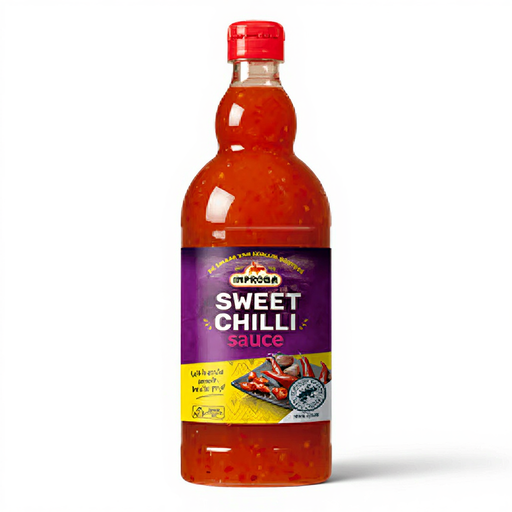
Why it suits this profile: The generous size is ideal for households that regularly make dips, marinades or stir-fries.
The product information clearly lists dipping, grilling and marinating as uses, so the sweet flavour is not an unexpected characteristic.
850 ml capacity, 7.4% chilli according to the label, and none of the 14 major EU allergens listed.
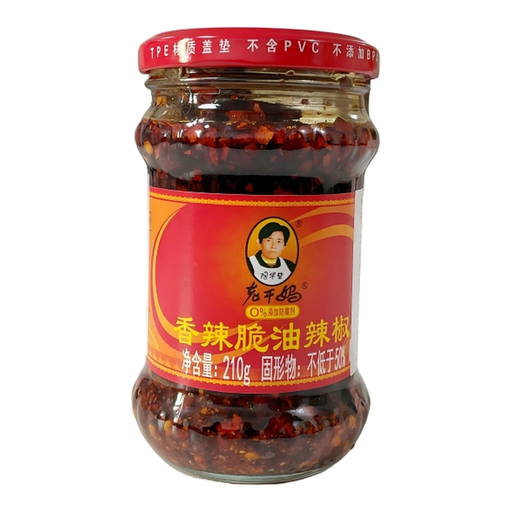
Why it suits this profile: Ideal if you want more than just heat, with pieces of chilli, peanut and soya in noodles, rice or dumplings.
The ingredients and percentages make it clear that this is crispy chilli oil, not a smooth sweet chilli sauce.
210 grams, 20% chilli powder, and ready to use with rice, noodles, hotpot and stir-fries.
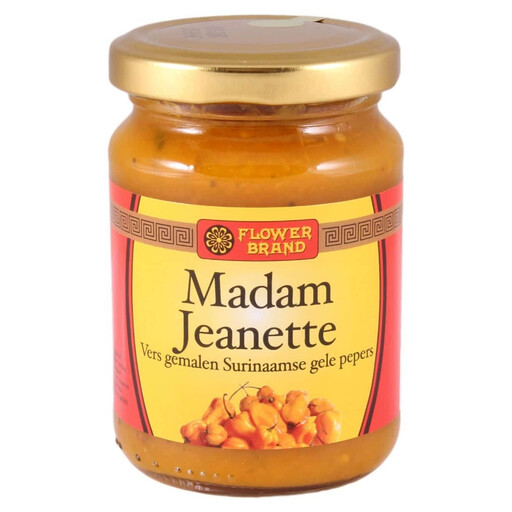
Why it suits this profile: A choice for fans of Surinamese sambal and a distinctive chilli base with rice, meat or snacks.
The ingredients list states 92% Madam Jeanette, making the choice of chilli explicit.
200 grams, 40 kcal per 100 grams according to the product information, and none of the 14 major EU allergens listed.
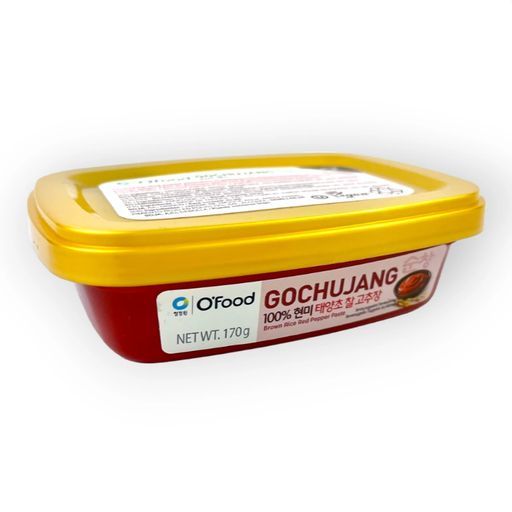
Why it suits this profile: The small pack is practical when you want to try Korean flavours without immediately buying a large supply.
The product description mentions fermentation, soya beans and brown rice, making it easy to distinguish from an ordinary chilli sauce.
170 grams, suitable for marinades, soups, stews and stir-fries; contains soya and yeast.
We have put together a complete, up-to-date list of products that fully meet these strict selection criteria and the applicable European safety regulations.
Sambal is usually a thicker, ground chilli preparation with a direct heat. Chilli sauce can be smoother and sweeter, and often contains more water, sugar, vinegar or thickening agents. The exact ingredients vary by brand and variety, so always check the label.
Store an opened bottle or jar according to the instructions on the packaging. A cool, dry place is often sufficient, while some products must be refrigerated after opening. Use clean utensils, close the packaging securely and check the storage information.
Sweet chilli sauce works well as a sweet glaze for chicken, fish or vegetables. Gochujang provides a fermented, savoury base for Korean marinades. Chilli oil is particularly suitable as an aromatic addition to a marinade or as a finishing touch. Always add small amounts and taste as you go, as the saltiness, sweetness and heat can vary considerably.
