
Vandaag of morgen in huis

Kwaliteit gegarandeerd

Welkomstaanbiedingen ontgrendelen: GRATIS bezorging | Tot 80% korting | Gratis 30 dagen JoyPlus-proefperiode
Download de app
A jar of Asian sauce can quickly add more flavour to a simple bowl of rice, noodles or dumplings. Yet the choice is less straightforward than the label might suggest. A Chinese chilli sauce, hotpot sauce and sweet chilli sauce differ greatly in heat, texture, salt content and use.
The main pitfalls are often not in the taste, but in the information on the packaging. So look out for these points before you buy Asian sauces.
Words like “spicy”, “hot” or “chilli” don’t give a fixed measure of heat. A sauce made with yellow peppers can be intensely hot, while a sweet chilli sauce tastes mainly sweet and mild. Sichuan pepper also gives a tingling sensation that feels different from regular chilli.
So look at the ingredient order and the type of pepper. If chilli or pepper appears near the top of the list, it’s likely to form a large part of the flavour. Some products also state a percentage on the product information, such as a minimum of 47% yellow pepper in Nan Guo Spicy Yellow Pepper Sauce.
Dipping sauces of 100 to 150 grams are handy for trying out, but for regular use with noodles, rice or stir-fries, a larger jar can be more practical. Don’t just compare the price per pack, but also the price per 100 grams.
A large jar of sesame paste or chilli sauce may seem good value, but it’s only worthwhile if you use the sauce often. Also check the storage instructions. Many products need to be refrigerated after opening and used within the recommended period.
“Authentic”, “traditional” and “restaurant-style” are not fixed quality standards. According to brands’ own product information, such terms refer to their recipe or positioning, not to an independent certification.
Always check:
The base determines how you use the sauce:
So a spicy Asian sauce isn’t automatically suitable as a dip. A thick sauce works differently from a runny chilli oil.
Compare the nutritional values per 100 grams. For example: the Tan Tan Xiang Chao Tian Chili Sauce contains 34 grams of fat and 9.5 grams of salt per 100 grams, according to the product information. The Nan Guo Spicy Yellow Pepper Sauce states 46 kcal and 13.9 grams of salt per 100 grams. “Light” or “low-calorie” doesn’t automatically mean a product is low in salt.
With a sauce for noodles and rice, a small amount is often enough. You can mix it with vinegar, soya sauce, sesame paste or water to adjust the flavour and intensity.
A jar of 200 to 300 grams is suitable for regular home use. A 120-gram sachet can be handy for a first taste of hotpot sauce. After opening, many sauces need to be kept in the fridge. Use a clean spoon and seal the pack well to preserve flavour and quality.
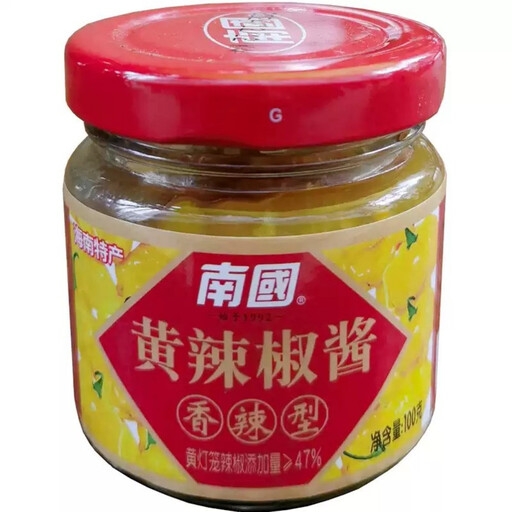
Why this fits the profile: The small size is practical if you want to try a distinctive yellow pepper sauce first with rice, noodles or as a dip.
The product information states the proportion of yellow pepper at a minimum of 47% and a net weight of 100 grams. So you can see what you’re buying in advance.
46 kcal and 1 gram of fat per 100 grams according to the product information; suitable for dipping, noodles and rice.
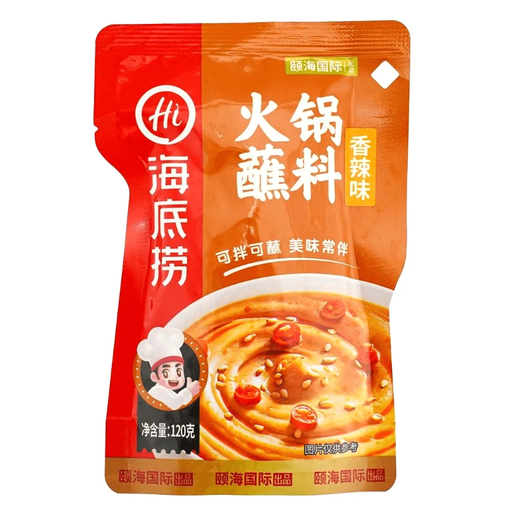
Why this fits the profile: This ready-to-use hotpot sauce combines sesame paste, fermented soya, chilli and Sichuan pepper, according to the product information.
The ingredients and allergens are clearly listed: soya, sesame and wheat. This makes checking easier for a meal with several diners.
120 grams, ready to use and suitable for hotpot, noodles and dumplings, according to the product information.
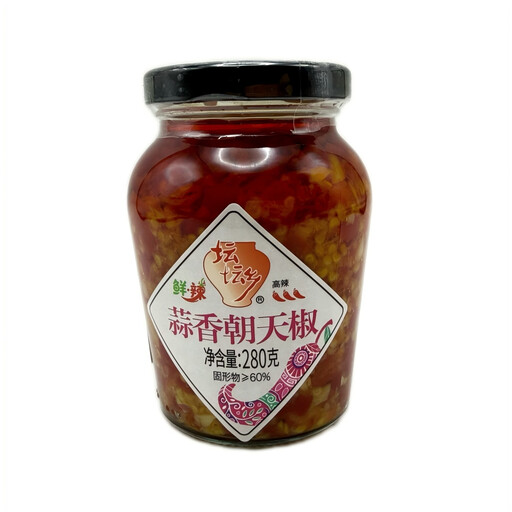
Why this fits the profile: The combination of Chaotian chilli, garlic and fermented black beans is designed for stir-fries, marinades, noodles and dips.
The packaging states 280 grams, the ingredients and the allergen soya. This means you can measure and combine the sauce with confidence.
Ready to use, 280 grams and a clear savoury flavour base with garlic and fermented black beans.
We’ve put together a full, up-to-date list of products that fully meet these strict selection criteria and comply with current European safety regulations.
For noodles you can choose from chilli oil, chilli crisp, sesame paste or a Chinese chilli sauce. An oil-based sauce mixes well with warm noodles; sesame paste gives a thicker, creamier texture. Check the salt content before adding extra soya sauce.
Always follow the label. Many sauces need to be kept in the fridge after opening. Seal the jar or bottle well and use a clean spoon. The shelf life after opening varies by product and isn’t always the same as the unopened best-before date.
For hotpot, sesame paste, Chinese dipping sauce, satay sauce and sauces with Sichuan pepper are popular choices. Pay extra attention to allergens such as soya, sesame, peanut, fish and wheat. You can add chilli oil, garlic or vinegar to a neutral base to suit your taste.
