
Vandaag of morgen in huis

Kwaliteit gegarandeerd

Welkomstaanbiedingen ontgrendelen: GRATIS bezorging | Tot 80% korting | Gratis 30 dagen JoyPlus-proefperiode
Download de app
Choosing a jar of Asian chilli sauce may seem straightforward. Yet chilli oil, sambal, chilli paste and Chinese chilli sauce can differ greatly in flavour, texture, ingredients and uses. A sauce that works well with noodles may be too oily for dumplings. A sweet sauce for snacks may be less suitable for a Hunan or Sichuan stir-fry.
So don’t focus solely on an eye-catching label or a promise of “authentic” flavour. Pay particular attention to the ingredients list, nutritional information, allergens and storage instructions.
A product’s heat level says little about its overall flavour. A smooth hot pepper sauce with vinegar can be fresh and immediately spicy, while a crispy chilli oil adds more aroma, oil and texture. Sambal often contains ground chillies and herbs, but the balance of chilli, salt, sugar and acidity varies from brand to brand.
So first decide what you need the sauce for:
A product containing 0 grams of fat may still contain relatively high amounts of salt, sugar or carbohydrates. For example, Yun Shan Ban 0 Fat Chili Sauce lists 0 grams of fat per 100 grams, but also 2,850 mg of sodium. This makes the nutritional table more important than a short claim on the front of the pack.
With chilli oil, the opposite is true: oil-based products often contain a lot of fat and energy, but their concentrated flavour means you can use them in small quantities. Always compare the values per 100 grams, rather than looking only at the size of the jar.
Chinese and Sichuan products regularly contain soya, peanuts, sesame or wheat. For example, Chuan Nan Appetizing Chili Oil lists soya, sesame and peanuts as allergens. Lao Gan Ma Spicy Crispy Oil Chili contains peanuts, soya, sesame and wheat, among other ingredients.
Also check the packaging if you have an allergy or intolerance. Online product information may change; the current labelling on the packaging remains the definitive source. Many opened products must also be refrigerated. Tantanxiang Chopped Chili for Rice, Liupo Chili Oil and Chuannan Appetizing Chili Oil state that they should be refrigerated after opening and consumed promptly.
A smooth spicy sauce is useful for pizza, snacks, soups and marinades. Encona Hot Pepper Sauce has a liquid texture based on cayenne pepper, vinegar and herbs. This makes it easy to measure.
For rice, bao, dumplings and noodles, products containing pieces of chilli, garlic, peanuts or fermented beans are often more suitable as toppings. Look for words such as “crisp”, “chopped”, “flakes” or “oil”. Sichuan chilli oil may also contain Sichuan pepper, which adds a distinctive aromatic and spicy character.
Ingredients are listed on the label in descending order by quantity. If oil is listed first, the product is probably oil-led. Liupo Chili Oil lists soya oil as its first ingredient, followed by chilli and rapeseed oil. According to the stated specification, Tantanxiang Premium Chopped Chili consists of 75% fresh chilli.
Also consider the flavourings:
A jar of 200 to 330 grams is practical for regular use, but not always ideal if you only eat spicy food occasionally. A 142 ml bottle is easier for beginners to measure. After opening, check the seal, best-before date and instructions on the label. Do not use packaging that is damaged.
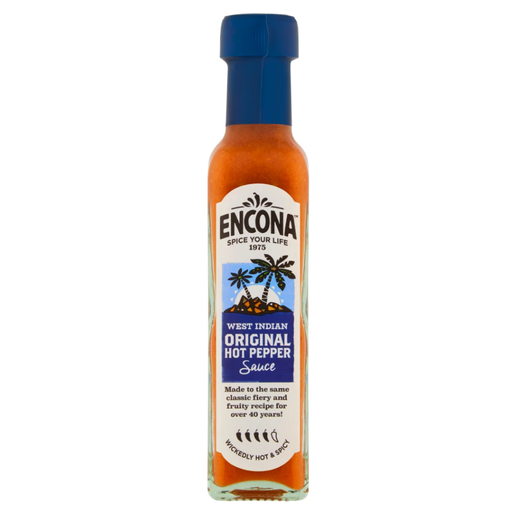
Why it suits this profile: The smooth, pourable sauce is easy to measure for pizza, soup, snacks, marinades or a mayonnaise dip.
The ingredients and nutritional information are clearly stated. This means you can choose a liquid hot pepper sauce rather than an oil-based product when precise portion control is your priority.
142 ml; smooth texture; 21 kcal per 100 grams according to the product specification.
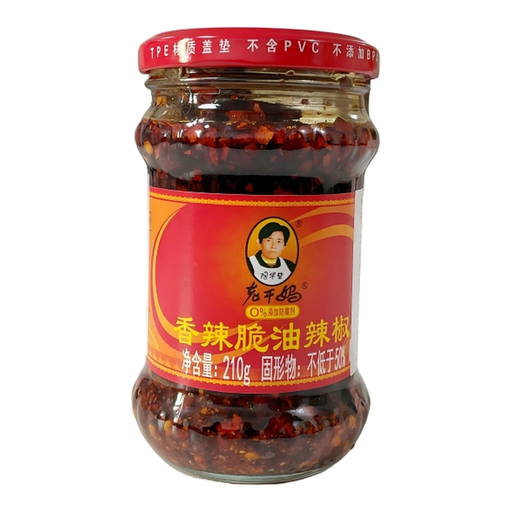
Why it suits this profile: Ideal if you want not only heat, but also crispy pieces and a savoury flavour with rice, noodles, dumplings and hotpot.
The specification states the quantities of chilli flakes, peanuts and soya. This shows you in advance that it is not a smooth sauce and allows you to check the allergens.
210 grams; 20% chilli flakes, 8% peanuts and 6% soya according to the QUID declaration; ready to use.
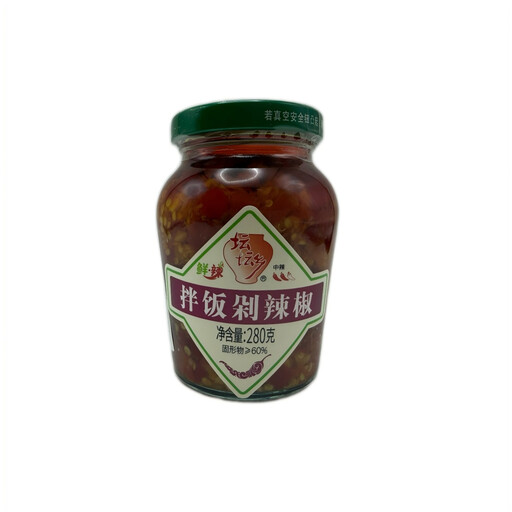
Why it suits this profile: A practical choice if you often make rice, stir-fries or sauces and are looking for a Hunan-style chilli mixture with garlic and ginger.
The packaging states that it is intended as a flavouring rather than a main dish. Salt, allergens and refrigeration after opening are also clearly listed in the product specification.
280 grams; chilli, garlic, ginger and soya sauce; suitable for serving at the table, stir-frying and marinades.
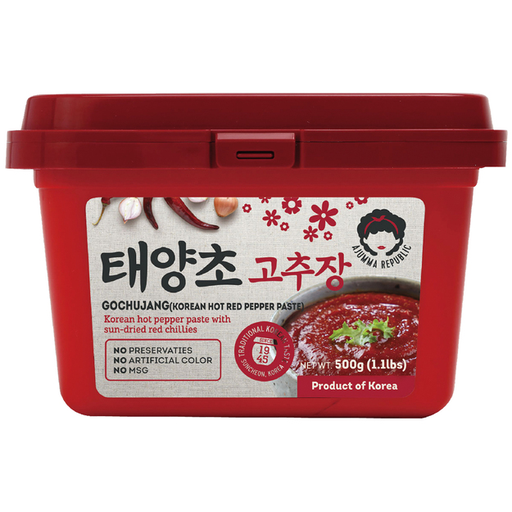
Why it suits this profile: The thick Korean chilli paste is ideal for marinades, stews, bibimbap, bulgogi and dips with a sweet and spicy flavour.
The product information makes it clear that this is gochujang and lists wheat as an allergen. This helps you avoid confusing it with a gluten-free chilli or sambal sauce.
500 grams; 6.12% and 3.88% red pepper powder listed; suitable for cooking, dipping and marinating.
We’ve put together a complete, up-to-date list of products that fully meet these strict selection criteria and the applicable European safety regulations.
Sambal usually consists of ground chilli and additional ingredients such as garlic, salt, sugar or acidity. Chilli oil is made with oil and chilli, often with spices, sesame, peanuts or Sichuan pepper. Chilli sauce is generally more liquid or thickened and may contain vinegar, sugar, tomato or garlic. The right choice depends on the texture and use you want.
Always follow the label. Many oil-based products can be stored in a cool, dark place, while some sauces must be refrigerated after opening. Use a clean spoon, seal the packaging properly and check the smell, colour and best-before date. If in doubt, it is safer to throw it away.
For a quick topping, Lao Gan Ma Chili Crisp Sauce, Lao Gan Ma Spicy Crispy Oil Chili or a Sichuan chilli oil are practical choices. If you prefer a less oily condiment, try chopped chilli or sambal sauce. Gochujang is well suited to Korean rice dishes and marinades thanks to its thicker texture and sweet and spicy composition.
