
Vandaag of morgen in huis

Kwaliteit gegarandeerd

Welkomstaanbiedingen ontgrendelen: GRATIS bezorging | Tot 80% korting | Gratis 30 dagen JoyPlus-proefperiode
Download de app
A jar of Asian chilli sauce might seem like a quick choice, but the differences are significant. One sauce is sweet and mild, another is mostly chilli oil, crunchy bits or fermented peppers. The way you use it also varies: a sauce for dumplings won't automatically work well as a marinade, while chilli crisp is intended as a topping for noodles, rice or stir-fries.
If you rely only on words like "authentic", "extra hot" or "traditional", you could end up buying a product that doesn't suit your cooking. So pay close attention to the ingredients, the intended use and the allergen information.
"Spicy" or "hot" doesn't tell you exactly how much heat to expect. A Sichuan chilli sauce, for example, can have a tingling effect from Sichuan pepper alongside the heat. A sweet chilli sauce often contains a fair amount of sugar and therefore tastes milder, whereas a concentrated chilli paste can be much more powerful.
If you're unsure, start with a small amount. You can always add more later to your sauce for noodles, rice or hotpot.
With chilli oil, a large part of the product is oil, often with chilli, spices, peanuts or sesame. Chilli crisp or crispy chilli oil also contains solid, crunchy ingredients. A liquid hot pepper sauce, on the other hand, is designed for pouring or dipping.
So check whether you're looking for:
Many Chinese chilli sauces contain soya, wheat, sesame or peanuts. These can come from soya sauce, fermented soya beans, peanut pieces or sesame paste. Also check composite ingredients such as "spices", "soya paste" and "seasonings".
The product information on a web shop is useful as a first check, but the packaging remains the final authority. Ingredients, warnings and shelf life can change.
Don't just look at the country of origin; look at the ingredients that determine the flavour.
Comparing products per 100g makes them easier to evaluate. With oily varieties, keep an eye on the fat content; with sweet chilli sauce, the sugar content is a practical point to note. The salt content can also vary widely. For example, the product information for Tantanxiang Premium Chopped Chili states 10g of salt per 100g, while Inproba Sweet Chilli Sauce states 42g of sugar per 100g.
That doesn't automatically make a product unsuitable. It does help you match the sauce to your dish and the amount you use.
A 850ml bottle is handy for a household that uses sweet chilli sauce often, but less practical if you only need a dipping sauce occasionally. Oil and solid ingredients can separate; stir or shake according to the instructions on the packaging.
Always check the storage advice after opening. Some products need to be refrigerated and used up quickly, while others can be kept in a cool, dry place. Also check the best-before date and don't use any product with damaged packaging.
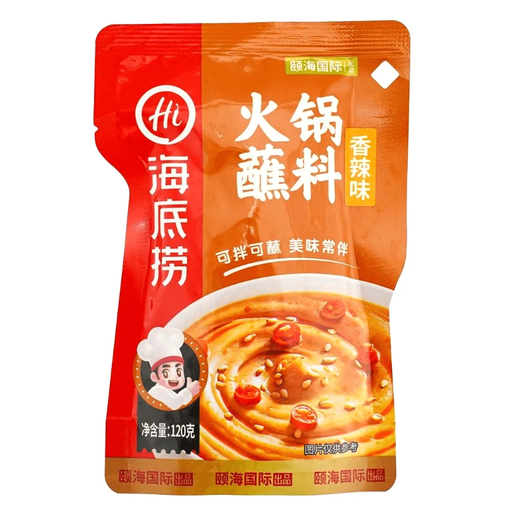
Why this fits the profile: A ready-to-use small pack for anyone who wants to season hotpot, noodles or dumplings without mixing several ingredients. According to the product description, the sauce combines sesame paste, fermented tofu, chilli and Sichuan pepper.
The use is clearly described as a dip or flavour enhancer. This means you don't have to weigh oil, sugar and chilli separately.
120g, ready to use and suitable for hotpot, dumplings and noodles. Contains soya, sesame and wheat; check this if you have allergies.
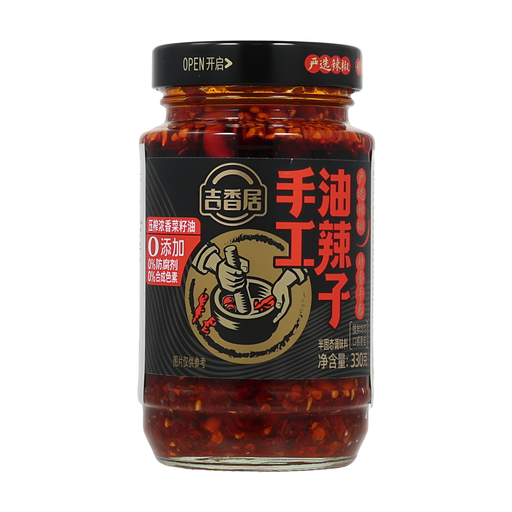
Why this fits the profile: The product information mentions 25% chilli flakes and a combination of spices, garlic, ginger, sesame and peanuts. That suits home cooks looking for texture and layered flavour.
The amount of chilli and the type of solid ingredients are stated. So you know you're not buying a smooth, sweet sauce.
330g and versatile for noodles, dumplings, salads and stir-fries. Contains peanut, sesame, soya and wheat.
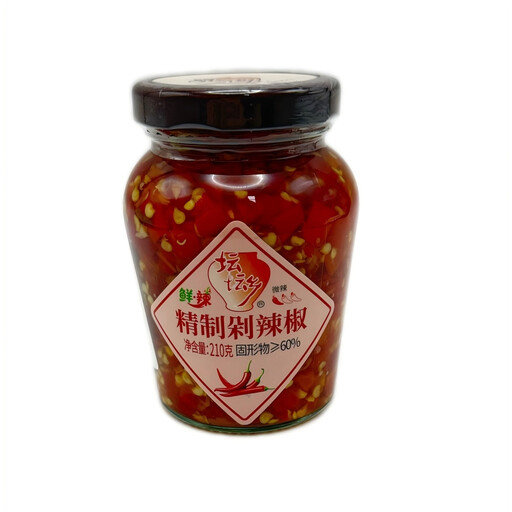
Why this fits the profile: According to the product description, this product consists of 75% fresh chilli and is intended for rice, noodles, stir-fries and steamed fish.
The chilli content is clearly stated. The product is not a sweet chilli sauce and does not contain oil as a main ingredient.
210g, suitable as a seasoning and cooking ingredient. Contains soya; refrigerate after opening and use promptly.
We've put together a full, up-to-date list of products that fully meet these strict selection criteria and comply with current European safety regulations.
A Chinese chilli sauce, chilli oil or Sichuan red oil works well with dumplings. Choose a product with an oily or savoury base if you're after umami and heat. A sweet chilli sauce, on the other hand, gives a milder, sweeter dipping flavour.
Always follow the label. Some sauces can be kept in a cool, dry place; others need to be refrigerated after opening. Stir oily sauces before use and use a clean spoon to avoid contamination.
No. Gochujang is a Korean fermented red pepper paste, usually thicker and sweet-spicy. Chinese chilli sauce covers several styles, such as chilli crisp, Sichuan chilli sauce and Hunan chilli sauce. Choose gochujang for Korean marinades, stews and bibimbap; choose a Chinese variety for noodles, dumplings or hotpot, for example.
