
Vandaag of morgen in huis

Kwaliteit gegarandeerd

Welkomstaanbiedingen ontgrendelen: GRATIS bezorging | Tot 80% korting | Gratis 30 dagen JoyPlus-proefperiode
Download de app
A jar of Asian chilli sauce can add more flavour to a bowl of noodles, rice or dumplings in just seconds. Yet many sauces look alike on the shelf. One may be a fermented chilli paste for marinades, while another is an oily Chinese chilli sauce or a sweeter sambal to serve with snacks.
If you focus only on words such as “authentic”, “extra hot” or “restaurant-style”, you could end up with a sauce that does not suit the dish. Instead, pay close attention to verifiable information: ingredients, allergens, net weight, origin, preparation method and storage instructions.
A sauce with lots of chilli is not automatically suitable for every dish. Some varieties contain garlic, fermented beans, sesame or Sichuan pepper. These ingredients influence the aroma and texture just as much as the chillies themselves.
A hot pepper sauce may work well with dumplings but be too sharp as a marinade. A milder gochujang, on the other hand, adds sweetness, umami and a fermented flavour to stews and stir-fries.
Marketing language means little without product specifications. Check the proportion of chilli and the other flavourings. Gochujang usually contains ingredients including red pepper, rice or grains, fermented soya and salt. A Sichuan chilli sauce may also contain Sichuan pepper, broad bean paste and pickled vegetables.
According to information provided by the brands or suppliers themselves, certain products are traditionally prepared or made according to an authentic recipe. This is an origin or preparation claim made by the supplier, not a guarantee that the product will suit your personal taste. The ingredients list remains the practical point of reference.
Asian sauces regularly contain soya, wheat, gluten, sesame, peanuts or shellfish. Always check the packaging, especially when cooking for guests. Online product information may differ from the physical label.
Also consider the pack size. A 100 to 200-gram pack is useful for trying a flavour first. For a household that often cooks Asian food, or for catering use, 500 grams or 1 kilogram may be more practical. Storage advice varies after opening: some products must be refrigerated and used quickly.
The stated chilli content provides an objective indication, but it does not fully predict how hot a sauce will taste. For example, Liu Po Spicy Dipping Sauce contains 60% chilli and 2% Sichuan peppercorns. Ji Xiang Ju Mala (Sichuan Peppercorn & Chili) Sauce contains 39% chilli and 2% Sichuan peppercorns. Sichuan pepper also creates a distinctive tingling or numbing sensation in the mouth.
For a fresher, sharper chilli paste, you could consider Nan Guo Spicy Yellow Pepper Sauce, which contains at least 47% yellow pepper. If you are looking for more sweetness and fermentation, gochujang or a Korean chilli sauce may be a better choice.
Compare the nutrition table per 100 grams. Salt, sugar and fat can vary considerably. Lao Gan Ma Chili Sauce, for example, contains oil and fermented black beans, while gochujang is generally a thicker paste made with grains and fermented soya.
A low calorie content does not automatically mean low salt. Nan Guo states 46 kcal per 100 grams, but also has a high salt content. Use this type of sauce as a flavouring and keep an eye on the serving size. If you have an allergy or intolerance, the label takes precedence; do not rely solely on a general product description.
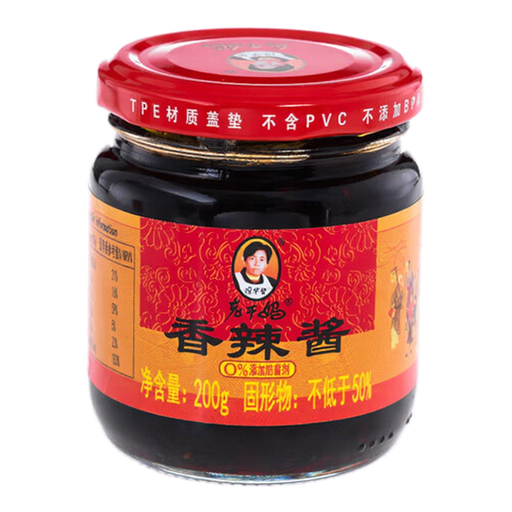
Why it suits this profile: A versatile Chinese chilli sauce for rice, noodles and everyday use, without needing several different flavourings.
The ingredients list includes chilli, fermented black beans, oil and herbs, helping you choose a savoury, oily sauce rather than focusing on heat alone.
200 grams; contains fermented black beans and is suitable both as a table condiment and a cooking ingredient.
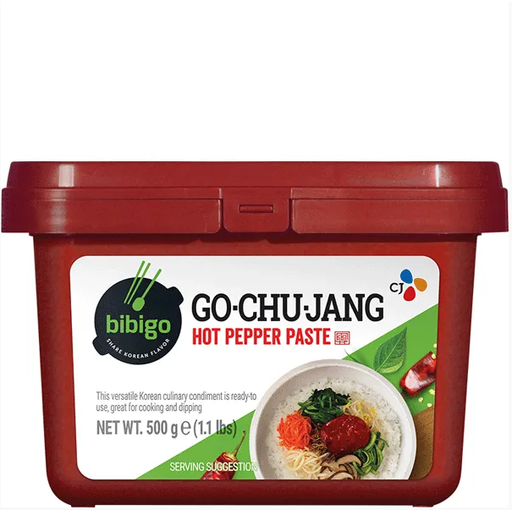
Why it suits this profile: For anyone looking for a Korean chilli sauce with a thick texture, gentle heat and a vegan recipe.
The product information explicitly states that no animal ingredients, anchovies or seafood have been used. However, wheat and soya remain present allergens.
570 grams; suitable for bibimbap, tteokbokki, marinades, dressings, dips and stir-fries.
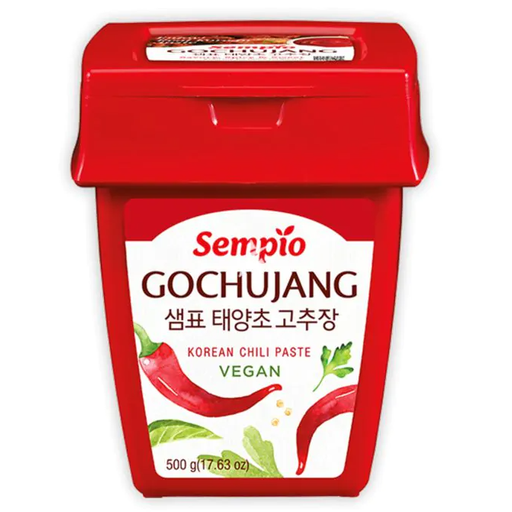
Why it suits this profile: A generous pack for home cooks and catering kitchens that regularly prepare Korean marinades, dips or stir-fries.
The description specifies a fermented base, 11% chilli powder and moderate heat. This means the sauce has not been selected solely on the basis of a vague “extra hot” claim.
500 grams; suitable for stir-fries, dips and marinades; contains soya, wheat and gluten.
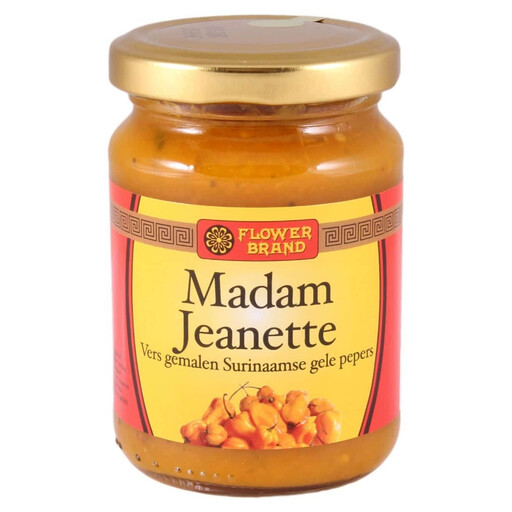
Why it suits this profile: For those who prefer a short ingredients list and the distinctive flavour of Madam Jeanette peppers with rice, snacks and stews.
The recipe contains 92% Madam Jeanette, giving it a clearer flavour profile than a general hot pepper sauce with lots of sugar or oil.
200 grams; 92% Madam Jeanette; according to the product information, free from the 14 main EU allergens.
We have put together a complete, up-to-date list of products that fully meet these strict selection criteria and the applicable European safety regulations.
Gochujang is a Korean fermented chilli paste with a thick texture and often a sweet-savoury flavour. Sambal is a broader term for a ground chilli mixture. Indonesian, Surinamese and other sambals can vary considerably in terms of pepper, sugar, oil, acidity and additional ingredients.
Always follow the label. Many oily Chinese sauces and sambals must be refrigerated after opening and then used relatively quickly. Other products simply state that they should be stored in a cool, dry and dark place. Close the packaging securely and do not use the product if the packaging is damaged.
There are several options for noodles. Lao Gan Ma adds oil and savouriness, a Sichuan chilli sauce brings pepper and a tingling sensation, while gochujang provides a thicker, sweeter Korean base. A spicy dipping sauce is useful if you want to control the amount added to each bowl. However, check the salt content and allergens beforehand, particularly soya, wheat, gluten, sesame and peanuts.
