
Vandaag of morgen in huis

Kwaliteit gegarandeerd

Welkomstaanbiedingen ontgrendelen: GRATIS bezorging | Tot 80% korting | Gratis 30 dagen JoyPlus-proefperiode
Download de app
A jar of Asian chilli sauce can be a quick way to add some kick to noodles, rice, dumplings or stir-fries. Yet not all sauces are the same. Some are sweet and smooth, while others contain oil, beans or chilli pieces. The amount of salt, sugar and allergens also varies considerably.
If you rely solely on a flashy label or a description like “extra hot”, you could end up with a product that doesn’t suit your dish or your personal taste. So pay close attention to the ingredients list, texture, intended use and storage instructions.
The terms “hot” or “spicy” don’t tell you exactly how much heat to expect. There’s no universal scale that applies to every Asian chilli sauce in the same way. A sauce with garlic, fermented beans or sesame can therefore be more interesting than a product that’s simply sharp-tasting.
Look at the percentage of chilli, the presence of sugar and the other flavourings. For example, Flying Goose Sriracha Chilli Sauce with Mustard contains 61% chilli and 5.5% mustard paste according to the product information. That gives a different flavour profile to a Chinese chilli oil with peanuts and fermented black beans.
A smooth, sweeter sauce works well as a dip for spring rolls, snacks or grilled food. An oil with crispy chilli pieces is better suited to noodles, rice, dumplings and stir-fries. Gochujang, with its thick, paste-like texture, is ideal for marinades, stews and Korean sauces.
Choosing the wrong texture can make a dish heavy or difficult to mix. So first decide whether you’re looking for a hot sauce, chilli oil, chilli paste, chilli flakes or chilli powder.
Asian condiments often contain soya, wheat, gluten, peanuts, sesame or sulphites. For instance, Lao Gan Ma Spicy Crispy Oil Chili lists peanuts, soya, sesame and wheat as allergens. According to the product information, its nutritional value is 2.9 grams of salt per 100 grams.
Always check the label on the packaging before buying. The product page may contain less information or different details than the physical product. Also pay attention to the storage instructions after opening: some products need to be kept in the fridge and used within a reasonable time.
A higher chilli percentage doesn’t automatically mean a better-fitting sauce, but it does provide context. Tantanxiang Premium Chopped Chili contains 75% fresh chilli according to the product information. TanTan Xiang Selected Small Chili states 52% chilli. A product with oil, sugar, garlic or fermented beans can offer more umami and depth, even with a lower chilli content.
Look at the order of ingredients: what comes first is usually present in the largest amount. Also check whether you’re looking for a sambal alternative or a distinct Chinese, Korean, Thai or Vietnamese flavour.
For regular use, 210 to 330 grams can be practical. A 500-gram pack is more suited to households that cook Asian food often or for professional use. Compare not just the price but also the size and shelf life.
With oil products, look at the high fat content, and with sweeter sauces, check the sugar. This doesn’t make a product unsuitable, but it helps you dose the condiment appropriately. After opening, some jars need to be refrigerated; follow the instructions on the label.
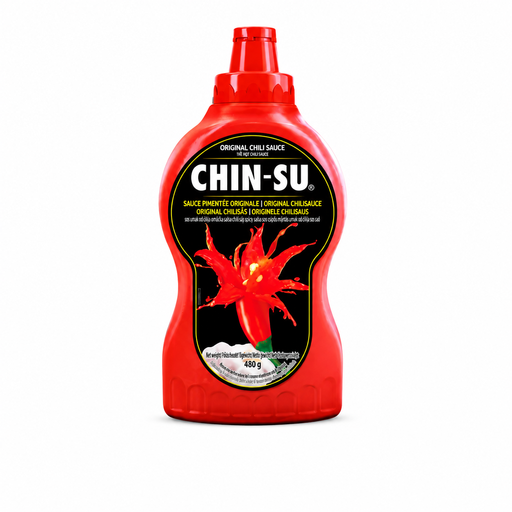
Why this suits the profile: The smooth sauce is ready to use as a dip, topping or addition to noodles, snacks and sandwiches.
The product information mentions a medium heat level and a smooth texture, making it easy to dose.
480 grams, ready to use and, according to the product information, free from the 14 main EU allergens.
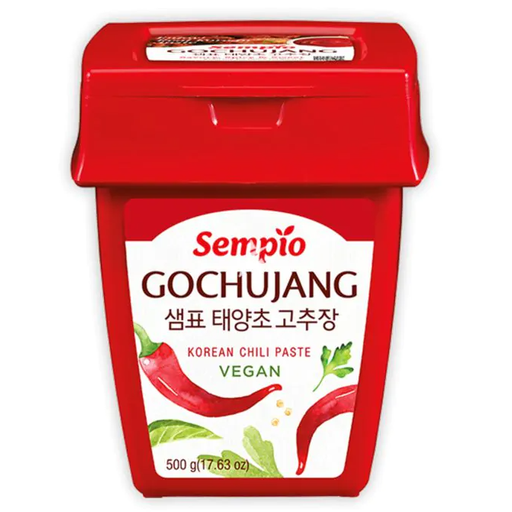
Why this suits the profile: This thick Korean chilli paste is ideal for marinades, dips, stir-fries and sauces where a full flavour is desired.
The product description mentions a moderate heat and a rich texture, so it’s not just about sharpness.
500 grams, with fermented rice and soya bean paste; contains soya, wheat and gluten.
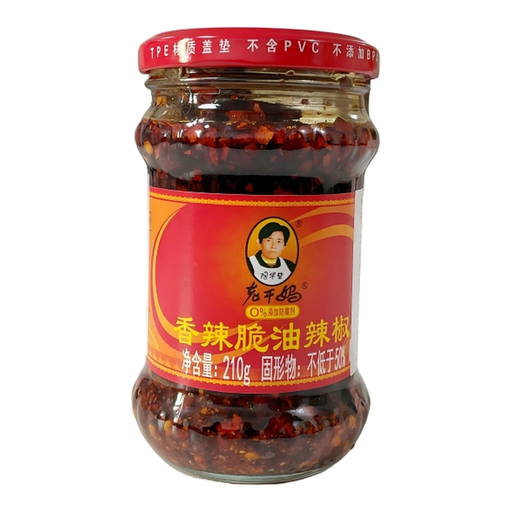
Why this suits the profile: The combination of oil, chilli pieces, peanuts and black beans is practical as a topping for noodles, rice, dumplings and hotpot.
The visible pieces and listed ingredients make the texture and flavour profile clearer than with a smooth sauce.
210 grams, ready to eat and suitable for rice, noodles and stir-fries; contains peanuts, soya, sesame and wheat.
We’ve put together a full, up-to-date list of products that fully meet these strict selection criteria and comply with current European safety regulations.
That depends on the dish. A smooth sriracha chilli sauce is practical for dips and snacks. For rice or noodles, crispy chilli oil gives more texture. Gochujang is a suitable alternative when you’re after a thick, slightly sweet and fermented Korean flavour.
Always follow the label. Some sauces can be stored in a cool, dry place, while others need to go in the fridge after opening. Use a clean spoon, seal the jar properly and check the smell, colour and texture before use. If in doubt, it’s best not to use the product.
Not necessarily. The heat depends on the type of chilli, the quantity and other ingredients. Chilli oil can taste milder due to the oil and extra flavourings, while a smooth chilli sauce may contain more sugar, acid or garlic. Start with a small amount and add more to taste.
