
Vandaag of morgen in huis

Kwaliteit gegarandeerd

Welkomstaanbiedingen ontgrendelen: GRATIS bezorging | Tot 80% korting | Gratis 30 dagen JoyPlus-proefperiode
Download de app
A jar of Asian chilli sauce may seem simple to choose, but the difference between sweet, savoury, fermented and aromatic heat is considerable. A sauce that works well with spring rolls may be too sweet for noodles. Chilli oil with plenty of Sichuan pepper can create a completely different mouthfeel from a smooth Vietnamese sauce.
Marketing copy can also be confusing. Pay particular attention to the ingredients list, nutritional values, allergens and suggested uses. This helps you avoid buying a large bottle that ultimately does not suit your cooking style.
“Extra hot” does not tell you how much chilli the sauce actually contains, nor does it say much about the rest of its flavour profile. Some sauces are mainly sweet, while others contain fermented beans, garlic, sesame or Sichuan pepper. With a Chinese chilli sauce or Hunan chilli sauce, savouriness is often just as important as heat.
Check the order of the ingredients. Ingredients are generally listed from greatest to smallest quantity. If sugar or oil appears near the top, it is likely to make up a significant part of the flavour and texture.
A smooth sweet chilli sauce is practical for dipping, while chilli crisp adds texture to rice or noodles. A hotpot dipping sauce may contain sesame paste, fermented tofu and Sichuan pepper. That combination will not automatically suit every dish.
Think about how you want to use the sauce before you buy it:
Asian seasonings often contain soya, sesame, peanuts, wheat or sulphites. Always check the current packaging, particularly if you have allergies or intolerances. Product information on a website may change; the label on the packaging remains the definitive source.
Nutritional values also highlight practical differences. An oil-based sauce often contains a lot of fat per 100 grams, while sweet chilli sauce generally contains more carbohydrates and sugars. A product marked “0% fat” may still contain a relatively high amount of salt. Yun Shan Ban 0 Fat Chili Sauce, for example, lists 2,850 mg of sodium per 100 grams. This is information to consider, not a judgement on the product.
First, choose the base that suits your dishes:
The texture determines how evenly the sauce spreads. A thick sauce stays on fried snacks more effectively, while oil mixes easily through noodles.
There is no universal European scale that compares all chilli sauces in the same way. Instead, look at the specific ingredients and descriptions on the label. Sichuan chilli oil, for example, often contains Sichuan pepper, which can create a tingling or numbing sensation in addition to heat. This differs from ordinary dried chilli.
Garlic, ginger, sesame, peanuts, black beans and fermented tofu add extra aroma. If you prefer a milder sauce, choose a sweet chilli sauce or a product whose manufacturer describes it as mild. According to the brand’s product description, Chinsu Chili Sauce has a medium level of heat; treat this as a statement from the brand and check the packaging for precise information.
An 850 ml bottle is practical for a large household or catering use, but less suitable if you only use the sauce occasionally. Smaller jars of 200 to 330 grams offer more variety without requiring you to open several large packs at once.
Pay attention to the storage instructions:
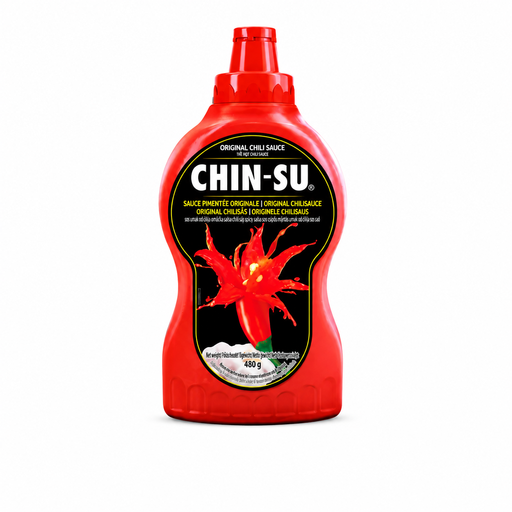
Why it suits this profile: Its smooth texture and versatility make this Vietnamese chilli sauce an accessible choice for dips, soups, stir-fries and snacks.
The product information states a medium level of heat, making the flavour profile clearer than a general claim that it is simply “hot”.
480 grams; 0 grams of fat per 100 grams according to the product information; according to the listed allergen information, contains none of the 14 major EU allergens.
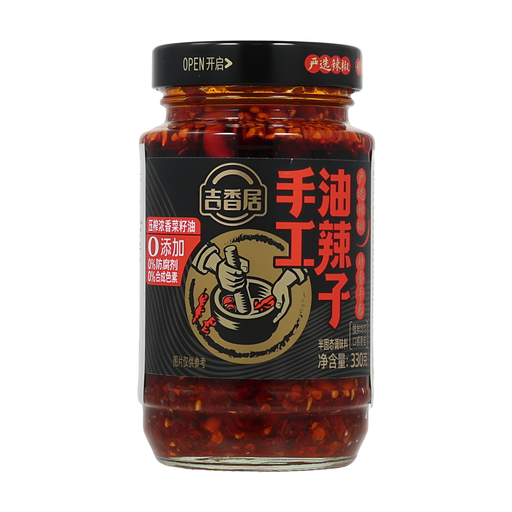
Why it suits this profile: This oil contains 25% chilli flakes and spices such as Sichuan pepper, star anise and cinnamon, creating a distinctive Chinese flavour profile.
The ingredients list makes it clear that this is not a neutral oil, but an aromatic chilli oil containing peanuts, sesame, soya and wheat.
330 grams; suitable for noodles, dumplings, rice, salads and stir-fries; solid ingredients provide extra texture.
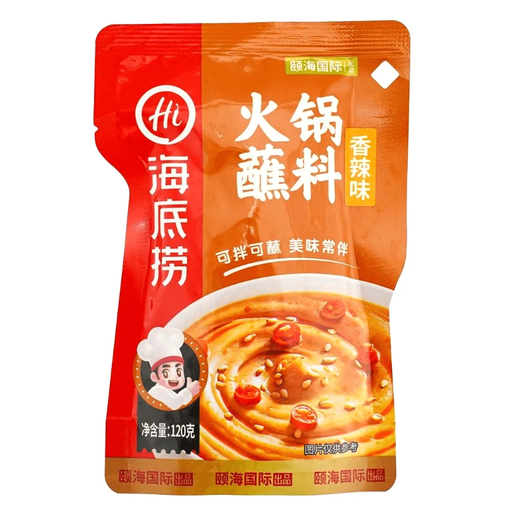
Why it suits this profile: Designed for hotpot and dipping, with sesame paste, fermented tofu, chilli and Sichuan pepper in a ready-to-use blend.
The product is clearly associated with hotpot, noodles and dumplings. This means you do not need to adapt a general-purpose sauce for a specific dipping occasion.
120 grams; ready to use; according to the label, contains soya, sesame and wheat; refrigerate after opening and use promptly.
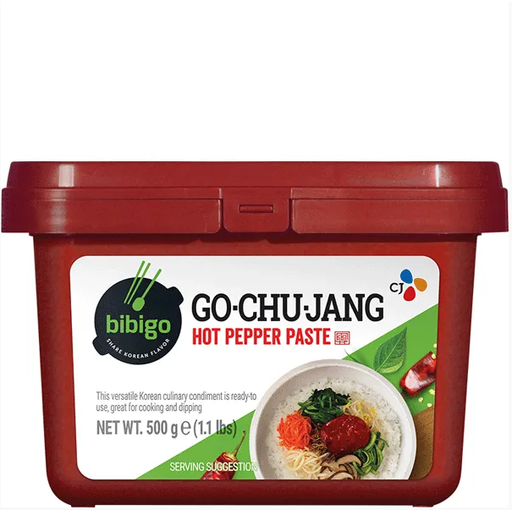
Why it suits this profile: According to the product information, this Korean chilli paste is vegan and suitable for rice, tofu, vegetables, marinades and stir-fries.
The product description explicitly states that no animal products have been added. Nevertheless, check the label every time you buy it.
570 grams; fermented chilli paste; according to the listed ingredients, contains wheat and soya.
We have put together a complete, up-to-date list of products that fully meet these strict selection criteria and the applicable European safety regulations.
Chilli oil consists mainly of oil infused with chilli and spices. Chilli crisp also contains solid pieces, such as chilli flakes, peanuts, sesame or beans. This gives chilli crisp more bite and texture when added to rice, noodles and dumplings.
For noodles, you can choose chilli oil, chilli crisp, Sichuan chilli oil or a savoury Chinese chilli sauce. Oil mixes easily through hot noodles. A thick gochujang or fermented Hunan chilli sauce adds more body and works well in stir-fries. Always check the allergens in peanut or sesame varieties.
This varies from product to product. Follow the instructions on the packaging: some sauces can be stored in a cool, dry place, while others must be refrigerated after opening. Always use clean utensils, seal the packaging securely and check the smell, colour, signs of mould and stated shelf life.
