
Vandaag of morgen in huis

Kwaliteit gegarandeerd

Welkomstaanbiedingen ontgrendelen: GRATIS bezorging | Tot 80% korting | Gratis 30 dagen JoyPlus-proefperiode
Download de app
Looking for Asian candy, but unsure which product is right for you? The selection ranges from Korean gummies and Pepero to Japanese jelly candy, mochi and soft sweets. The packaging is often eye-catching, but it does not always tell you enough about the ingredients, allergens, serving size or texture.
Pay particular attention to these common pitfalls:
Before purchasing, check whether the candy contains gelatine, milk, soy, gluten, egg, sesame or nuts. Gelatine is often used in Korean gummies. For example, Cokoc Mega Trophy Gummies Mango 150 g lists gelatine derived from beef skin. This does not automatically make the product halal; a clear halal statement or certification is required for that.
LOTTE Pepero Chocolate Bar 32 g lists wheat, milk and soy among its allergens. The product information states that this variant is halal certified. The Almond & Chocolate variant also contains almonds. If you need to avoid allergens, review the full ingredients list and any cross-contamination information carefully.
Texture often matters more than flavour when deciding whether a product suits you:
Pay close attention to the preparation and usage instructions for jelly products. Jelly B Konjac Jelly Mango 150 ml contains a konjac gum mixture and, according to the product information, is halal certified and gluten-free. That is different from making a general assumption about all konjac or jelly products.
Compare the net quantity and nutritional values per 100 grams. The figures can vary considerably:
This information does not tell you which candy to choose, but it can help you determine an appropriate portion. Individually wrapped Asian treats are practical for parties. For gifting, a larger pack containing multiple portions may be more convenient.
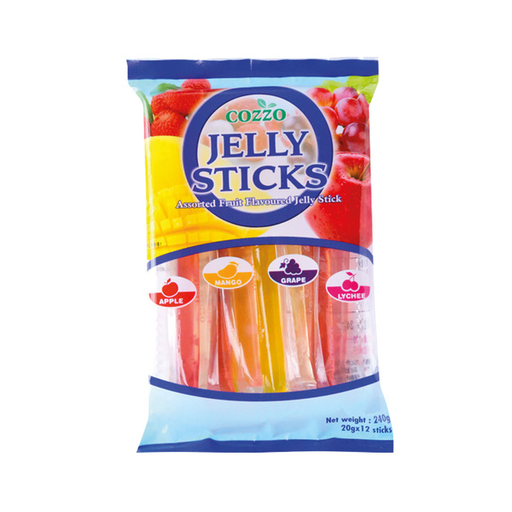
Why it’s a good fit: An accessible introduction to a range of fruit flavours, ideal for lunch boxes, parties and sharing.
The packaging states 240 g and 12 sticks of 20 g each. This makes portioning clearer than with one large, loose bag.
Four fruit flavours, individually wrapped and, according to the product information, free from the 14 major EU allergens.
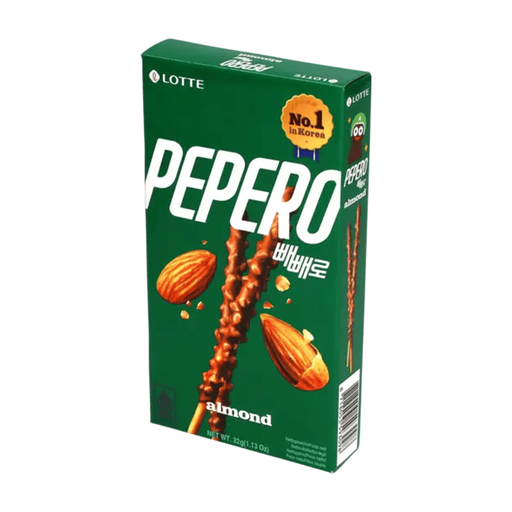
Why it’s a good fit: For anyone looking for a taste of Korean snack culture in a compact combination of biscuit, chocolate and almond.
The allergens are clearly listed: wheat, milk, soy and almonds. This helps you make an informed choice rather than judging solely by the front of the packaging.
The product listing mentions halal certification and a weight of 32 g, making it suitable as a small treat or an addition to a gift.
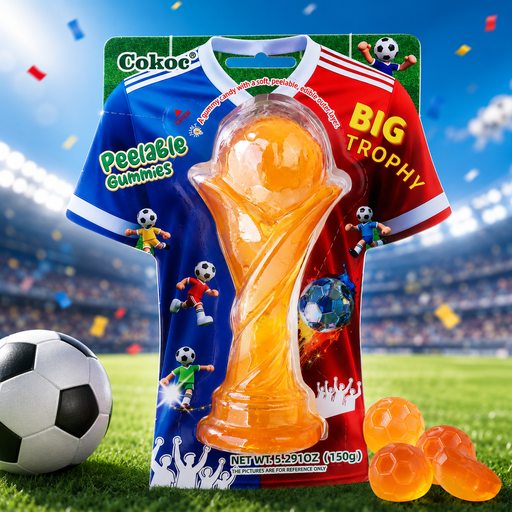
Why it’s a good fit: The peelable mango gummies create a playful snack experience at home, at parties or for themed celebrations.
The ingredients list 3.5% concentrated mango juice, as well as E110 and E102. Check in advance whether the flavour and colouring information suits your household.
Peelable format, 150 g contents and gelatine derived from beef skin, according to the product description.
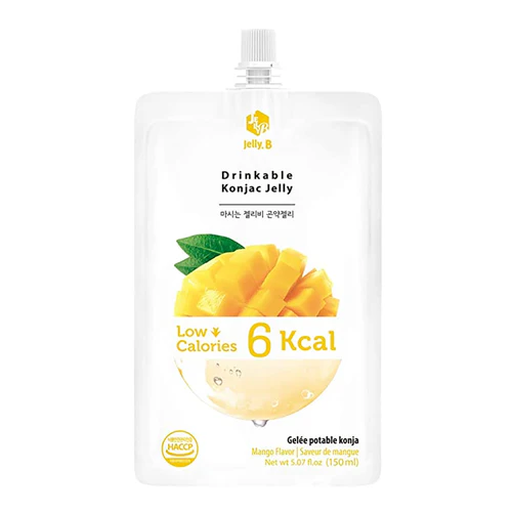
Why it’s a good fit: For consumers who want to try a light mango jelly with no sugar listed in the nutritional table.
The product information lists sweeteners, including sucralose and acesulfame K. Do not compare products based solely on the term ‘sugar-free’; read the full composition instead.
According to the product listing, 3 kcal per 100 ml, halal certified and gluten-free.
Browse a current selection of Korean sweets in a range of flavours, textures, formats and ingredient profiles.
No. Korean candy includes products such as Pepero, Choco Pie, fruit gummies and soft sweets from brands such as LOTTE and Orion. Japanese candy has its own specialities, including mochi and sweets with sour or savoury flavour profiles. Flavour, texture and ingredients vary by product, so always consult the individual product page.
That depends on the product. According to the product information, COZZO Fruit Jelly Sticks and Cokoc Peelable Gummies Mixed Fruit Flavor do not contain any of the 14 major EU allergens. Other products contain wheat, milk, soy, almonds or gelatine. Use this information as an initial filter, and always check the current label when your order arrives.
Most candy should be stored in a cool, dry place away from direct sunlight. Reseal opened packs securely. Individually wrapped gummies and jelly sticks are convenient for taking on the go, but chocolate products such as Pepero and Choco Pie may lose their texture in warm conditions. The specific best-before date and storage instructions are printed on the packaging.
