
Vandaag of morgen in huis

Kwaliteit gegarandeerd

Welkomstaanbiedingen ontgrendelen: GRATIS bezorging | Tot 80% korting | Gratis 30 dagen JoyPlus-proefperiode
Download de app
Curious about the unique flavours of Asian candy, inspired by anime, K-pop, or your latest travels? The world of Japanese, Korean, and Chinese confectionery is vast and adventurous. But it can also be overwhelming. Sometimes, a purchase ends in disappointment due to unexpected flavours or unclear information. As a Joybuy Product Recommendation Officer, I'm here to help you make the right choices, ensuring your journey of discovery into the world of Asian candy is a success.
Before you fill your shopping cart, here are a few common pitfalls:
To avoid disappointment, it's helpful to pay attention to a few specific things. This will help you find candy that truly suits your palate.
Asian candy is rarely just sweet. The complexity of its flavours is precisely what makes it so interesting. Look for the following descriptions:
sour candies from Asia are more intense than what we're used to. Look for terms like "super sour" or "citric acid" high on the ingredient list if you're looking for a real challenge.Nin Jiom use traditional herbs such as loquat and liquorice. This Chinese confectionery is often intended to soothe the throat and has a unique, slightly medicinal taste.Plum candy (ume) is a classic. The flavour is a unique mix of sweet, sour, and sometimes salty. It's a taste you might need to learn to appreciate, but it becomes a favourite for many.The texture is a huge part of the experience, from hard candies that melt slowly to soft, chewy varieties. Check the packaging for:
Oishi and Hongyuan specialise in this.To get you started, we've highlighted a few popular choices that suit different taste preferences.

Why This Fits Their Persona: For those who aren't afraid of a challenge. This Japanese candy is exactly what it promises: an intense, sour lemon flavour that will wake up your taste buds. Perfect for anyone who finds standard sour candies too mild.
The name "Super Sour" is a clear indicator of the taste, so you know exactly what to expect, avoiding the pitfall of an unexpected flavour.
Made with real lemon juice for an authentic taste. Individually wrapped, making them convenient for on-the-go.

Why This Fits Their Persona: Ideal for those seeking a traditional, soothing flavour. This candy combines Nin Jiom's classic herbal formula with the sweet and sour taste of ume plum. A trusted choice for expats or lovers of Chinese confectionery.
The ingredient list is specific, mentioning ingredients like ume plum and liquorice root. This provides clarity on the herbal and complex flavour profile.
Combines a soothing effect for the throat with a unique plum flavour. Packaged in a convenient, reusable tin.
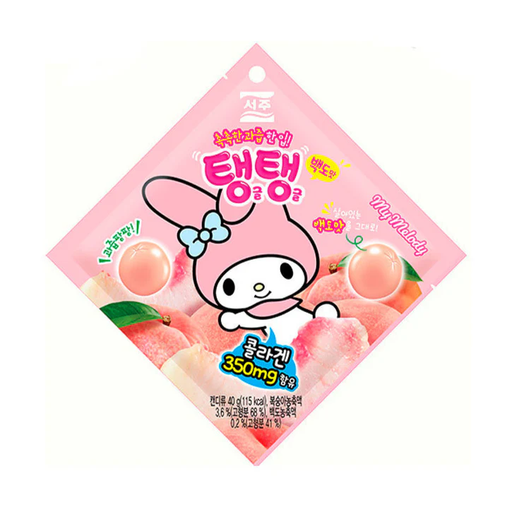
Why This Fits Their Persona: This Korean candy combines a popular flavour (white peach) with adorable My Melody packaging. Perfect for fans of Sanrio, K-pop, and the 'kawaii' culture who are looking for a photogenic and tasty treat.
This candy delivers more than just cute packaging. The white peach flavour is accessible and well-loved, minimising the risk of a disappointing taste experience.
Soft, chewy texture. Made with white peach juice for a rich fruit flavour. The packaging is a bonus for collectors.
Didn't find what you were looking for? There are many more flavours to discover. Browse our full assortment and find your new favourite.
Yes, often it is. While there are many sweet fruit flavours, the emphasis in much Asian candy is on a balance between different tastes. Expect combinations of sweet with sour, salty, or even a light umami note. The texture can also be surprising, ranging from powdery and melt-in-your-mouth to extremely chewy.
With plum candy (often made from the Japanese ume plum), it's good to know that the flavour is intense. It's a mix of sweet, sour, and salty. Some varieties are made from preserved plums and have a stronger, more complex taste. If you're trying it for the first time, choose a hard candy with a plum flavour; they are often milder and more accessible.
Not necessarily. Although many popular Korean candies are known for their sweet and fruity flavours (like peach, grape, and strawberry), there are also many sour and even savoury options. Just like in other Asian cuisines, it's often about balance and the element of surprise.
