
Vandaag of morgen in huis

Kwaliteit gegarandeerd

Welkomstaanbiedingen ontgrendelen: GRATIS bezorging | Tot 80% korting | Gratis 30 dagen JoyPlus-proefperiode
Download de app
The world of Asian candy and snacks is colourful, surprising, and immensely popular. From the soft, chewy texture of Japanese candy to the bold flavours of Korean snacks, there's always something new to discover. But with so much choice online, it's easy to make a disappointing purchase. As a Joybuy Product Recommendation Officer, I often see where things go wrong. Before you fill your shopping cart, here are a few common pitfalls.
To help you make a great choice, we'll explain what to look for.
An informed choice starts with understanding the basics. Pay attention to the following three points to ensure you get exactly what you're looking for.
Texture is often the most distinctive feature of Asian snacks. The three most popular types each have a unique structure.
Asian candy offers a wide range of flavours that go beyond standard fruit tastes. Be prepared for:
Always check the product page for a clear ingredient list and allergen information that complies with local regulations. Products intended specifically for the European or Western market will have this information clearly stated. Look out for common allergens like soy, milk, gluten, and nuts, which are often used in fillings or coatings.
To get you started, we've selected a few products that suit different preferences, based on their specifications.
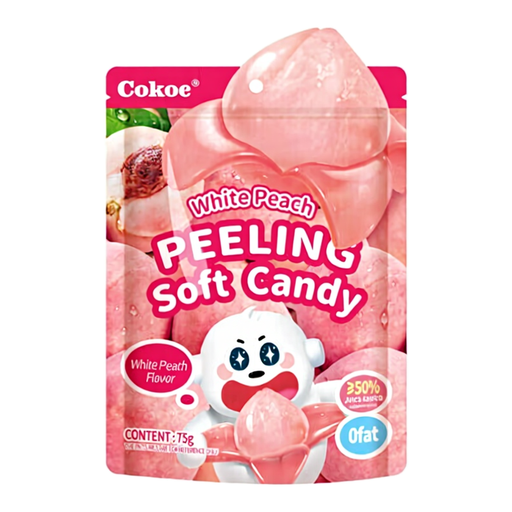
Why This Fits Their Persona: Ideal for those new to the world of Asian snacks. The peach flavour is familiar, and the 'peelable' marshmallow adds a playful element without introducing a texture that's too unfamiliar.
The texture is a soft marshmallow, which isn't a major surprise. The product name already describes the playful 'peeling' feature, so you know what to expect.
Made with 50% fruit juice concentrate for a distinct peach flavour. Fat-free and contains no artificial perfumes.
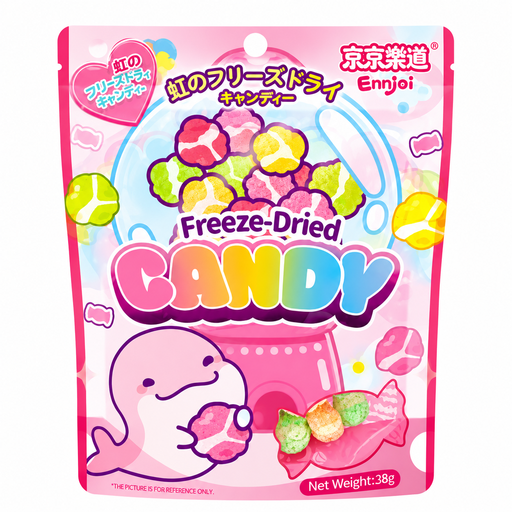
Why This Fits Their Persona: Perfect for anyone who wants to try the freeze-dried candy hype. The sour flavour and crunchy texture are exactly what you see trending on social media.
The name "Freeze Dried Candy" is a clear indicator of its unique, crunchy texture. This prevents the surprise of an unexpected consistency.
Offers a completely new eating experience: airy, crunchy, and with an intense, sour flavour. A small bag for a perfect first taste.
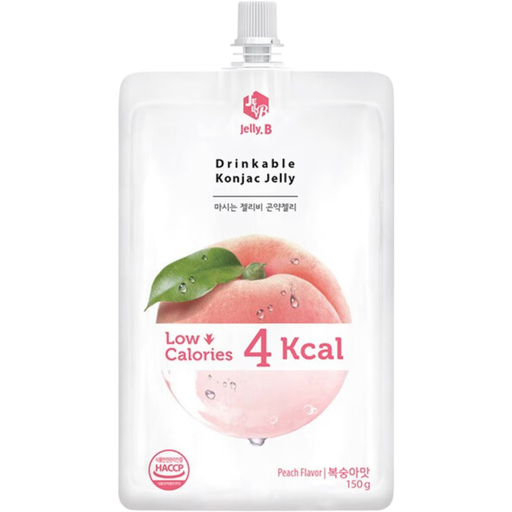
Why This Fits Their Persona: For those looking for a lighter snack. This konjac jelly in a convenient squeeze pouch is low in calories but still offers a satisfying, fruity flavour and an interesting texture.
The product is clearly described as "Konjac Jelly," which indicates its firm, unique texture. The calorie information is prominently displayed, so there are no surprises there.
Very low in calories (10 kcal per pouch). The packaging is convenient for on-the-go, and the jelly is made with real pear juice concentrate.
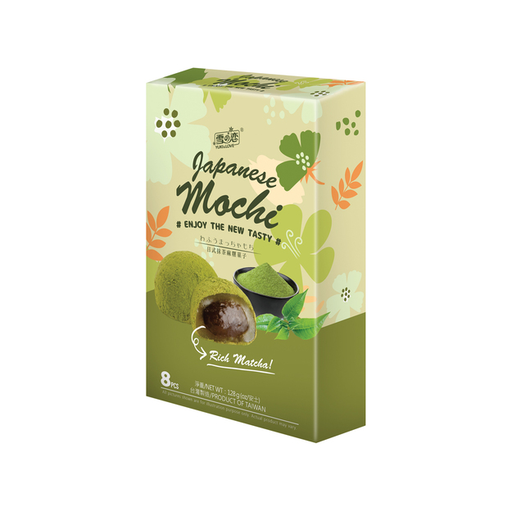
Why This Fits Their Persona: For those seeking an authentic Japanese flavour experience. This mochi combines the traditional chewy texture with a rich matcha filling, a classic for the connoisseur.
The product name "Mochi Rice Cake Matcha" is very specific. It prepares you for the chewy texture of glutinous rice and the characteristic, slightly bitter taste of matcha.
Made with traditional craftsmanship using glutinous rice flour. The filling contains selected matcha powder for an authentic tea aroma.
We have compiled a complete, up-to-date list of products that fully meet these selection criteria and local regulations.
While there is a lot of overlap, there are general differences. Japanese candy often focuses on subtle, refined flavours like matcha and yuzu, and on unique textures like mochi. Korean candy more frequently plays into pop culture and trends, with bright colours and bold, intense flavours like extremely sour or sweet.
Traditional mochi is made from glutinous rice flour, which is naturally gluten-free. However, the fillings, coatings, or production facilities may come into contact with gluten. If you have a gluten intolerance, it is crucial to always check the label for any "may contain traces of gluten" warnings.
This depends on the type. Mochi and other soft rice cakes are best stored in an airtight container in the refrigerator and consumed within a few days to prevent them from drying out. Freeze-dried candy must be stored in an airtight container in a dry place; otherwise, it will absorb moisture and become soft again. For konjac jelly and other pre-packaged snacks, always follow the storage instructions on the packaging.
