
Vandaag of morgen in huis

Kwaliteit gegarandeerd

Welkomstaanbiedingen ontgrendelen: GRATIS bezorging | Tot 80% korting | Gratis 30 dagen JoyPlus-proefperiode
Download de app
Fancy a Japanese cake, mochi, baumkuchen or a sweet snack from China, Taiwan or Turkey? The online selection is vast, but product names don't always tell the full story. A soft cake might have a short shelf life, for example, while a striking flavour doesn't automatically mean it's packed with fruit.
With this practical buying guide, you can compare Asian cakes and sweet snacks on ingredients, allergens, packaging, origin and when to enjoy them. That way, you'll find it easier to pick something for tea time, dessert, a gift or a quick bite.
Names like mango, strawberry or pineapple don't always indicate a large proportion of fruit. So always check the ingredients list. The Yuki & Love Pineapple Cake Mango Taste, for instance, states 36.7% pineapple filling. With the mango version of the mochi, mango or mango juice is listed as an ingredient, but the exact amount varies from product to product.
A flavouring or purée can influence the taste without the product being comparable to fresh fruit.
A product with a halal label isn't automatically free of milk, egg, soya or gluten. The Taiyo Baumkuchen Cake is offered as halal-certified, but according to the product information it contains egg, wheat, milk and soya. If you have an allergy, always read the full allergen information and check the packaging on delivery.
Also look out for warnings such as "may contain traces of". This is relevant for nuts, peanuts and sesame, among others.
Individually wrapped portions are handy for school, work, a gift set or a shared dessert table. However, they say nothing about the shelf life once opened. Some cakes need to be kept refrigerated, such as certain castella and milk cakes. Other products should be stored in a cool, dry place.
Check before purchase and after delivery:
The ingredients list is in descending order of quantity. With a Japanese cake or castella cake, look particularly at egg, wheat, milk, soya and any honey. With mochi, gelatine, tapioca starch and possible traces of nuts or sesame also come into play.
If you're looking for halal cake, it's wise to check for a clear halal label or certification. The product name alone is no substitute for the information on the label.
The product form largely determines the eating experience:
Always compare nutritional values per 100g, not just per pack. For example, the Taiyo Chocolate Baumkuchen contains 186.5 kcal and 20.4g of sugar per 100g according to the product information. The Yuki & Love Mango Mochi states 344 kcal and 16g of sugar per 100g. The difference is partly due to the composition and the ratio of rice dough, filling and fats.
That doesn't automatically make a product suitable or unsuitable. It does help you to better match portions and when to enjoy them.
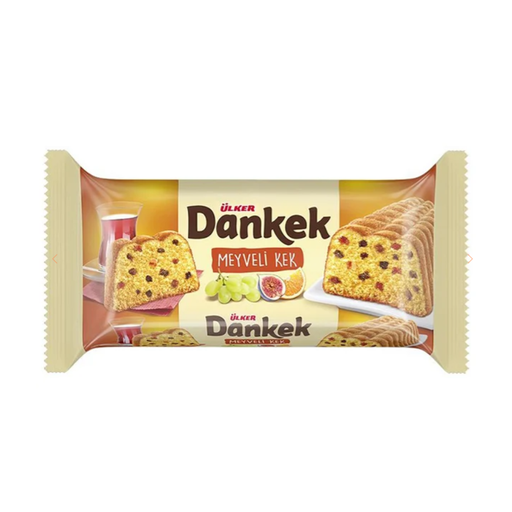
Why this fits the profile: A 200g cake is practical for sharing at home or serving in portions with tea. The product information describes a fruit cake from the Turkish range and halal suitability.
The net weight and storage instructions are clearly stated. Do check the current ingredients list and halal label on the packaging.
200g, suitable for tea or coffee, part of the Turkish range.
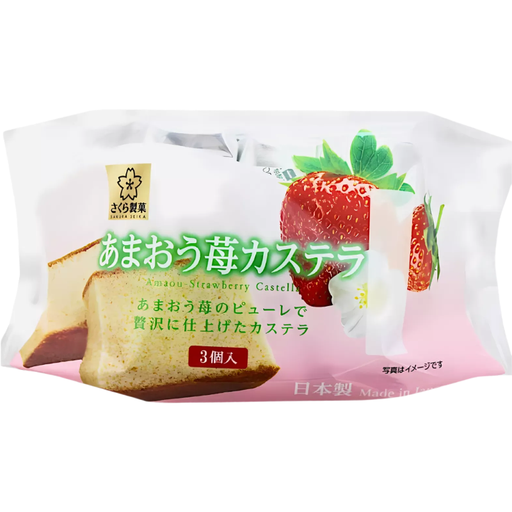
Why this fits the profile: The three individually wrapped pieces are ideal for a gift, dessert board or a quiet tea moment. The product description mentions a soft texture and strawberry flavour.
The portion packaging makes the number of pieces immediately clear. Note: according to the product information, this castella must be stored in the fridge.
Three separate portions, strawberry flavour, clear allergen declaration for egg and wheat.
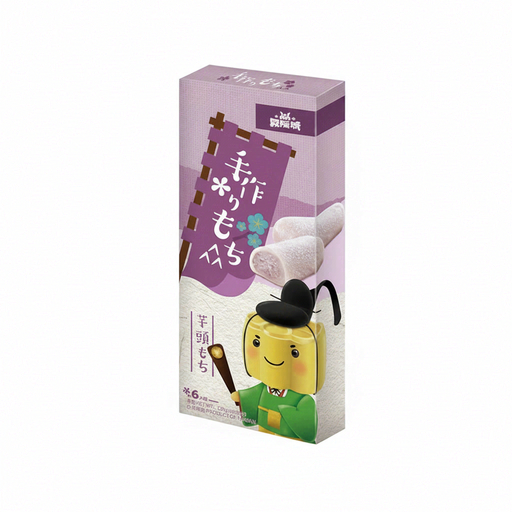
Why this fits the profile: The soft, chewy texture and taro filling are ideal for fans of Korean and Japanese desserts, Taiwanese snacks and sweet treats with tea or coffee.
The pieces are individually wrapped. This keeps unopened stock tidy and means you don't have to open the whole pack at once.
180g, taro paste filling, individually wrapped portions, origin Taiwan.
First, compare the weight per piece, portion size and delivery conditions. Then check the current product page for ingredients, allergens and shelf life. For chilled products, it's wise to find out how the delivery is handled.
Want to try several flavours? Combine a fruit cake with mochi or a baumkuchen, for example. That way, you can discover the difference between light cake, sticky rice dough texture and layered cake without ordering large quantities straight away.
We've put together a full, up-to-date list of products that fully meet these strict selection criteria and comply with current European safety regulations.
Mochi is made from glutinous rice flour or rice dough and has a soft, elastic texture. A Japanese cake, such as castella or baumkuchen, usually has a lighter cake batter made with egg, flour and sugar.
That varies by product. Check the best before or use-by date on the packaging and follow the storage instructions. Individually wrapped snacks are generally easier to store after opening, but you should still follow the instructions on the label.
Look for an explicit halal label or certification and also check the ingredients. Pay attention to allergens such as milk, egg, wheat and soya. A halal product is not automatically free of allergens.
