
Vandaag of morgen in huis

Kwaliteit gegarandeerd

Welkomstaanbiedingen ontgrendelen: GRATIS bezorging | Tot 80% korting | Gratis 30 dagen JoyPlus-proefperiode
Download de app
Asian cakes and snacks are popular with fans of Japanese, Korean, Chinese and Turkish products. Think of a soft Japanese cake, Baumkuchen, Castella cake, dorayaki, Korean rice cakes or an individually wrapped cake for on the go. Yet an eye-catching packet doesn't always tell you everything about what you're buying.
The biggest pitfalls are usually easy to avoid:
The ingredients list is in descending order by weight. If sugar or wheat flour is at the top, it makes up a large part of the product. With a milk or chocolate cake, it's useful to check whether milk powder, cocoa or chocolate actually appears on the list.
Pay particular attention to:
A product description can change. Always use the physical label as your final check, especially if you have a food allergy or intolerance.
An individually wrapped cake is handy for school, work, a train journey or snacks with coffee. The packaging also helps you store multiple portions separately. Do check whether the total weight matches the number of pieces.
Examples:
Also check the storage conditions. Most products should be stored in a cool, dry place, while some cakes need to be kept refrigerated according to the product information. After opening, resealing may be important to maintain the soft texture.
Nutritional values are usually given per 100 grams. This makes comparison possible, but the portion size varies from product to product. A cake with 500 kcal per 100 grams is not automatically a 500 kcal portion if one individual piece weighs, for example, 20 grams.
Look out for:
According to the brands' own product information, terms such as "soft texture", "rich flavour" or "authentic dessert style" can describe a product's positioning. Treat this as product information, not as an objective guarantee of taste or quality.
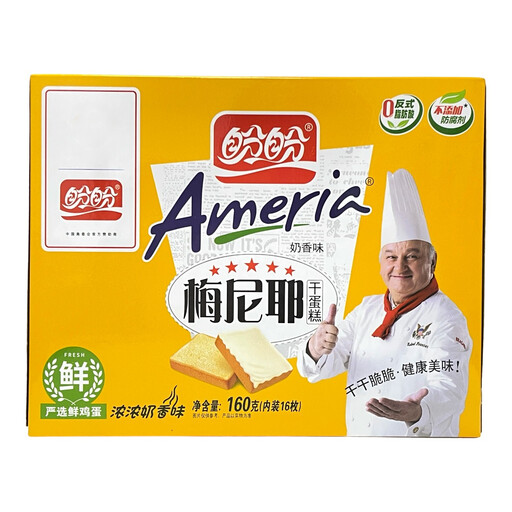
Why this fits the profile: An accessible choice for anyone wanting to try or share several small cakes with coffee and tea.
The net weight of 160 grams and the individual sachets make the number of portions you can take with you clearer than with a loosely wrapped cake.
Milk powder, whey powder and cheese are listed in the ingredients; allergens are wheat, egg, milk and soya.
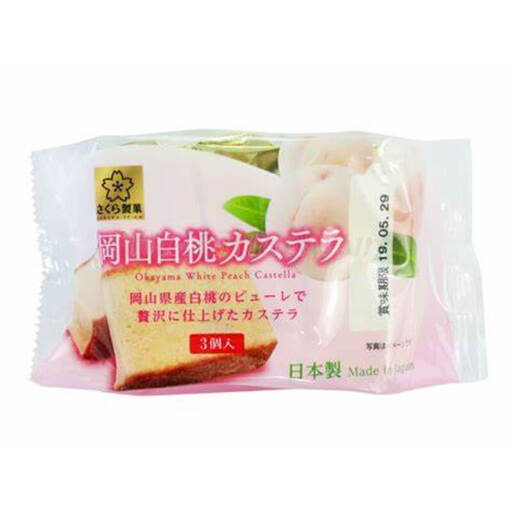
Why this fits the profile: Suits lovers of a light Japanese cake with a fruity flavour and soft texture.
The product information lists white peach purée and separately states allergens such as wheat, egg, milk and soya.
Castella style, 130 grams and advice for cool, dry storage before opening.
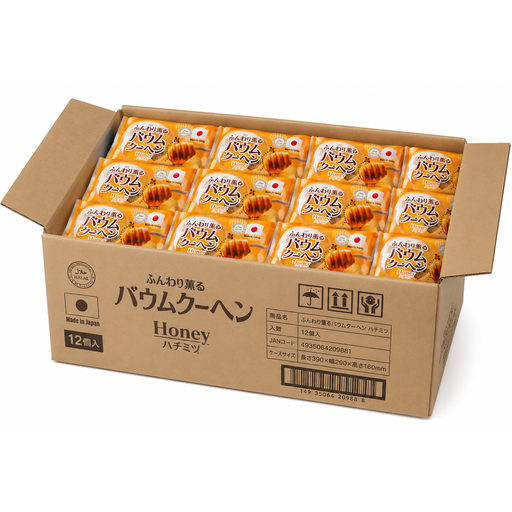
Why this fits the profile: A multipack for families, guests or anyone who regularly offers individually wrapped snacks.
The packaging states twelve portions and the product name includes a halal indication; check the current packaging before purchase too.
Baumkuchen with honey flavour, individual 60 gram portions and allergen information for egg, wheat, milk and soya.
If you're looking for a filled snack, check out the Yuki & Love Mini Dorayaki Red Bean 130g. This Japanese dorayaki combines soft cake with red bean filling. For chocolate fans, the Funwari Kaoru Baumkuchen Choco 52g and the Atom Japanese Chocolate Baum Cake 80g are logical options to compare.
Prefer a Korean snack to a sweet cake? The Yopokki variants with jjajang or cream bacon flavour are rice cakes with a more savoury profile. Pay extra attention to allergens such as soya, gluten, milk and shellfish, depending on the variant.
For a Chinese cake with a savoury twist, the Youchen Meat Floss Cake is filled with pork floss. This product is not suitable for vegetarians, Muslims who eat halal or consumers who avoid pork. Always read the full ingredients list with a Chinese cake.
We've put together a full, up-to-date list of products that fully meet these strict selection criteria and comply with current European safety regulations.
Castella cake is usually a soft, light Japanese-style cake. Baumkuchen consists of recognisable layers and is often sold as a round or individually wrapped cake. Dorayaki typically consists of two soft cake halves with a filling, such as red bean paste.
The shelf life is stated on the packaging. Unopened cakes should usually be stored in a cool, dry place, unless the label specifies refrigerated storage. After opening, the texture and freshness can change more quickly. Seal the packaging well and follow the instructions on the label.
Some products are labelled as halal, such as certain Taiyo Baumkuchen variants and the Ulker fruit cake mentioned. That does not mean every Asian cake is halal. Check the halal claim, ingredients, certification and current packaging before you order.
