
Vandaag of morgen in huis

Kwaliteit gegarandeerd

Welkomstaanbiedingen ontgrendelen: GRATIS bezorging | Tot 80% korting | Gratis 30 dagen JoyPlus-proefperiode
Download de app
Are you looking for Asian cakes and snacks to enjoy with your coffee, as a dessert, or to share? You'll quickly come across Japanese cake, Korean rice cake, baumkuchen, dorayaki and Chinese snacks all mixed together. The packaging looks appealing, but the important differences are often hidden in the small print.
For example, a product might be individually wrapped, yet still be less convenient for a family. What's more, a cake with a fruit or chocolate flavour could contain different allergens than you might expect. And if a product mentions “halal” on the product page, you should always check this against the current packaging and the supplier's declaration.
A 200 g pack might seem generous, but it tells you nothing about the number of individual pieces. For a snack on the go, individually wrapped portions are often more practical. If you're planning to share with visitors, the number of pieces matters more than just the total weight.
So look out for:
“Milk flavour”, “chocolate”, “honey” or “fruit” mainly describes the flavour direction. It doesn't automatically mean a product contains a lot of milk, fruit or chocolate. Always check the ingredients list. With Panpan Ma Ni Ye Dry Cake, for instance, the milk flavour comes from ingredients including milk powder, whey powder and cheese, while the product also contains wheat flour, egg and soya.
Even with a chocolate cake, cocoa may only be one part of the recipe. With a fruit cake, it's wise to check whether actual fruit, fruit purée or mainly flavouring has been added.
A product title can create a certain expectation. The Taiyo products are described on the product page as halal-certified baumkuchen. For other products, the description might say “halal-friendly”. If you have a dietary requirement, always check the current product information, certification and packaging.
According to the product description for Sakura Seika Castella White Peach Flavour, this product is labelled as halal-friendly. That is not a general statement about all Castella cake or Japanese cake. Product information can vary from one variant to another.
In the European Union, the main allergens must be clearly listed. Pay particular attention to:
According to the product information, Yuki & Love Mini Dorayaki Red Bean contains wheat, egg and soya, among other ingredients, and may contain traces of peanuts, milk, nuts and sesame. So a red bean filling doesn't automatically make a dorayaki suitable for every diet.
Most of the recommended products below are ready-to-eat cake or snacks you can enjoy straight away. That's handy for work, school or a quick dessert. However, Korean rice cake is different from a light, fluffy cake: its texture is firmer and chewier. Yopokki products are described in the product description as Korean fried rice cake and are intended for fans of Korean flavours.
So check whether you're looking for:
Store most cakes and snacks according to the packaging in a cool, dry place, away from sunlight and heat. Some products have additional requirements. According to the product information, Sakuraseika Hokkaido Milk Cake must be stored in the fridge. This makes this milk cake less suitable for keeping in a kitchen cupboard for a long time.
Before buying, check:
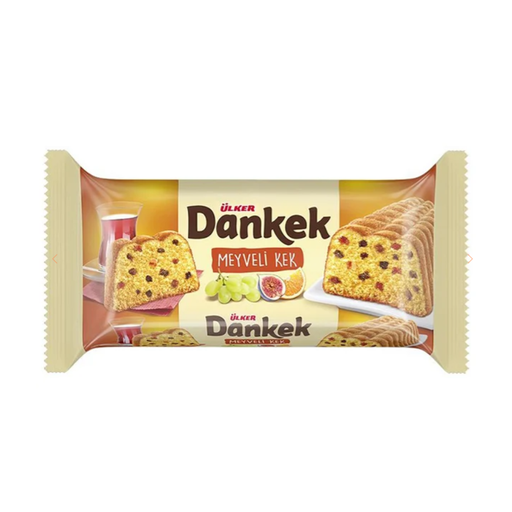
Why this fits the profile: An accessible size for enjoying with coffee or tea, when you want to try a fruit cake from the Turkish range without buying multiple small packs.
The weight of 200 g is clearly stated. The product description calls it a classic fruit cake and advises storing it in a cool, dry place.
200 g pack; product listing states it is suitable for halal diets; part of the Turkish range.
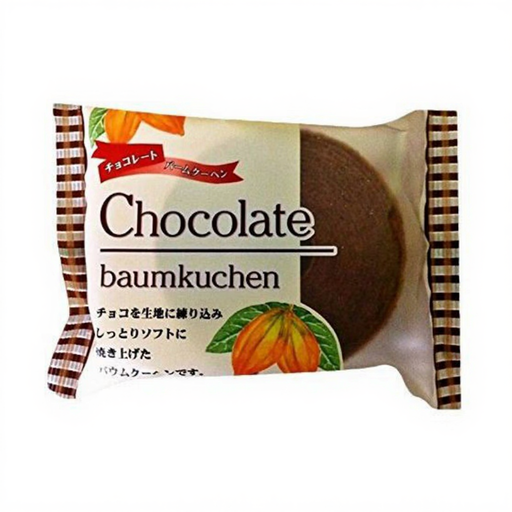
Why this fits the profile: For anyone looking for a compact Japanese cake with a recognisable layered structure and chocolate flavour, perfect as a dessert or a small treat.
The product information states the size of 80 g, a soft layered texture and individual wrapping. So the portion size is clear from the start.
80 g; layered baumkuchen structure; according to the product description, free from artificial colours or preservatives.
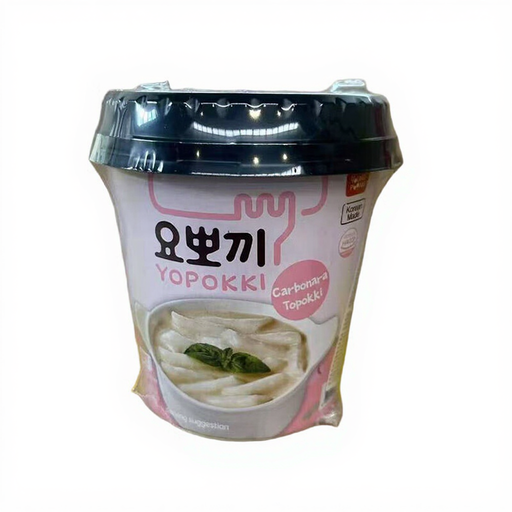
Why this fits the profile: For fans of Korean snacks who want something different from sweet cake and fancy trying a rice cake with a creamy, savoury flavour.
The product name makes it clear that this is a Korean rice cake, not a light, fluffy cake. Milk and soya are listed as allergens.
120 g pack; rice cake with 98% rice according to the ingredients list; recognisable Korean snack category.
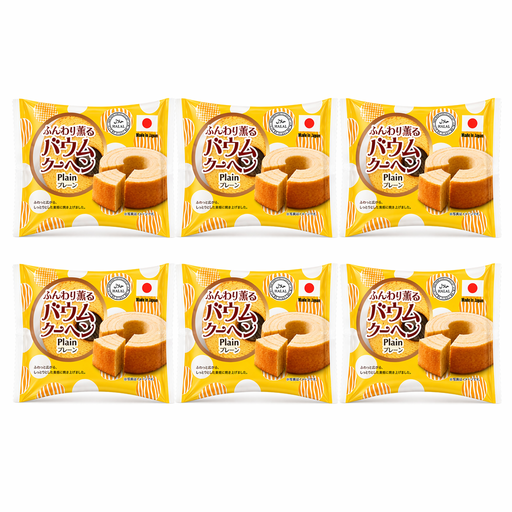
Why this fits the profile: The pack of six is ideal for sharing or keeping multiple portions at home, while the product title mentions halal certification.
The variant is clearly labelled as original and contains six cakes. The ingredients and allergens are visible in advance: egg, wheat, milk and soya.
Six pieces; original baumkuchen; product title mentions halal certification. Check the current packaging at the time of purchase.
We've put together a full, up-to-date list of products that fully meet these strict selection criteria and comply with current European safety regulations.
That depends on your preference. A Castella cake is usually a soft cake variety, while baumkuchen is recognisable by its successive layers. The Atom Japanese Chocolate Baum Cake is a compact option with a chocolate flavour. If you'd prefer a filling, you could look at a mini dorayaki with red bean paste.
This varies from product to product and from variant to variant. Some products are described as halal-certified or halal-friendly, such as the Taiyo baumkuchen in the product information. Always check the current product listing, the certificate where applicable, and the ingredients on the packaging. Don't rely solely on the country of origin or the product photo.
The shelf life is stated on the packaging and can vary from product to product. Store ready-to-eat cake in a cool, dry place unless chilled storage is specified. After opening, seal the packaging well and follow the recommended time frame. Products containing milk, filling or with a specific chilling requirement need extra attention.
