
Vandaag of morgen in huis

Kwaliteit gegarandeerd

Welkomstaanbiedingen ontgrendelen: GRATIS bezorging | Tot 80% korting | Gratis 30 dagen JoyPlus-proefperiode
Download de app
If you’re looking to buy Asian cakes, you’ll find plenty of different sizes, fillings and flavours online. From soft Chinese milk cakes and Japanese baumkuchen to dorayaki with red bean filling and savoury meat floss cakes, the packaging doesn’t always tell you exactly what you’re getting.
Three common pitfalls to watch out for:
Use the tips below to compare Chinese cakes, Japanese cakes and other Asian snacks more easily.
Don’t just look at the number on the front. Check the net weight and the number of pieces too. For example, a 200g pack might contain 16 small portions. That’s handy for taking to work or eating on the go, but it’s different from one large cake to share.
An individually wrapped cake is also easier to take with you. Examples include Aji Dorayaki Red Bean 200g, with 16 individual packs, and Aji Nagasaki Cake Pistachio 330g, with 10 individual packs. Once opened, always check the label for storage instructions and seal the outer packaging properly.
Many soft cakes contain wheat flour, egg, milk ingredients, soya, sugar and vegetable oil. This includes milk cakes, custard cakes and baumkuchen. Check the allergens before you order, especially if anyone in your household has a food allergy.
For example:
Check the nutritional information per 100g too. This lets you compare packs fairly, rather than looking only at portion size.
A cake for breakfast, a school bag or the office needs to be easy to take with you. Individually wrapped cakes are often a more practical choice than products that need to be sealed promptly once opened.
Not all Asian cakes should be stored in the same way:
The best-before date may vary between batches. Check the date on the packaging when your order arrives, and use an opened product within the stated period.
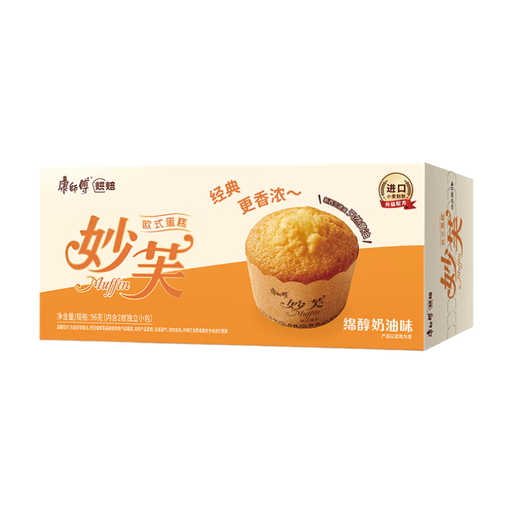
Why it suits this shopper: Its compact size makes it a good way to try a soft Chinese cake for the first time, without buying a large quantity. The product description suggests it for breakfast, the office or eating on the go.
The net weight of 96g is clearly stated. That makes it easier to avoid comparing this product unfairly with larger boxes based on packaging alone.
Described as a soft cake; store in a cool, dry place or chill it, as instructed.
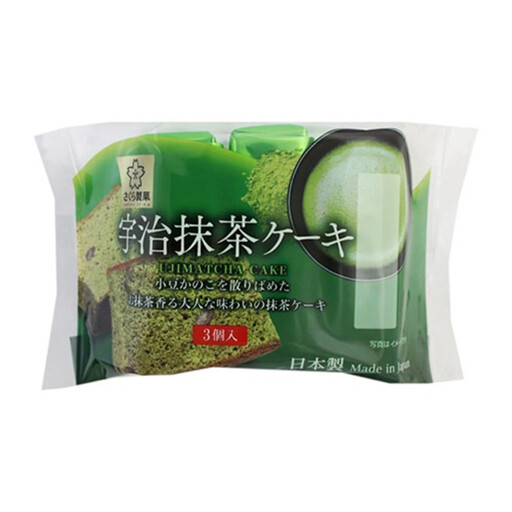
Why it suits this shopper: This Japanese cake comes in three portions and is made for matcha fans who enjoy a pronounced flavour. The product information says to keep it chilled.
The pack states both the number of pieces and the need to keep it chilled. So you’ll know in advance that this isn’t a long-life cake for the cupboard.
Three individual pieces; Uji matcha as a flavour ingredient; can be served chilled, according to the storage information.
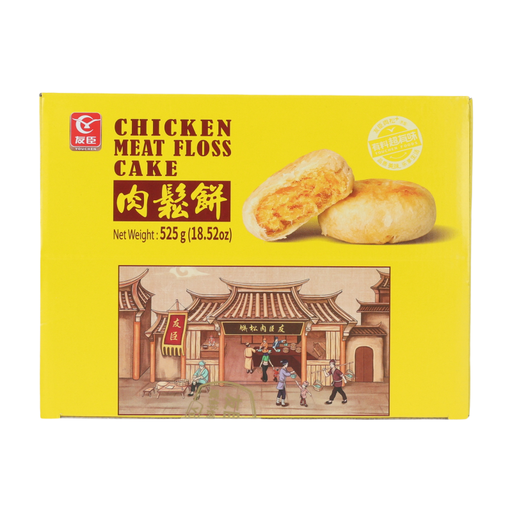
Why it suits this shopper: The 525g pack is designed for sharing, keeping in stock or snacking on regularly. According to the product information, this Chinese cake combines chicken filling with mung bean paste.
The flavour profile and ingredients are clearer than they are for a generic sweet cake. Be sure to check the allergens and seal the pack properly after opening.
525g pack; a sweet and savoury flavour combination; ready to eat straight from the pack.
For a creamy filling, take a look at ORION Custard Soft Pie Cake 282g. It contains individually portioned cakes with custard filling. If you’d prefer a small Japanese treat, consider Funwari Kaoru Baumkuchen in plain, chocolate or honey flavour. Each variety weighs 52g.
For a milky flavour, Panpan Ma Ni Ye Dry Cake Milk Flavor 160g, Bakery Village Fresh Milk Cake 85g and Pan Pan Sandwich Cake Milk Flavor 240g are worth considering. With these products, pay particular attention to the allergens and the difference between total weight and the number of portions.
A dorayaki is another option: the Aji varieties with red bean or black sesame consist of two soft, pancake-like layers with a filling. If you choose black sesame, check the allergen information carefully. It may include sesame, milk, soya, egg and wheat.
We’ve put together a complete, up-to-date list of products that meet these strict selection criteria and the current European safety requirements.
Choose a product with individual wrapping, such as a 52g baumkuchen, a pack of dorayaki or a cake with clearly stated individual portions. Also check whether it can be stored outside the fridge.
It depends on the product and the batch. Always check the date on the packaging. According to the product information, dry cakes can often be stored in a cool, dry place, while some Japanese cakes need to be kept chilled. Once opened, it’s important to seal the pack properly.
Yes, especially packs with several individually wrapped portions. Just remember to check the allergens and make sure the flavours suit everyone. A box of sweet milk cakes is quite different from a savoury meat floss cake containing chicken or pork.
