
Vandaag of morgen in huis

Kwaliteit gegarandeerd

Welkomstaanbiedingen ontgrendelen: GRATIS bezorging | Tot 80% korting | Gratis 30 dagen JoyPlus-proefperiode
Download de app
A pack of soft Japanese cake, dorayaki or Chinese sponge cake can look very tempting. However, your purchase may disappoint if you judge it solely by the photo or the flavour name. When buying Asian cakes and snacks online, it is worth avoiding three common pitfalls.
The first pitfall is that a flavour name can promise more than the ingredients list reveals. “Strawberry”, “milk” or “chocolate” may refer to purée, milk powder, cocoa powder or simply flavouring. The second is the format: a 130-gram box may contain several small portions, while an 80-gram cake may be a single snack. The third is storage. Some cakes need to be kept chilled, while other individually wrapped snacks can be stored at room temperature.
Always check the ingredients list and allergen information, especially with a Japanese cake, Chinese cake or soft sponge cake made to an unfamiliar recipe. Many products contain wheat, egg, milk or soya. If you have a nut allergy, the wording “may contain traces of” is also important.
A Japanese dorayaki generally consists of two soft cake halves filled with red bean paste. As well as red beans, the filling may contain soya oil, sugar syrup and thickeners. With a red bean pancake, the proportion of filling is therefore a useful comparison. A dorayaki containing 27.3% red bean paste differs in composition from one containing 32%.
For halal snacks, look for clear product information or certification. A product description may state “halal-friendly”, but always check the packaging and product page for the most up-to-date information.
A castella cake containing fruit purée or a milk cake may have different storage instructions from a dry biscuit. According to the product information, Sakuraseika Amaou Strawberry Castella should be kept chilled. Hokkaido Milk Cake also specifies chilled storage. These products are therefore less suitable for keeping for long periods in a warm bag or cupboard.
Other Asian sweet snacks, such as Daliyuan Egg Flavor Sponge Cake, can be stored in a cool, dry place away from direct sunlight, according to the product information. Check the best-before date and packaging when your order arrives. Do not use a product if the packaging is damaged or if its smell or texture is noticeably unusual.
Individually wrapped snacks are convenient for school, work, travelling or a picnic. They also make it easier to divide a larger pack into several eating occasions. However, pay attention to the net weight and number of pieces. A box containing three cakes with a combined weight of 105 grams is not the same as one 105-gram cake.
Compare nutritional values per 100 grams when looking at products side by side. For example, according to the product information provided, Daliyuan Egg Flavor Sponge Cake contains 28 grams of sugar per 100 grams. Hokkaido Milk Cake lists 35.84 grams of sugars per 100 grams. This does not tell you which cake you will prefer, but it does make the choice easier to assess.
For a coffee or tea break, you could choose a light castella cake, a soft layered baumkuchen or a small chocolate cake. If you want something to share, a pack weighing between 150 and 200 grams is likely to be more suitable. For eating on the go, portions of around 50 to 85 grams are often more practical.
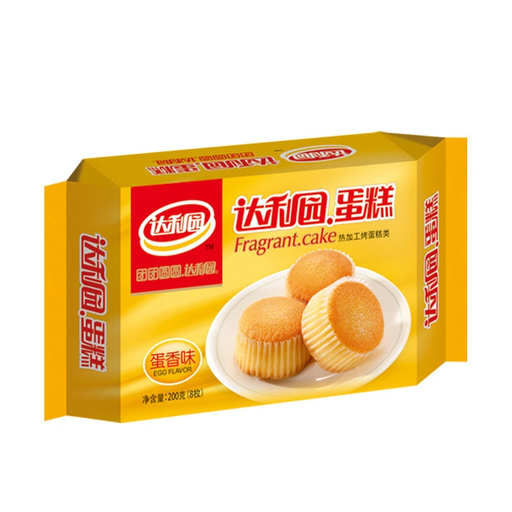
Why it suits this profile: The 200-gram pack is ideal for keeping at home and serving at breakfast or with coffee or tea. The individually wrapped pieces are also easy to share out.
The net weight and portion packaging are clearly stated. The ingredients and allergen information include egg, wheat and milk, so you do not have to rely on the flavour name alone.
200 grams, classic egg flavour, soft texture and individually wrapped portions.
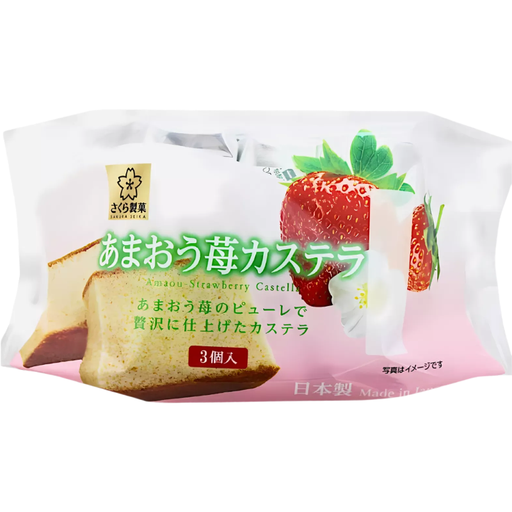
Why it suits this profile: This Japanese castella cake combines three individual portions with a strawberry flavour and a soft, moist texture. Ideal for a dessert occasion or as a small gift.
The flavour is linked to Amaou strawberry purée in the ingredients list. The product information also specifies chilled storage, helping you avoid storing the cake incorrectly.
Three individually wrapped pieces, soft texture, with egg and wheat listed as allergens.
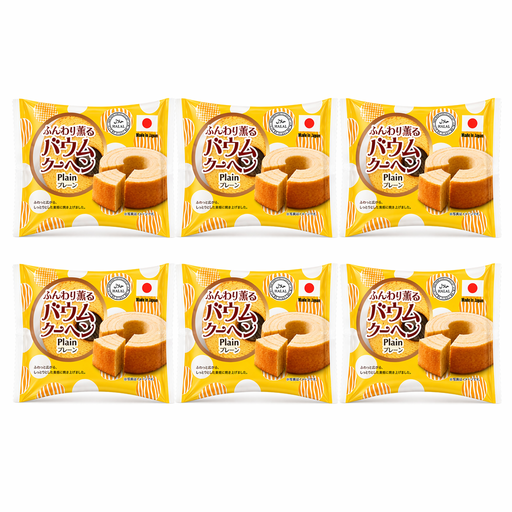
Why it suits this profile: The six individual portions are ideal for families, office supplies and anyone who regularly takes a snack with them. The product name states that it is halal-certified.
The pack contains six individual cakes, making the number of portions clear from the outset. The allergen information lists egg, wheat, milk and soya.
Six portions, classic baumkuchen style and a product name stating halal certification.
We have put together a complete, up-to-date list of products that fully meet these strict selection criteria and the applicable European safety regulations.
Individually wrapped snacks are usually the most convenient option when you are out and about. Consider mini dorayaki, a small Japanese cake or a baumkuchen weighing between 52 and 80 grams. However, check whether chilled storage is required. A product that must be kept in the fridge is less suitable for a long journey without a cool bag.
A dorayaki consists of two soft cake halves, usually with red bean paste in between. Castella cake is a soft, evenly textured sponge cake, often made primarily with egg, sugar and wheat. Baumkuchen is recognisable by its layered structure. Texture and sweetness vary by brand, so as well as checking the product name, look at the ingredients and nutritional values.
The shelf life is stated on the packaging and may vary from product to product. Cakes that need to be kept chilled often have a shorter recommended consumption period once opened. Dry-stored products, such as some Chinese cakes and individually wrapped sponge cakes, are generally easier to store. Always follow the stated storage conditions and the date shown on the label.
