
Vandaag of morgen in huis

Kwaliteit gegarandeerd

Welkomstaanbiedingen ontgrendelen: GRATIS bezorging | Tot 80% korting | Gratis 30 dagen JoyPlus-proefperiode
Download de app
When you buy Asian biscuits and snacks online, you’ll quickly come across eye-catching packaging, unfamiliar flavours and big differences in size. However, a brightly coloured packet doesn’t tell you much about what’s inside. Terms like “matcha”, “premium” or “less sugar” should always be checked against the product information.
This guide will help you make a more informed choice between Japanese snacks, soft cakes, wafers and filled biscuits. That way, you won’t just buy something that looks appealing, but something that suits your taste, the occasion and any dietary requirements.
A 200g or 400g bag might seem attractive for families or the office, but it can be less practical if you only eat biscuits occasionally. Once opened, biscuits can lose their crunch. Individual portions or smaller packs are often more convenient for on the go and help keep the product fresh.
Matcha, red bean, coconut, pistachio and fruit sound appealing, but the intensity varies from product to product. Matcha biscuits, for example, can have a gentle green tea flavour, while other varieties combine a more distinct bitter note with chocolate or cream. So, look at the ingredients and flavour description rather than just the product name.
A claim like “26% less sugar” is only meaningful when compared with the variant the brand is referring to. According to Franzzi’s own information, the Coconut Latte variant contains 26% less sugar than the standard range. That doesn’t automatically mean the product is low in sugar. The nutritional information on the label is what matters.
Also watch out for claims such as “no artificial colours or preservatives”. Always check the current packaging, because product information online can change.
First, think about when you want to eat it:
Japanese biscuits aren’t always the same as classic British biscuits. Japanese snacks can include biscuit sticks, soft cakes, sandwich biscuits or layered baumkuchen cake.
Check the weight and how it’s packed. A product weighing 40g to 90g is handy for a lunchbox, studying or a train journey. Larger packs, such as 200g or 403g, make more sense for sharing or keeping at home.
Individual wrapping can help preserve the texture, but sometimes means more packaging material. So choose based on how you’ll use it: sharing, storing or taking with you.
In the EU, the main allergens must be clearly listed. For this category, pay particular attention to:
For example, the Yuki & Love Mini Dorayaki contains wheat, egg and soya according to the product information, and may contain traces of peanuts, milk, nuts and sesame. The current packaging is always the most important source. Check it before eating, especially if you have an allergy or intolerance.
Nutritional values also give you a fair comparison. Franzzi Matcha Mousse Chocolate Flavor Cookies, for instance, lists 2249 kJ per 100g and 31g of fat per 100g. That helps you compare a snack with other sweet snacks, without relying on the name or packaging.

Why this fits the profile: The 47g pack is easy to manage and ideal for trying Japanese biscuits without committing to a large quantity.
The small size keeps the portion and the purchase risk low. The product information lists wheat, milk and soya as allergens.
Crunchy biscuit sticks with a chocolate coating, 47g and individually wrapped according to the description.
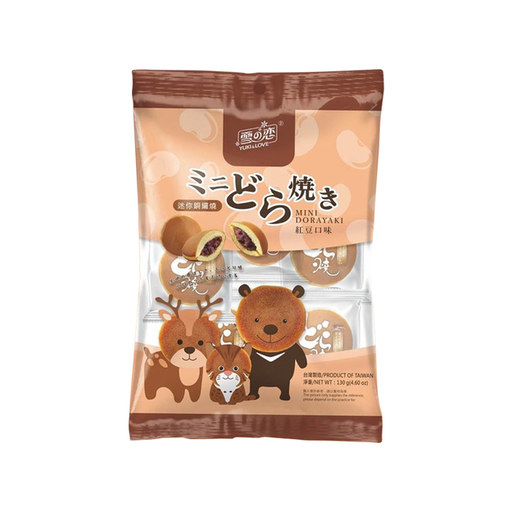
Why this fits the profile: These soft mini dorayaki offer a different experience from crunchy biscuits, with a sweet azuki bean paste filling.
The product description clearly states the soft texture, mini portions and red bean filling. So you know in advance this isn’t a dry biscuit.
130g, individual size and suitable according to the description for coffee, tea, work or study.

Why this fits the profile: The combination of matcha and chocolate is aimed at shoppers looking for a distinctive flavour for tea, coffee or a quiet snack moment.
The product information states the 70g weight and lists wheat, milk and soya. The flavour expectation is therefore clearer than with a general label like “Asian biscuits”.
Matcha mousse and chocolate flavour in one biscuit, with a compact size and origin China according to the product information.
We’ve put together a full, up-to-date list of products that fully meet these strict selection criteria and comply with current European safety regulations.
For fruit lovers, strawberry biscuits such as NIKKO Strawberry Cookies or FESTIVAL Strawberry Flavour Cookies are logical choices. If you prefer something lighter, you could look at a baumkuchen cake, like Atom Japanese Banana Baum Cake or Funwari Kaoru Baumkuchen Cake Choco.
For sharing at the office or at home, larger packs such as G’woon Crispy Brownie Chocolate Cookies, Ülker Deluxe strawberry cream wafer or Festival Lemon Flavour Cookies work well. Just pay extra attention to whether they can be resealed after opening. For snacks on the go, small packs and individually wrapped products are easier to take with you.
That depends on your preference. Soft dorayaki, chocolate Pocky, wafers and coffee biscuits all go well with coffee. Just check whether you’re after a crunchy or soft texture. A dorayaki with red bean filling is softer and more cake-like than a biscuit stick.
Store biscuits according to the instructions on the packet, usually in a cool, dry place away from direct sunlight. Seal an opened bag well to limit moisture and loss of crunch. Soft cakes and filled snacks are best kept in their original, well-sealed packaging.
Compare net weight, ingredients, allergens, nutritional values, packaging format and shelf-life information. Also look at the origin and the actual flavour profile. That way, you’ll more easily find a product that suits your household, budget and the occasion.
