
Vandaag of morgen in huis

Kwaliteit gegarandeerd

Welkomstaanbiedingen ontgrendelen: GRATIS bezorging | Tot 80% korting | Gratis 30 dagen JoyPlus-proefperiode
Download de app
Anyone looking to buy Asian biscuits and snacks online is quickly faced with a huge amount of choice. Japanese biscuits, Chinese snacks, Korean biscuits, rice crackers and coconut biscuits differ not only in flavour, but also in packaging, texture, allergens and shelf life. Eye-catching packaging does not always tell you enough about what you will receive.
Use these checks to compare products calmly and avoid a disappointing purchase for home, on the go, with your coffee or to share.
A 36 to 52 g bag is handy for a lunchbox or short trip, but less suitable for a family or entertaining guests. So do not compare only the price per pack; check the net weight too. A larger pack may be more practical for sharing, while small bags help keep biscuits fresh after opening.
“Milk”, “strawberry”, “chocolate” or “vanilla” usually describe a general flavour profile. Check the ingredients list to see whether the product contains, for example, cocoa powder, milk powder, strawberry powder or chocolate. With chocolate biscuits, it is important to distinguish between a cocoa flavour, a filling and real chocolate.
The same applies to pandan biscuits: a green colour or tropical name does not automatically mean that pandan is included as an ingredient. Check the product description and ingredients before ordering.
Brand names such as Pocky, Meiji or Oreo may be recognisable, but recipes and allergens vary by flavour and country of origin. Product information on a webshop may also differ from the packaging. Always read the physical label before eating the product, particularly if you have allergies, intolerances or follow a specific diet.
Choose the size based on when you plan to eat the snack:
Also consider the packaging after opening. Biscuits, wafers and rice crackers absorb moisture and can lose their crunch as a result. A resealable bag or individually wrapped portions can be useful.
Pay particular attention to the presence of:
For example, Tokimeki Panda Cookie Biscuit Chocolate Flavor contains wheat, milk, egg and soya. According to the product information, Bin Bin rice crackers contain protein powder and may contain gluten and soya due to shared equipment. Little Prince sesame wafers also contain peanuts and sesame.
A statement such as “may contain traces” is not something to overlook. If you have an allergy, it is advisable to check the packaging and the latest allergen information.
The nutrition table makes products easier to compare. As well as energy, check sugars, saturates and salt. Products labelled “reduced sugar” or “sugar-free” are not automatically low in calories. For example, Daoxiangcun Sachima with Sweeteners contains 1.8 g of sugar per 100 g, but also 25 g of fat and 492 kcal per 100 g, according to the product information provided.
Products containing sweeteners may also carry specific warnings. The packaging should therefore always be treated as the definitive source.
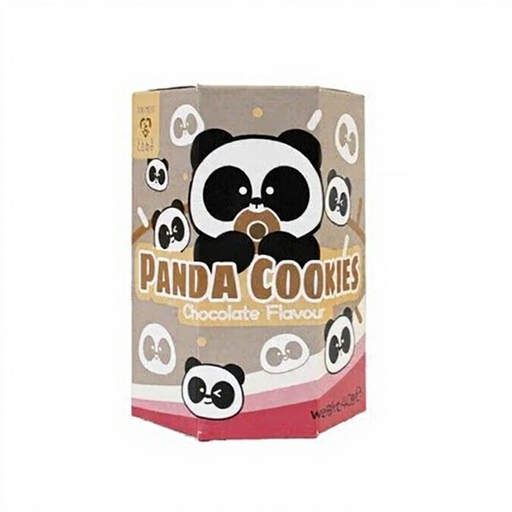
Why it suits this profile: The compact size makes it easy to try Japanese biscuits without immediately buying a large pack. The panda shape and chocolate flavour are ideal for lunchboxes and short snacking occasions.
The 40 g net weight is clearly stated. However, check the label for wheat, milk, egg and soya before sharing the product.
40 g pack, crunchy biscuits and a clearly stated chocolate flavour.

Why it suits this profile: If you are looking for a recognisable Japanese snack, this portion pack contains biscuit sticks with a strawberry flavour. The sticks are ideal with tea or coffee, or as a small dessert.
The flavour and pack size are specified, but check the packaging for the current ingredients and allergen information.
45 g size, stick format and a product description listing wheat, milk and soya as allergens.
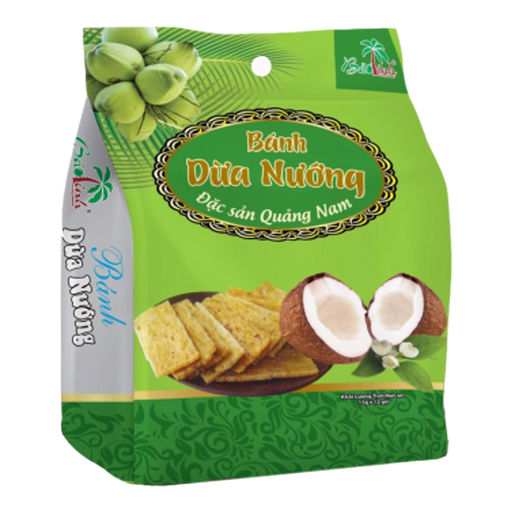
Why it suits this profile: These Vietnamese coconut biscuits are aimed at anyone who enjoys a sweet, crunchy snack with a different flavour from standard chocolate biscuits.
The country of origin, Vietnam, the 150 g net weight and ingredients such as coconut, glutinous rice and vanilla are listed. This means your choice does not depend solely on the packaging.
150 g net weight, crunchy texture and no declared allergens according to the product information.

Why it suits this profile: The pack contains 18 portions and is well suited to Chinese snacks served with tea, at a celebration or in a larger household.
The quantity and number of packs are clear in advance. “Reduced sugar” is no reason to skip the rest of the nutrition table.
469 g total weight, 18 packs and a soft sachima texture according to the product description.
We have put together a complete, up-to-date list of products that fully meet these strict selection criteria and the applicable European safety regulations.
Use this quick checklist when comparing products:
Nutritional information in European product listings should be clearly available, but the physical packaging remains the most up-to-date source. This is also important when recipes have changed or different import batches are involved.
Small packs of around 40 to 52 g are practical for an individual snack. Consider panda biscuits, Pocky biscuits or other biscuit sticks. Beforehand, check that the packaging can be sealed properly and that the allergens are suitable for the person eating them.
Store biscuits, wafers and rice crackers in a cool, dry place, away from moisture, heat and direct sunlight. Seal the packaging securely and preferably eat the product soon after opening. Moisture can reduce the crunchy texture.
At a minimum, compare net weight, ingredients, allergens, nutritional values, country of origin and shelf life. Also check that the flavour matches your preference, such as chocolate, strawberry, coconut, milk, sesame or a sweet-and-savoury Chinese pastry. This will help you choose more precisely and pay for a product that suits your snacking occasion.
