
Vandaag of morgen in huis

Kwaliteit gegarandeerd

Welkomstaanbiedingen ontgrendelen: GRATIS bezorging | Tot 80% korting | Gratis 30 dagen JoyPlus-proefperiode
Download de app
When you buy Asian biscuits and crackers online, the choice is vast: from sweet Japanese biscuits to savoury Chinese crackers, rice snacks and individually wrapped treats for on the go. Yet an eye-catching packet doesn’t always tell you everything about what’s inside. The quantity, allergens and nutritional values often give a better idea of whether a product suits your household.
A 300-gram pack or more can be appealing for families or parties. For one person, however, a big bag can be less practical. Once opened, crackers lose their crunch more quickly, especially if the bag isn’t sealed properly. So don’t just look at the total weight – also check:
A large multipack is especially handy when you’re sharing the snacks or serving them regularly.
Marketing terms tell you little about sugar, fat or salt. Always check the nutritional information per 100 grams. For example, Pacific Soda Biscuits Spring Onion Flavour contains 2.1 grams of sugar per 100 grams, but also 1.2 grams of salt. Bestore Crispy Cracker Original Flavor lists 4.83 grams of salt per 100 grams. That difference matters when you’re comparing different savoury crackers.
Brand claims should also be read in context. According to Pacific’s own information, the product is not fried – that’s a product description from the brand, not a general conclusion about its nutritional value.
Wheat, milk, egg, soya and sesame are common in Asian crackers, pandan biscuits and filled biscuits. Soya sauce, for instance, can contain both soya and wheat. So always check the label on delivery, especially if you have an allergy or intolerance. The information on a product page can change.
First, decide what you’re in the mood for:
Also pay attention to the main ingredient. With Richy Jinju Rice Cracker Honey Flavor, the base is 51.372% rice according to the product specification. Bin Bin Rice Crackers with Sugar lists 64% rice. That gives you a clearer picture than just the product name.
Individually wrapped snacks are handy for school, work, train journeys and handing out at parties. They also help you keep a large stock organised. With BEIERXIANG Octopus Shaped Crackers Salted Egg Yolk Flavour, the product is individually wrapped inside a 200-gram pack. Pacific lists 100 grams split across four small packs.
For a family, a large pack like WANT WANT Senbei 520 grams with 88 packs can be ideal. For a first try, a smaller pack of 40 to 100 grams is usually more practical.
Always compare per 100 grams, not just per pack. A small bag might seem less calorific, but it can have the same energy density as a large pack. Examples from product specifications:
These figures are intended for comparing products, not as medical advice. Always check the current packaging and full ingredients list before buying.
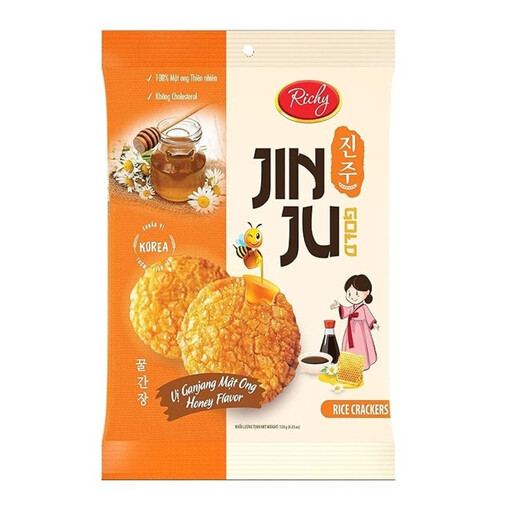
Why this fits the profile: A straightforward 100-gram pack is ideal for trying a flavour without committing to a large quantity. The honey version combines a sweet note with a crispy rice base.
The weight and nutritional values are clearly stated. This means you can compare the purchase without relying solely on the packaging or flavour name.
100 grams; rice listed as the main ingredient; suitable as a snack or with a meal.
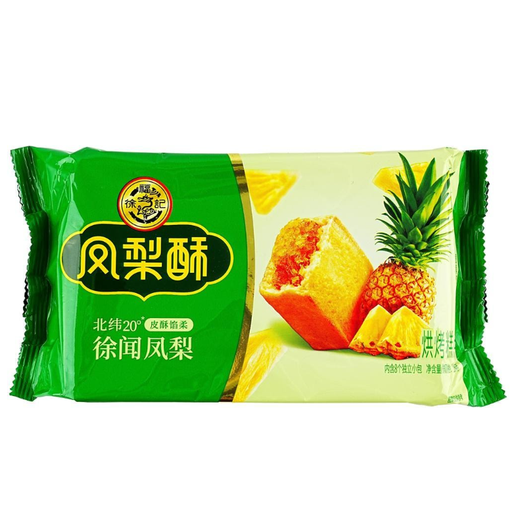
Why this fits the profile: This Chinese pastry is aimed at those who enjoy a sweet, filled snack with tea or coffee. According to the product description, the filling contains 13% pineapple and winter melon, and butter has been added.
The product information lists the origin, net weight, ingredients and allergens. This makes it easier to compare this snack consciously with other pineapple cakes.
184 grams; pineapple filling stated; allergens wheat, egg and milk clearly indicated.
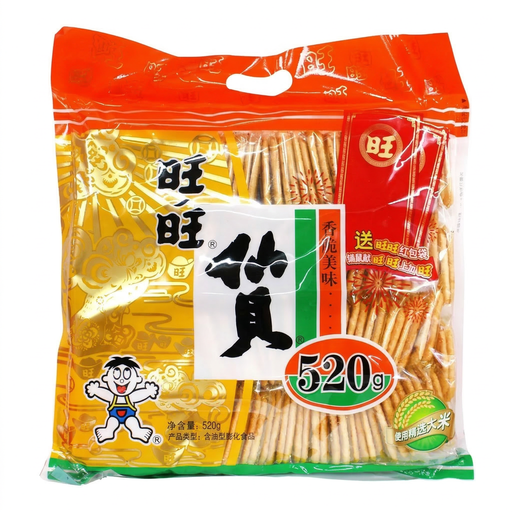
Why this fits the profile: According to the product data, the pack contains 88 individual packs. That suits families, offices, parties and enthusiasts who serve rice crackers often.
The individual portions limit the problem of a large opened bag. You can keep some aside and leave the rest sealed.
520 grams; 88 individual packs; ideal for sharing and serving with tea.
We’ve put together a full, up-to-date list of products that fully meet these strict selection criteria and comply with current European safety regulations.
Store unopened snacks according to the label, usually in a cool, dry place, away from direct sunlight and moisture. Once opened, seal the bag tightly or use an airtight container. Rice crackers and thin soda biscuits absorb moisture quickly. Individual wrappers are therefore handy for snacks on the go, but also check the best-before date on each outer pack.
When you see offers, pay attention to the remaining shelf life. A lower price is only practical if you can finish the quantity within that time.
Popular categories include rice crackers, filled Japanese biscuits, Chinese pineapple cake, savoury spring onion crackers and sweet snacks with chocolate or strawberry. Look at flavour, size, allergens and packaging rather than just the country of origin.
Yes, small packs and individually wrapped snacks are handy for school, the office, travel and lunchboxes. Store delicate crackers flat and check the packaging is undamaged before you take them with you.
That depends on the packaging, humidity and storage method. Unopened products follow the date on the pack. Once opened, they generally stay crispier for longer if you seal them well and store them dry. Always refer to the manufacturer’s specific instructions.
