Vandaag of morgen in huis

Kwaliteit gegarandeerd

Welkomstaanbiedingen ontgrendelen: GRATIS bezorging | Tot 80% korting | Gratis 30 dagen JoyPlus-proefperiode
Download de app
The daily routine has a certain rhythm. The aroma of coffee in the morning, a glass of water on the desk, a cup of tea in the evening. These are familiar anchors. Yet, a desire sometimes arises for a small, sensory break. A moment of discovery that need not be grand or complicated, but that lends the day a different hue. This craving for new experiences has opened the door to a subtle yet influential trend: the rise of Asian beverages in our daily rituals.
What distinguishes these drinks is not just the taste, but the complete experience. It goes beyond sweet, sour, or bitter. The focus is often on texture and interaction. A prime example of this is the growing fascination with drinks containing pieces. This concept, relatively new in the Western world, has been a natural part of the culture in many Asian countries for decades.
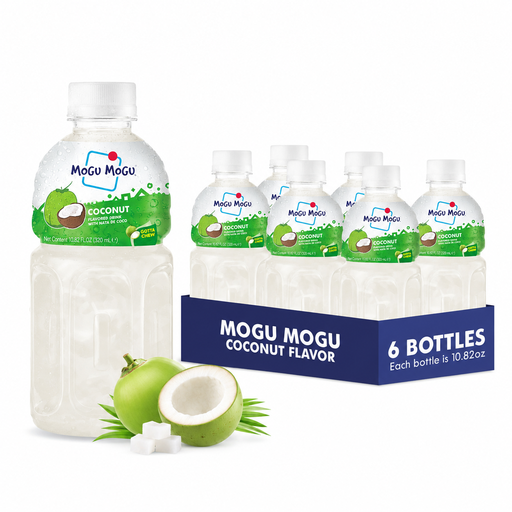
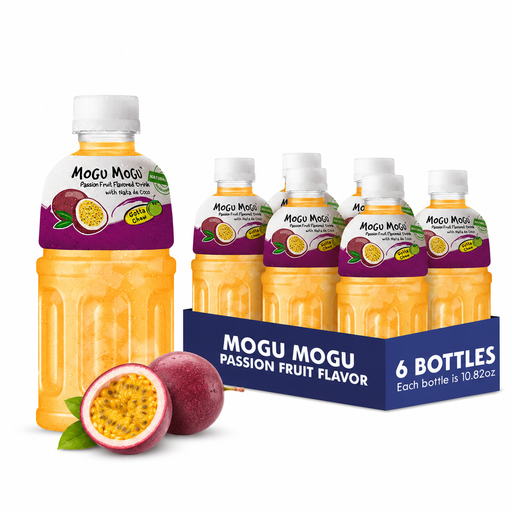
The star of this category is nata de coco. These soft, translucent cubes are not fruit, but a fermented coconut jelly with a unique, slightly springy texture. It adds a playful, almost meditative element to the act of drinking. You don't just sip; you chew. This dual action compels a moment of mindfulness. It's a small pause, a conscious interaction with what you are consuming. Brands like Mogu Mogu have refined this principle, offering a range of tropical drinks where the combination of liquid and texture is central. Those who consciously seek to buy Mogu Mogu are choosing more than a drink; they are choosing a small, surprising experience.
Another form of interaction is found in Japanese soft drinks, particularly Ramune. The iconic glass bottle, sealed with a marble, requires a small ritual. Opening it is an act in itself: with a special tool, you push the marble into the bottle, where it jingles as you drink. It's a playful design that transforms an everyday product into an object of wonder.
The world of Asian beverages is broad and diverse, with a suitable choice for every moment of the day. For a refreshing afternoon break, drinks with nata de coco are a popular choice. The flavours range from the familiar, like Mogu Mogu Mango, to the more surprising, such as Mogu Mogu Melon or the subtle Mogu Mogu Blackcurrant. Each sip offers a combination of a fruity drink and the soft texture of coconut jelly, an experience that is both invigorating and satisfying.
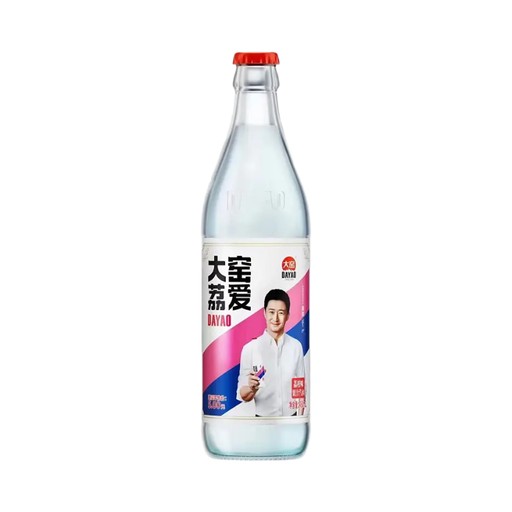
For those who prefer a clear, effervescent sensation, a Japanese soft drink like Hata Kousen Ramune Soda with lychee flavour offers an elegant option. The light carbonation and the refined, floral taste of lychee make it a sophisticated alternative to traditional soft drinks. It is a drink that does not overwhelm, but subtly refreshes.
The evening calls for a different kind of ritual. Here, we see the rise of flavoured Korean soju. While soju is traditionally drunk neat, flavoured variants offer a more accessible and smoother experience. A bottle of Oppa Soju with lychee flavour, for example, is an interesting choice for a social gathering with friends. According to the producer, it offers a balanced blend of fruitiness and smoothness, making it a pleasant drink to enjoy slowly with a meal or a good conversation.
For those who wish to further explore the subtle and sweet world of Lychee Flavoured Drinks, the full collection offers further inspiration.