
Vandaag of morgen in huis

Kwaliteit gegarandeerd

Welkomstaanbiedingen ontgrendelen: GRATIS bezorging | Tot 80% korting | Gratis 30 dagen JoyPlus-proefperiode
Download de app
Looking for Asian beer for dinner, a barbecue or a well-stocked cupboard? The range spans everything from light lagers from Japan and Korea to fuller-bodied Vietnamese beers and aromatic Japanese speciality beers. However, the familiar name on the label does not tell you everything. Packaging, alcohol content, ingredients and shelf life all help determine whether a product suits your needs.
This guide helps you compare your options without relying on vague marketing terms.
A 24-bottle beer pack may seem practical for a party or restaurant, but it is less suitable if you only open a bottle occasionally. So check the following first:
Twenty-four units are useful for a party. For a first taste, a single bottle or smaller pack may be the wiser choice.
The term premium lager does not automatically describe a stronger or more complex flavour. Many Japanese, Thai and Korean lagers are light, refreshing and easy to pair with food. Instead, look at verifiable information such as alcohol content, beer style and ingredients.
A pilsner or lager made with rice, maize or starch may taste lighter than a beer made solely with malted barley. That does not make it inherently better or worse; it comes down to your preference.
A beer with an Asian brand name is not necessarily brewed in Asia. Check where the product is stated to come from in the product information, and read the current packaging when it arrives. Pay attention to allergens too. Many beers contain malted barley and gluten. Some products also list sulphites, such as E224.
Descriptions of a brand’s flavour or popularity come from the retailer or the brand itself. Treat descriptions such as “refreshing” or “smooth” as flavour indications, not objectively guaranteed results.
The products in the range contain approximately 4.5% to 5.5% alcohol. The difference may seem small, but it is relevant when you pour several glasses. For example, the product information lists Kirin Ichiban at 5.0%, Singha at 5.0%, Saigon Export at 4.8% and Cass Fresh at 4.5%.
For Asahi Super Dry, the product information states 5.2% alcohol, while the product name says 5%. Always check the label on the specific pack when buying.
330 ml of beer is a common serving size for personal use and meals. There are also 320 ml and 333 ml options, such as Chang Beer Classic and Coedo beers. A bottle is suitable if you want to pour the beer into a glass; a can is practical for storage and larger gatherings.
When buying a 24-pack, do not just calculate the price per pack—also compare the price per litre. A box of 24 × 330 ml contains approximately 7.92 litres. This lets you compare a 24-bottle beer pack fairly with individual bottles or cans.
A classic Asian lager is usually light to medium-bodied, with a crisp finish and mild bitterness. A Japanese beer such as Kirin Ichiban, Sapporo or Asahi Super Dry often pairs well with sushi, ramen, tempura and rice dishes. According to the product descriptions, Thai varieties such as Singha, LEO and Chang complement spicy dishes, grilled meat and seafood.
For a different flavour profile, consider:
If you are sensitive to gluten or sulphites, pay particularly close attention to the ingredients list. The information on the packaging takes precedence.
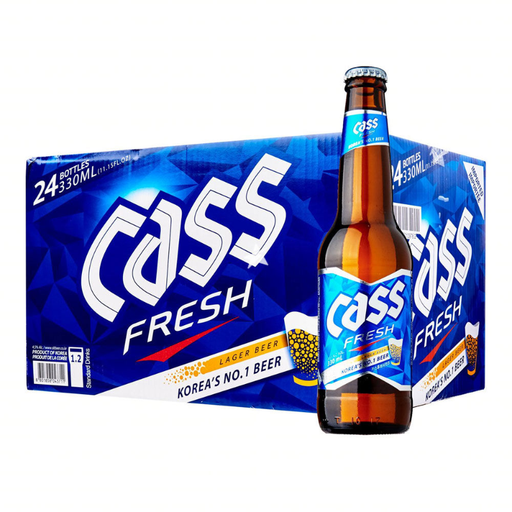
Why it suits this profile: The box of 24 330 ml cans is practical for a party, barbecue or keeping the fridge well stocked. The product information states an alcohol content of 4.5%.
The volume and serving size are clearly specified, so you can work out in advance how much you are buying.
24 × 330 ml; 4.5% alcohol according to the product information; light and suitable for serving chilled.
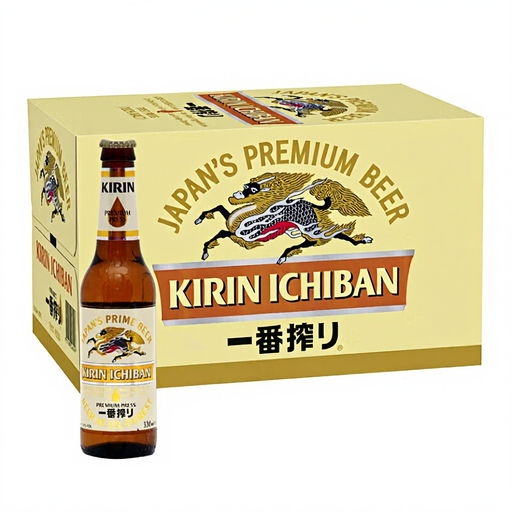
Why it suits this profile: If you are looking for a Japanese lager for dinners and entertaining, you get a box of 24 equal servings. According to the product description, the Ichiban Shibori method is used.
The product page lists the ingredients, allergens, nutritional values and 5.0% alcohol, so you do not have to choose based solely on the brand name.
24 × 330 ml; 5.0% ABV; contains water, malted barley, hops and rice according to the product information.
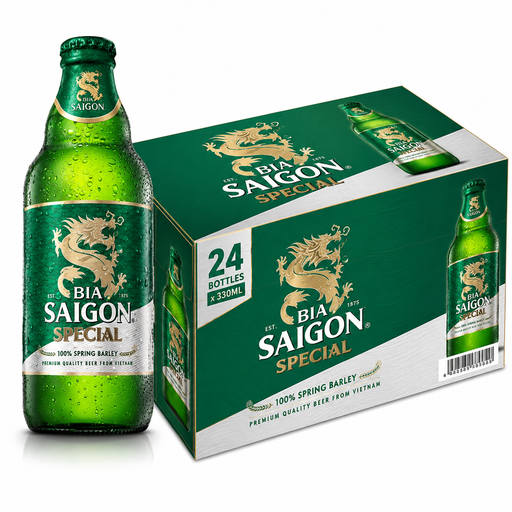
Why it suits this profile: This Vietnamese lager is available in packs of 24 330 ml bottles, making it suitable for larger dinners, hospitality venues, barbecues and gatherings.
The pack size is clear from the outset. The product information also states 4.9% alcohol and sulphites, which is important when making your selection.
24 × 330 ml; 4.9% ABV; brewed with malted barley according to the stated product information.
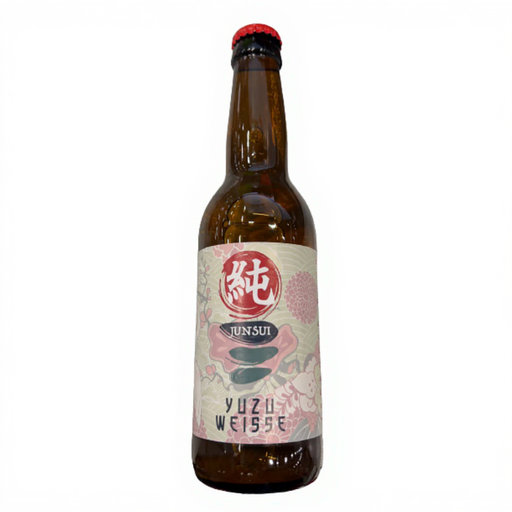
Why it suits this profile: The combination of wheat beer and yuzu is ideal if you want to try a fruitier profile alongside a classic Asian lager.
The product description clearly states the style, ingredients, 4.5% alcohol and citrusy yuzu profile.
330 ml; 4.5% ABV; wheat and malted barley; suitable for pairing with light Asian dishes according to the product description.
Chill lager before opening whenever possible. The product information for several varieties gives approximately 4–6°C as the serving temperature. Store beer in a cool, dry place, away from direct sunlight and significant temperature fluctuations. Check the seal or bottle before opening, and refer to the packaging for shelf-life information.
Beer is intended exclusively for adults aged 18 and over. Drink responsibly and do not drive or take part in traffic after consuming alcohol.
We have put together a complete, up-to-date list of products that fully meet these strict selection criteria and the applicable European safety regulations.
It depends on the dish. A refreshing Japanese lager such as Kirin Ichiban or Asahi Super Dry can pair well with sushi, noodles and rice dishes. The product information links Singha, LEO and Chang with spicy Thai dishes, grilled meat and seafood. With lighter dishes, you could also consider a yuzu weisse or another wheat beer.
Shelf life varies by product and batch. Always check the date on the bottle, can or box. Store the beer in a cool, dry place away from direct sunlight. Temperature fluctuations can affect product quality, especially if you are storing a 24-pack for an extended period.
A 24-pack can be practical and cost-effective for group use, but compare the price per litre and check the total volume. For a household that drinks little beer, a smaller quantity may be more suitable. Also consider bottle versus can, storage space and the best-before date.
